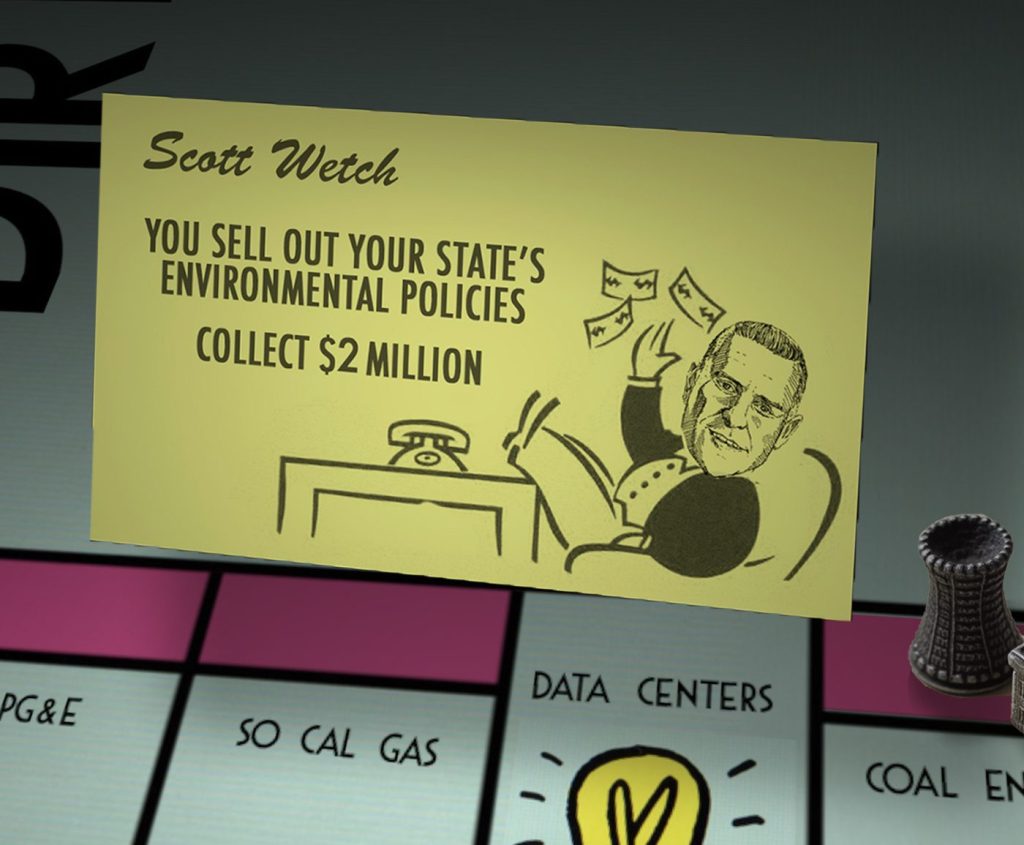

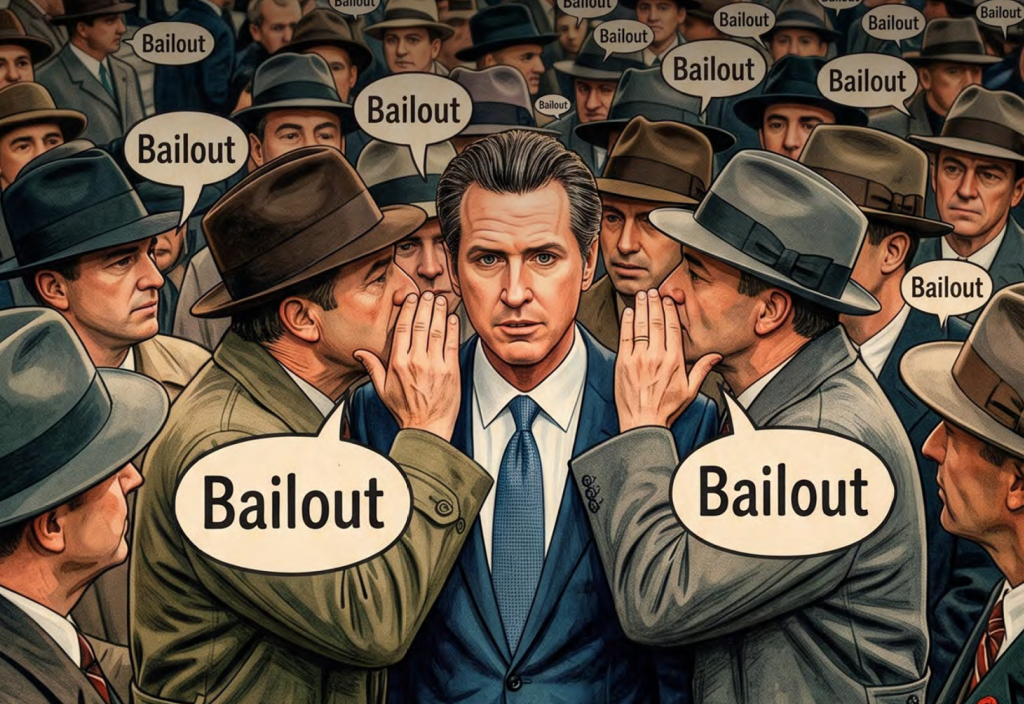
A new investigative report by Consumer Watchdog explains the sudden reversal by electric worker and corporate lobbyist Scott Wetch to support a controversial energy bill SB 540 (Becker), known as “Pathways,” which cedes control over California environmental laws to Trump.
“Once a vocal opponent of California entering a regional energy grid,...
After decades of consumer and media criticism of California’s failed bottle deposit return program, Governor Newsom and the California Legislature last year finally passed a substantive reform of the program.
They placed the ultimate responsibility for recycling onto grocery stores selling deposit beverages. Starting January 1, 2025, supermarkets, big...
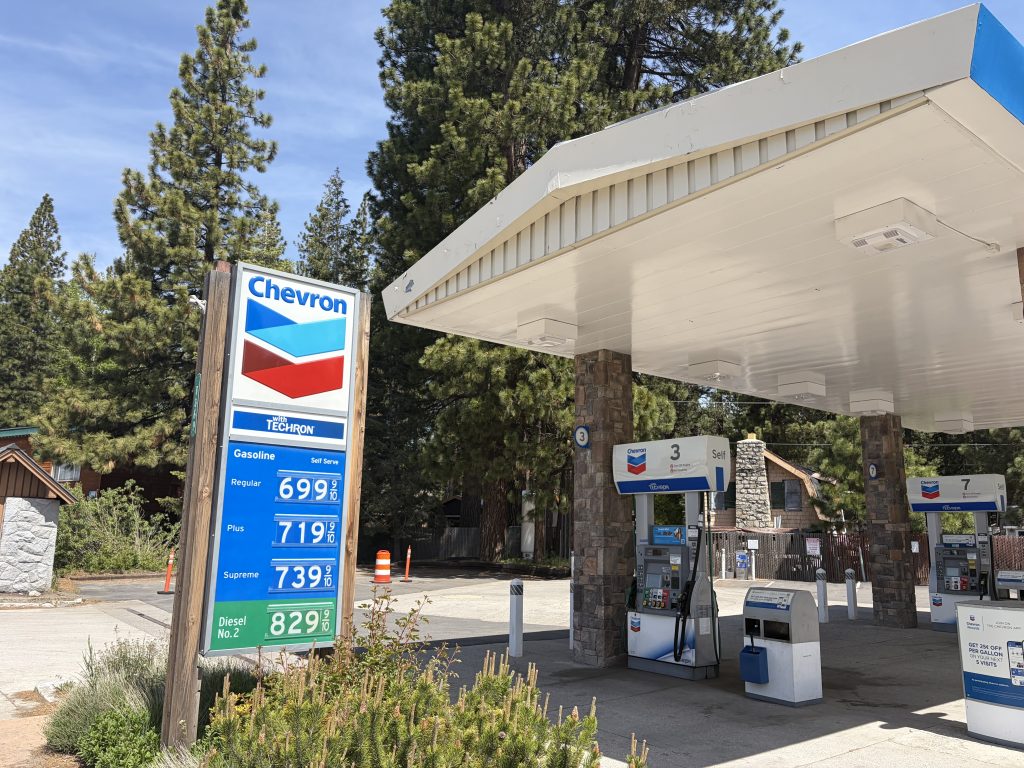
Pointing to windfall profits reported by California oil refiners to their investors, Consumer Watchdog issued a report showing that a windfall profits tax is needed to bring California gas prices under control and outlining how to structure the tax.
The report reviews the imposition of windfall taxes on the profits...
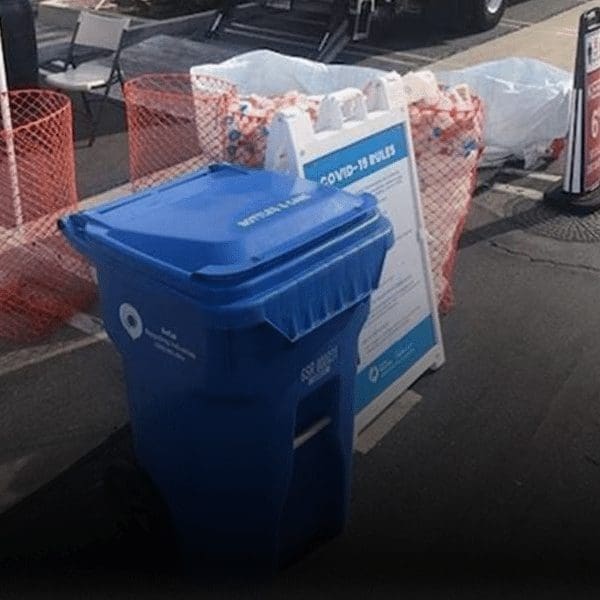
CalRecycle is banking on pilot programs around the state, including “mobile” return pilots, to make it easier for consumers to get California Redemption Value (CRV) refunds as the bottle deposit system crumbles. But a Consumer Watchdog investigation reveals the pilots are not convenient, financially sustainable, or remotely successful as...
The true cost to the public of California’s oil and gas production and combustion is estimated to reach $10 trillion by 2045, a new report released today by Consumer Watchdog finds. Californians will be paying more than $400 billion annually in public costs caused by fossil fuels between now and 2045 when the...
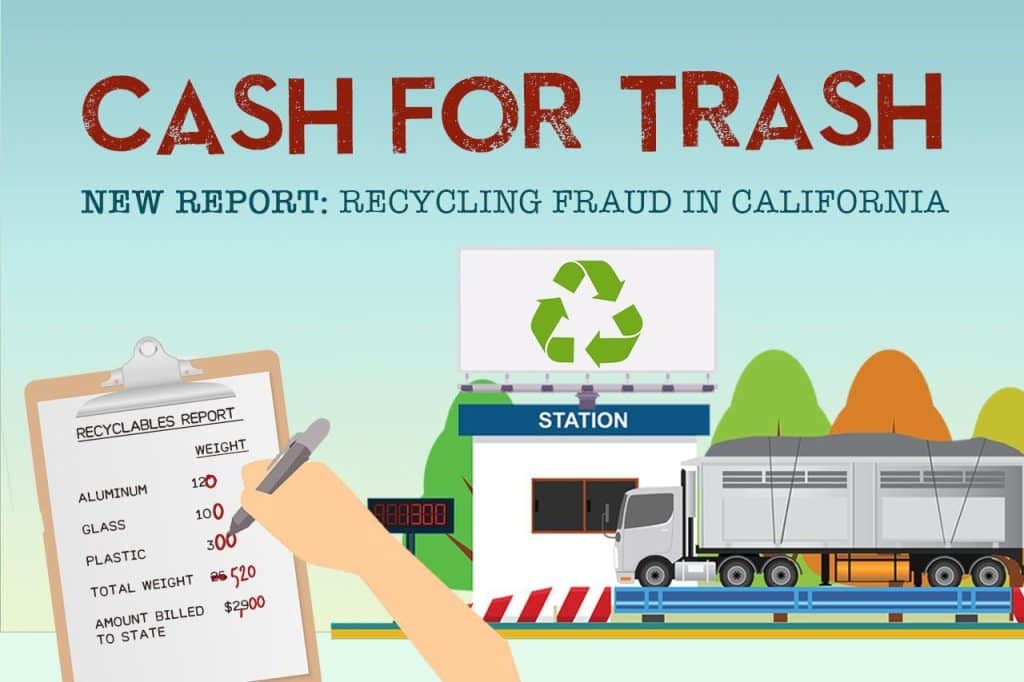
Recycling fraud is costing Californians hundreds of millions of dollars annually. This report explains the problem and how to fix it.
Read the report here.
This exposé explores the reasons for the failure of California’s bottle deposit system, which currently has a 57% redemption rate, and puts the blame on the waste hauling industry. The reports finds that waste haulers are responsible for increasing contamination of recyclables, have received unreasonable subsidies compared to disappearing redemption...
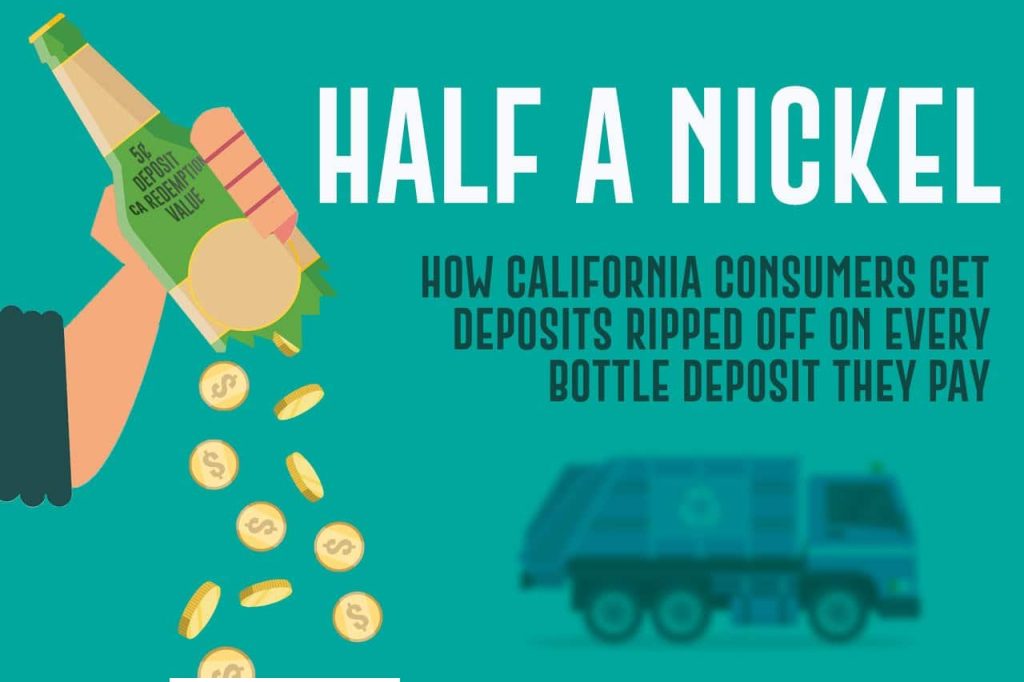
For every nickel bottle deposit that California consumers pay in the checkout line, they only get back 2.65 cents. A three-month investigation by Consumer Watchdog found the reason is a failing state recycling system that leaves consumers fewer options every year on where to redeem their empties while letting special interests—from grocery chains...
How a Western Energy Grid integration could create a Wild West casino for California's utilities and how ratepayers could foot the bill.
Read the report here.
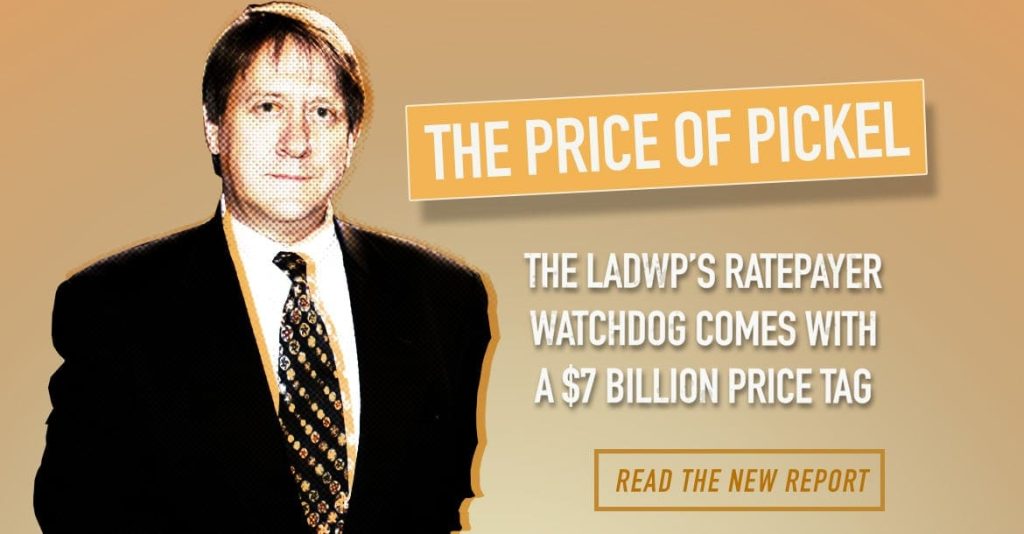
The Los Angeles Department of Water and Power (LADWP) is the largest, most powerful municipal utility in the country. For its first 110 years, the LADWP had virtually no independent voice to hold an opaque, mismanaged, and occasionally corrupt bureaucracy accountable. Voters finally revolted in 2011, approving a Charter...
This review fact-checks the perception of Jerry Brown as an environmentalist against his actions since taking office as Governor in 2011 to answer the question: “How Green Is Brown?” On a continuum of “Green” to “Murky” to “Dirty,” the review concludes that Brown’s environmental record is not green. The...
Governor Jerry Brown paints himself a foe of climate change. But an exhaustive review of company donations, publicly released emails and documents at http://www.PUCPapers.org, and media reports show that fossil fueland fossil fuel-reliant companies have supported Brown in close proximity to actions that he and his Administration have taken...
Consumer Watchdog analyzed data from the shipping market and state sources to study the impact of gasoline imports and exports on gas prices in California during the first nine months of 2015, when gas prices were consistently $1 higher in the state than the nationwide average and oil refiner...
Consumer Watchdog investigated the impact of the Keystone XL Pipeline on gasoline prices and consumers. is analysis by Judy Dugan and Tim Hamilton utilized industry data, public records and company documents to find that the overall economic benefit to U.S. consumers is in doubt, especially beyond the construction period....