By BLANCA BEGERT, POLITICO
With help from Wes Venteicher, Mike Lee, Timothy Cama and Alex Nieves
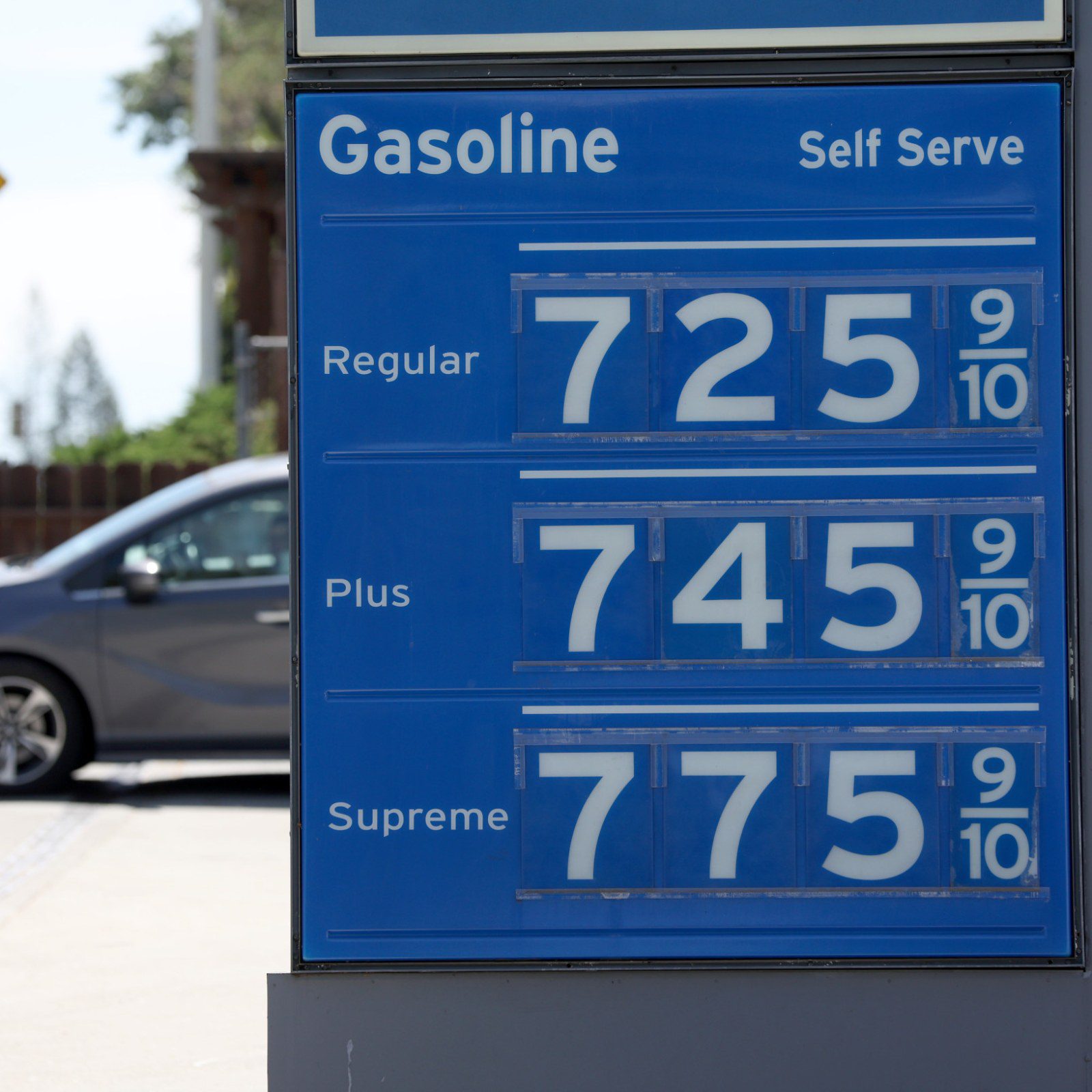
THE OTHER GAS PRICE DEBATE: Gov. Gavin Newsom is trying to rein in gas prices with one hand while pushing ahead with what could be a pretty expensive climate policy for drivers.
His administration last September (opens in new tab) estimated that its low-carbon fuel standard could raise gas prices by 47 cents per gallon starting next year. And while the California Air Resources Board has been quick to walk back the eye-watering figure, they haven’t put out a new cost for the regulations they’re scheduled to approve next month.
“I can’t tell you why they didn’t update the numbers, but I can speculate,” said Danny Cullenward, a climate economist who serves on a CARB advisory committee. “The obvious answer is because the numbers are scary.”
The LCFS, as it’s known, sets an average emissions threshold for all transportation fuels. Producers that go over the limit, like those who make gasoline and diesel, have to buy credits from those who make lower-carbon fuels, and the cost of compliance gets passed through to consumers. It’s been in place since 2009 and has inspired three states (Oregon, Washington and New Mexico) to follow suit.
As is customary and required when state agencies are getting ready to approve regulations, CARB last year used a simple equation (opens in new tab) (page 56) to estimate that amendments to lower the emissions threshold and raise credit prices could raise gas prices up to 47 cents per gallon next year and 52 cents in 2026.
They’ve lived to rue the day: The Western States Petroleum Association began running ads (opens in new tab) warning of a 372 percent increase in fuel costs associated with the program. Environmental justice groups called it a “regressive tax (opens in new tab)” on low-income drivers.
CARB withdrew the number (opens in new tab) in December, calling it “incomplete” and pointing out that the program would ultimately save drivers money by directing funding toward electric vehicles, hydrogen and other alternative fuels. Further justification came in August (opens in new tab), when they said their modeling was “not designed to predict the future.”
A California Energy Commission-run dashboard (opens in new tab) that uses refinery data shows the LCFS has increased gas prices by about 10 cents per gallon. But outside experts expect that number to increase with the new amendments.
Cullenward put out a report today (opens in new tab) using CARB’s formula to estimate that under the current proposal, gas prices could increase 65 cents per gallon in the near term and 85 cents per gallon by 2030. Colin Murphy, co-director of UC Davis’ Low Carbon Fuel Policy Research Initiative, thinks price increases in 2030 would most likely range from 22-44 cents but could go higher if credit prices return to their historical highs.
None of that is assuaging consumer advocates like Jamie Court, who can’t remember a time that CARB has failed to put out at least a semblance of an attempt at an accurate cost estimate.
Amendments that came out last week (opens in new tab) made some minor tweaks, including extending incentives for dairy biomethane gas and for fossil fuel-derived hydrogen, but nothing that would change the fundamental effects on gasoline prices.
“You can’t just say, ‘We were wrong,’ without having a good answer,” said Court, who usually backs climate policies but thinks this one would have too much of an impact on working class drivers (opens in new tab). “What we need to understand is how they got from 47 cents to not very much.”
CARB executive officer Steve Cliff said on a press call that they won’t put out a new estimate. And the political upshot has been muted, so far, as lawmakers have fixated on Newsom’s special-session proposal to dampen gas price spikes by requiring refineries to keep more supplies on hand when they go offline for maintenance. They quickly rejected a Republican bill to keep gas prices down by freezing the LCFS as-is (opens in new tab).
Environmental advocates oppose the program’s incentives for biofuels, which they argue can increase emissions by converting natural lands to crops, although some say a singular focus on gas prices is reductive, as the state can funnel the proceeds towards EVs for low-income drivers.
But whatever the program’s impacts, Newsom is giving CARB cover to implement one of its signature climate policies.
“That was in one report,” he said last month when asked about the 47-cent estimate. “There were subsequent reports … so I just want to be careful when that headline gets thrown out there.”
The new amendments are out for public comment through next week, with a vote scheduled for Nov. 8.
“I don’t think it’s any accident that the board scheduled the vote three days after the presidential election,” Cullenward said. “Literally nobody will be paying attention.”