By Curt Berry, INSIDE WASHINGTON PUBLISHERS
The California Energy Commission (CEC) is declining to implement a first-time cap on oil refiners’ profit margins and penalties on companies that exceed it, fearing the move could undercut Gov. Gavin Newsom’s (D) efforts to encourage more industry investment in crude oil production to avoid a transportation fuel supply “crisis” in the state.
“We believe there is an urgent need to take steps now to stabilize the legacy industry for a manageable transition. We are focusing on ways to maximize market-driven solutions at this moment,” said CEC Vice Chairman Siva Gunda during an Aug. 29 commission meeting.
At the meeting, the commission voted 3-0 to pass a resolution resolving to not adopt for at least the next five years a “maximum gross gasoline refining margin” (GGRM) and a penalty for refiners that exceed it.
The resolution also stipulates that if CEC adopts a GGRM and penalty before 2035, refiners could receive exemptions from the requirements if they can show they “made significant investments in gasoline producing units (e.g. fluid catalytic cracking, hydrocracker, naphtha, etc.) at a California refinery between January 1, 2026 and December 31, 2030”; or if they can show “other factors that the CEC would ordinarily consider in determining whether there is good cause for an exemption.”
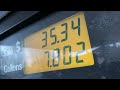
The GGRM option emerged from a two-year-old initiative by Newsom and lawmakers to prevent soaring gasoline prices in California. Newsom during that time frequently asserted that the industry “gouges” consumers at the pump with enormous profit margins when certain circumstances allow.
Special-session legislation in 2023 created a new Division of Petroleum Market Oversight (DPMO) within CEC as an independent watchdog agency overseeing the oil and gasoline industry. The DPMO is responsible for oversight, investigations, economic analysis, and policy recommendations regarding the transportation fuels market, according to CEC.
But earlier this year, Newsom directed state energy officials to devise a multi-pronged strategy to avoid a transportation fuel supply crisis, after two oil refineries announced they will shutter by mid-2026. CEC presented the strategy to Newsom on June 27.
The strategy’s two main goals are bolstering more imports of crude oil and refined fuel, and maintaining a certain level of in-state crude oil production. To stabilize supplies through more imports of refined fuels and maintain in-state refining capacity, the report recommends officials address “regulatory and permitting issues that limit import capacity,” and provide “sufficient confidence to industry to invest in maintaining reliable and safe infrastructure operations to meet demand.”
Actions should include implementing “near-term statutory and regulatory changes that improve investment confidence while advancing state policy goals,” the report states.
‘Discourages Future Investment’
Gunda and other CEC members argued at the Aug. 29 meeting that implementing a GGRM and penalties on refiners now would severely undercut the strategy to increase supplies, primarily by gutting industry confidence to invest in their California facilities.
“We heard from the industry over the last several years that the uncertainty of the level of the maximum margin, or the timing of imposition . . . creates uncertainty in financial analysis. And that lack of clarity discourages future investment,” Gunda said.
“At the same time, we must double-down — it’s really important — on investment in a cleaner energy future and a commitment to protecting public health, consumers, workers,” he added, citing the state’s lofty greenhouse gas and climate goals.
Gunda and CEC officials also said the DPMO has not yet found the industry is inappropriately “manipulating” the market.
Numerous labor union representatives during the meeting supported the resolution, arguing it will help maintain good jobs in the refining sector and spur new investments to bolster fuel supplies.
But some environmentalists and consumer advocates criticized CEC members for declining to impose the GGRM and penalties, contending it will all but ensure future fuel price spikes and exorbitant industry profits.
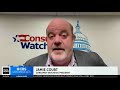
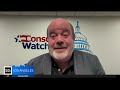
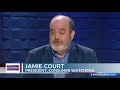
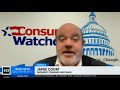
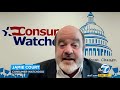
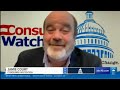
“I’m thoroughly troubled and disgusted that we would consider a five-year freeze on this penalty,” said Jamie Court, president of Consumer Watchdog. “And it’s not that you didn’t come out with the penalty. It’s the fact that you didn’t even begin deliberations on a penalty.”
Further, “I understand your need for investor confidence, but it has been proven by the DPMO and the CEC that companies price-gouged,” Court added. “They profited excessively. The DPMO has even said that we think — because of the consolidated market — the price gouging penalty would help. And by putting this on freeze for five years you are giving the refiners the opportunity to make enormous profits and not be penalized for it.”
Julia May, a senior scientist with Communities for a Better Environment, argued that declining to implement the GGRM and penalties, while also encouraging more oil production in the state, will only exacerbate pollution in disadvantaged communities while providing the industry with continued opportunities to price-gouge.