
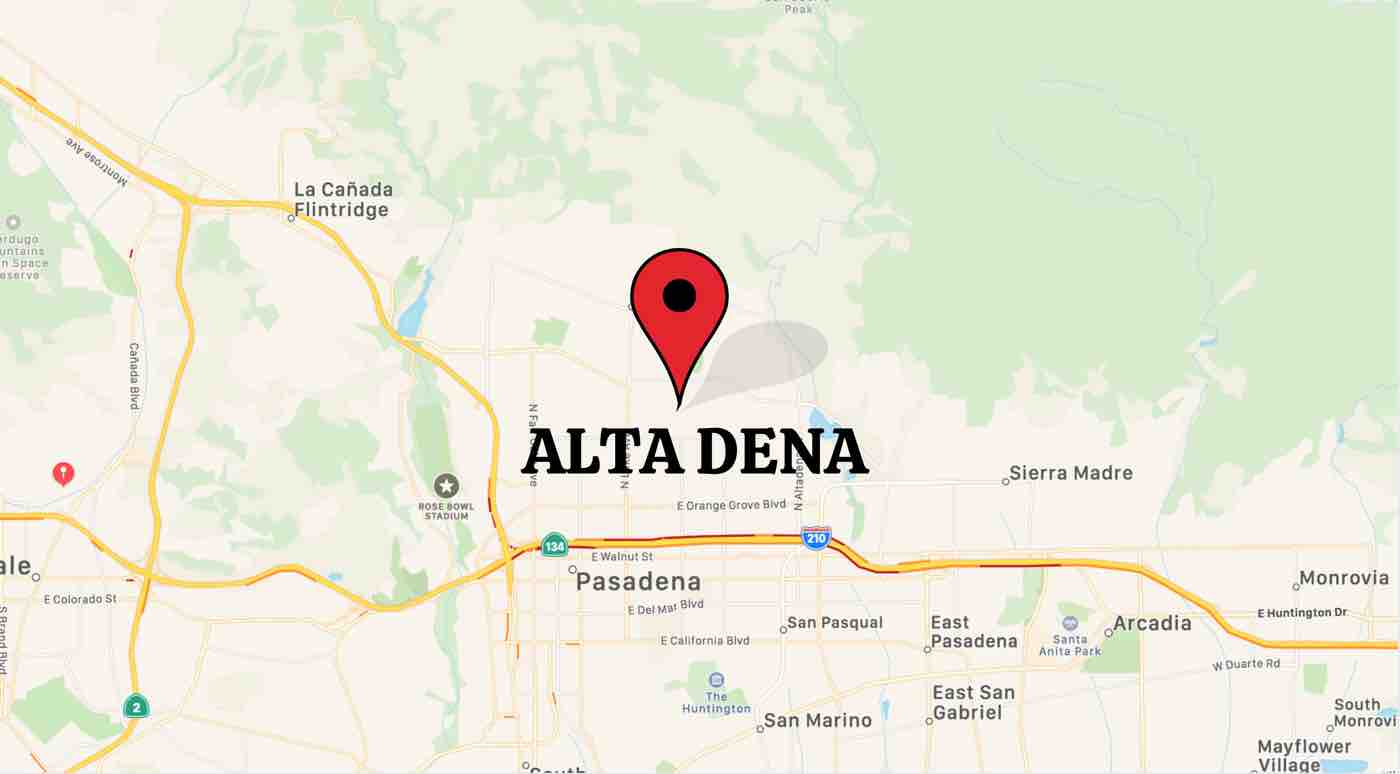
By the time the flames stopped crawling across the foothills of Altadena, the homes across the street from Kelsey Szamet were reduced to ashes. Hers was still standing, but inside, it reeked of smoke. The basement was blanketed in ash. The garage was contaminated. The attic HVAC system covered in soot. And yet, State Farm, her insurance company, never actually set foot in her home.
“Our assigned adjuster has never, actually set foot in our house,” said Szamet. “She came into our front yard at one point—this was our first adjuster—and we asked, ‘Do you wanna come in?’ And she said no.”
What followed for Szamet, a complex litigator by profession, was not just the exhausting aftermath of surviving a wildfire, but the maddening task of getting her insurance company to acknowledge the damage and pay what she was owed. Now on her third adjuster, she’s come to view the process not as an effort to help policyholders recover, but as a system designed to wear them down.
The smoke damage in Szamet’s home was far from superficial. After commissioning an industrial hygiene report herself at an out-of-pocket cost of almost $11,000, the results showed, “very high levels of lead”—over 100 micrograms per square foot in many rooms, compared to the EPA’s standard of 5. Arsenic and chromium also showed up in the results, said Szamet.
State Farm, however, never conducted its own testing.
“They never once offered to send anyone in to test,” Szamet said. “When we told them we were going to test independently, they said they might reimburse for the lead only. Might.”
Instead, State Farm eventually sent a contracted vendor, a young Servpro representative who spent 10 to 15 minutes in her home, according to Szamet. He didn’t enter the basement, the garage, or the attic. Nonetheless, the photographs he took were used to shape State Farm’s estimate of the damage, one that Szamet says bore little resemblance to reality.
Then Szamet said it took several weeks for State Farm to receive Servpro’s report, and when they did, they refused to give it to her.
“I’m entitled to my claim file and any documents in my claim file,” said Szamet. “They’re refusing to provide Servpro’s report, and they’re saying that it’s State Farm’s work product,” meaning it’s company information that they don’t have to disclose.
Eventually, without ever seeing the Servpro findings, Szamet received a check from State Farm for $39,000, the amount they claimed it would cost to clean her home.
But the scope of cleaning State Farm offered was, in her words, “ridiculous.” A basic HEPA vacuuming, wipe-downs, and laundering soft goods.
“What Servpro is recommending is not going to make your house safe,” saud Szamet.
The remediation company she hired provided a very different picture. The bid included removing baseboards where ash and lead had accumulated, potentially refinishing or replacing hardwood floors, repainting all walls with lead-sealing primer, and more.
“It’s apples and oranges,” said Szamet. “They just don’t care.”
“They want people back as soon as possible and as quickly and cheaply as possible for them so that they can stop the bleeding on standing homes and stop the bleeding on the ALE payments,” said Szamet.
“And sadly, there are a lot of consumers that either don’t have the will to continue to fight or simply don’t know that it’s a strategy that preys on the exhausted and uninformed.”
Szamet isn’t just navigating this for herself. She’s now working with the law firm Singleton Schreiber to represent other Eaton Fire victims in litigation against Southern California Edison, and she gives out informal advice regularly to fellow survivors.
Her first tip? “Document everything.” Every call, every email, every promise.
“You have to document every email, every phone call because they are not documenting it,” said Szamet.
Second, she urges people to take control. Don’t let insurance companies steamroll you.
“You have to you have to go out and get bids on your own. You have to do the legwork, and you have to go out. You have to get your own remediation bid, your own construction bid, your own painting bid, your own hardwood refinishing bid,” said Szamet.
After all the hours spent on hold, waiting for callbacks that never came, chasing down documents, paying out of pocket for testing and assessments, you basically have to do State Farm’s job.
And despite her professional background, one that arms her with legal expertise and the stamina to fight, even she’s felt overwhelmed.
“It’s freaking time consuming. It’s a full-time job.”