By Andrew Graham, SACRAMENTO BEE
Ride-hailing company Uber found a new front in its campaign to reduce its liability to lawsuits. Last month, California U.S. Rep. Vince Fong, R-Bakersfield, introduced a controversial amendment into a key funding bill for the nation’s highways and public transit infrastructure to sharply limit ride-hailing companies’ responsibility for damages caused by their drivers.
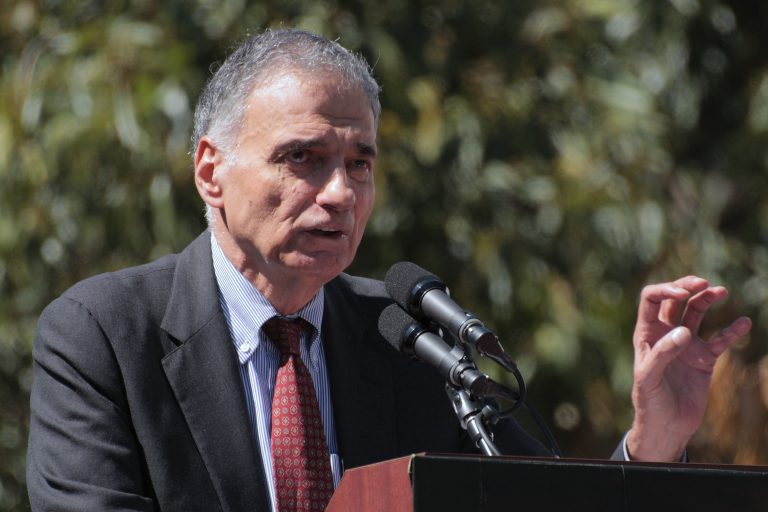
Fong’s amendment, added in a late-night May 22 committee hearing, has drawn fiery opposition from corporate accountability advocacy groups, including famed consumer attorney and former presidential candidate Ralph Nader. In a public letter to Uber’s CEO last week, the now 92-year-old reformer accused Uber of pushing efforts in California and federally to undermine the principles of corporate accountability behind safety improvements ranging from seatbelts and airbags to product liability laws.
“Your company is moving in the opposite direction,” Nader wrote. Uber’s efforts, which include a ballot measure in California designed to limit attorney fees and shape how medical claims are addressed in car accidents cases, “are not technical adjustments to litigation rules,” he wrote. “They represent a fundamental attempt to undermine the rights of injured people and reduce corporate responsibility at the very moment rising autonomous systems are being tested on public roads at scale.”
A spokesperson for Uber did not respond to a request for comment Monday.
Advocacy groups like California’s Consumer Watchdog have accused Uber of trying to weaken regulatory and civil justice protections as it advances a self-driving car initiative comparable to Waymo’s business. Trial attorneys are waging their own high-dollar political fight to defeat Uber’s ballot measure and open ride-share companies up to increased liability in cases of sexual assault by drivers.
Fong’s amendment would excuse companies from liability for damages to people or property by their drivers, except in cases where the company is grossly negligent or guilty of criminal wrongdoing.
When presenting his amendment to the U.S. House Transportation and Infrastructure Committee, Fong described it as an affordability measure, saying frivolous lawsuits are driving up fares for riders.
“These companies are being increasingly targeted by lawsuits seeking massive payouts even when the company itself is not alleged to have done anything wrong,” Fong said. “Even meritless lawsuits are extraordinarily expensive to defend.”
A spokesperson for Fong told The Sacramento Bee the amendment did not prevent states from passing laws requiring enhanced background checks or otherwise increasing driver qualifications for ride-hailing companies. The office did not make Fong available for an interview.
The stakes for Uber
From courtrooms to statehouses to the U.S. Capitol, Uber has been locked in a pitched battle with trial attorneys. The stakes for the company are significant. Changes to liability laws in Georgia and California that Uber successfully advocated for in 2025 will save the company hundreds of millions of dollars a year, the publicly traded company reported in recent filings to the U.S. Securities and Exchange Commission.
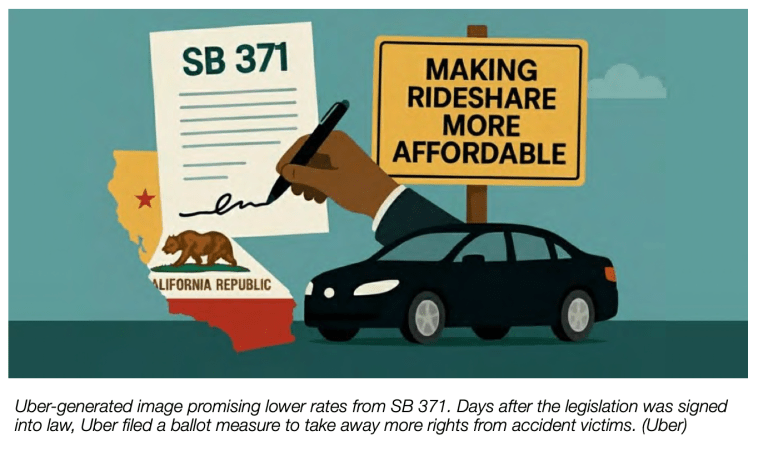
Uber valued insurance reform highly enough to award big bonuses to executives who helmed those efforts. This year, Uber has put up $70 million so far on the California ballot measure campaign to cap attorney fees in car crash cases, and is likely to spend far more as campaigning heats up. Trial attorneys and unaffiliated legal scholars say if passed, such a cap would dissuade attorneys from taking lawsuits on a contingency fee basis, leaving Californians hurt in car crashes shut out of courthouses if they can’t afford to pay an attorney expensive fees up front.
Uber faces the potential of significant new liability through sexual assault and harassment cases.
In April, ballot campaigners from the anti-Uber group Alliance Against Corporate Abuse, which is funded by trial attorneys, announced they had gathered enough signatures to advance a petition that would increase the company’s liability in such cases in California. The measure would also require Uber to put in place new safeguards and increase scrutiny of its drivers. The company faces a wave of such lawsuits already. And while in California advocates and attorneys turned to the voters, in other states policymakers put the company under a microscope after The New York Times reported company executives were aware of the prevalence of harassment and assault allegations against Uber drivers but were slow to implement safeguards.
Fong’s amendment, if it survives to the final bill, would undo much of the ballot measure if California voters pass it, advocates for the measure said. The amendment’s wording would allow the company’s lawyers to knock down even ongoing sexual assault lawsuits in court, Alliance Against Corporate Abuse spokesperson Alex Stack said in a news release after its passage.
“Fong is asking Congress to put Uber above the law — and to take the courthouse keys away from assault survivors who have already filed their cases,” Stack said in the release.
Fong placed his amendment into a bill that funds highways, bridge repairs, public transit and a vast range of other infrastructure projects for the nation’s transportation network across the next five years. The bill, this year dubbed the BUILD America 250 Act, is a must-pass appropriation measure. Lawmakers hitch a wide variety of non-budgetary policy proposals to such legislation, which provide a vehicle for measures that might struggle to stand on their own.
The transportation bill has not yet reached the House floor. Opponents hope to persuade lawmakers to strip Fong’s amendment out of the legislation. But they say the rules governing floor debate on such funding bills are restrictive. Women lawmakers and sexual assault victim advocacy organizations are frustrated by the amendment, Linda Lipsen, the CEO of American Association for Justice, an advocacy group opposing it, told The Bee.
“They want to cry to Congress and cry to the California voters to get protected when the priority should be on the passengers,” Lipsen said of Uber. “It would sure be nice if the companies would roll up their sleeves and work to try to make sure that they’ve got the safest drivers possible on the road.”