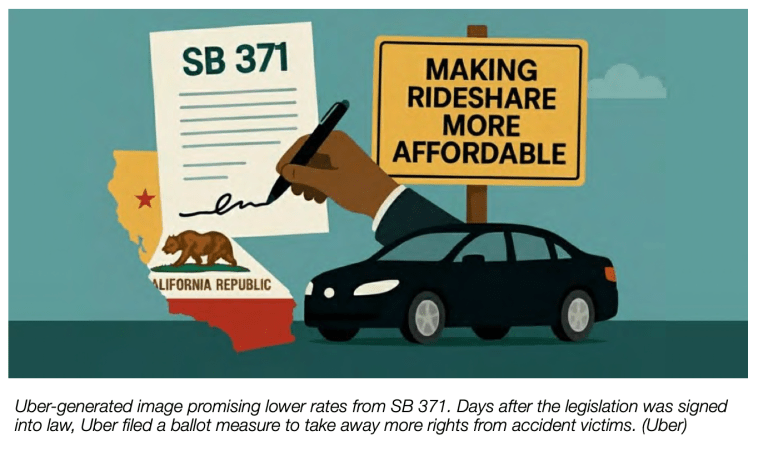
A Consumer Watchdog report, an Oxford study and a Columbia Business School analysis ask some important questions of the rideshare company’s claims
By Matthew Sellers, INSURANCE BUSINESS
Uber’s public position on its pricing is well-rehearsed. Insurance costs are high and rising. State mandates are onerous. In California, 31% of the average rider fare goes to insurance. In New Jersey, UM/UIM coverage requirements are 50 times what private vehicle owners face. The company is not gouging drivers or riders – it is passing through genuine, government-mandated costs.
There are now three independent research efforts saying this picture is incomplete.
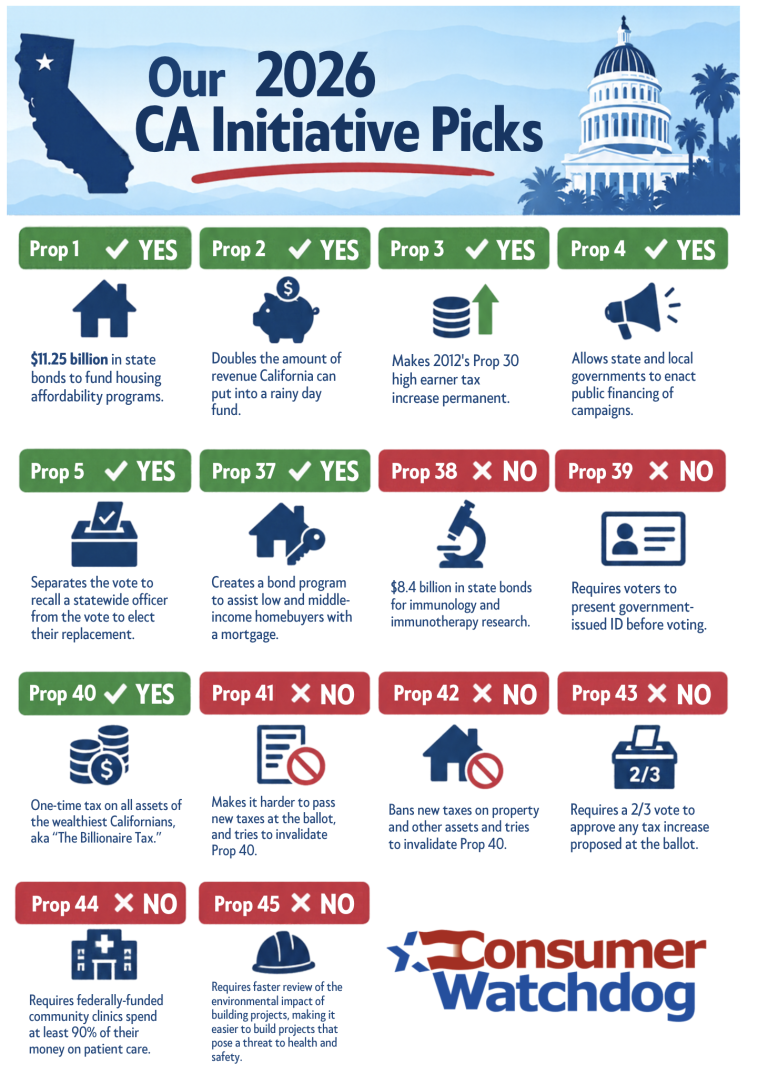
The first is a May 2026 report from Consumer Watchdog, the US activist group, which found that Uber’s self-insurance reserves grew from $6.7 billion in its 2023 annual report to $12.5 billion in its 2025 annual report – $5.8 billion in additional reserves over two years. Over the same period, approximately $4.1 billion was moved from those reserves to unrestricted cash on Uber’s balance sheet. As Insurance Business reported when the Consumer Watchdog findings landed, Consumer Watchdog also found that Uber tied executive compensation to passage of SB 371 and other insurance reform efforts in 2025 – the same legislation that, if successful, would reduce Uber’s mandated coverage and allow further reserve releases.
The second is a Columbia Business School analysis by adjunct professor Len Sherman, published in June 2026, which examined decade-long trip histories from three veteran US drivers with 50,000 combined rides. Uber’s average take rate in many US cities has now passed 50%, Sherman found. One Texas driver saw his take rate rise from 15% in Uber’s early years to above 50% this year. Over that same period, Uber’s free cash flow grew by nearly $10 billion and its stock price increased as much as fivefold.
The third is a peer-reviewed Oxford University study analysing 1.5 million trips from 258 UK drivers, published at the ACM Conference on Fairness, Accountability and Transparency in June 2025, which found that Uber’s median take rate increased from 25% to 29% following the introduction of dynamic pricing, with some trips yielding Uber above 50%.
The variance that insurance costs can’t explain
Sherman’s most specific finding concerns 100 near-identical trips by a single driver on the same route – a Tesla Model Y, Ithaca to Syracuse Airport, approximately 60 miles, same driver, same vehicle, same service type. Uber’s reported “estimated commercial auto insurance and operational expenses” on those trips varied from $13.75 to $50.00.
He ran a regression. Day of week, time of day and service type were statistically insignificant. What predicted the variance: the rider price and the driver pay. A $10 above-average rider fare was associated with $3.00 higher reported insurance and operating expenses. A $10 below-average driver payment was associated with $4.30 higher reported insurance and operating expenses. On trips where both applied simultaneously, the reported costs were higher still.
There is no actuarial basis on which commercial insurance costs should behave this way. The risk profile of those 100 trips was as close to identical as real-world data permits. Yet the insurance line varied by more than 3.6 to 1.
Insurance Business has reported extensively on Uber’s insurance reform campaign, including the company’s lawsuit against a network of law firms and clinics it alleges staged accidents to exploit New York’s no-fault insurance policies. Uber’s concerns about litigation financing and fraudulent claims are well documented and not implausible. The New York taxi insurance market has its own structural problems – American Transit Insurance Company reported approximately $700 million in net losses in 2024.
But there is a difference between insurance costs being genuinely high and insurance fees on individual trip receipts being correlated with fare levels rather than risk levels. As Insurance Business reported on the New York rideshare insurance picture, state regulators declined Uber’s proposal to allow supplementary policies from non-state-licensed carriers – a decision that reflects the level of scrutiny regulators are already applying to the company’s insurance arrangements.
The gig economy workers’ compensation question
As Insurance Business has reported on gig work and workers’ compensation, the classification of drivers as independent contractors rather than employees has significant coverage implications. California’s Proposition 22 framework, backed by Uber, provides some benefits but is not equivalent to workers’ compensation. The broader challenge – that workers’ compensation was designed for stable employers and predictable jobs, not platforms that vary pay trip-by-trip using undisclosed algorithms – sits alongside the pricing question.
The Oxford study found that 93 of 114 UK drivers tracked across the year before and after dynamic pricing were earning less per hour. Standby time – logged on waiting, without pay – has risen significantly. The dynamic pricing system, the researchers found, has made pay unpredictable in a structural way: models trained on pre-2023 trip data cannot predict 2023-24 earnings, because the underlying relationship between trip characteristics and driver pay has been severed.
What Uber says
When Sherman’s report was published, Uber said it “relies on a few individual stories to make sweeping claims about Uber’s business nationally,” cited a Q3 2025 take rate of approximately 21% after insurance and third-party costs, and said median US driver earnings per utilized hour exceeded $30 including tips.
None of that addresses the variance in insurance fees on identical routes. Nor does it explain why reserves have grown from $6.7 billion to $12.5 billion over two years while the company simultaneously argues that insurance costs are rising and being passed through to riders. Consumer Watchdog’s characterisation was direct: “Uber’s corporate strategy is clear: limit liability, over-reserve, and re-invest the savings in robocars.”
Uber denies that characterisation. What it has not provided is a trip-level explanation of how its reported commercial insurance and operating expenses are calculated – the information that would allow Sherman’s regression finding to be tested or refuted. That transparency, as the Oxford researchers noted, is precisely what Uber’s current system withholds.