By Hollie Silverman, NEWSWEEK
https://www.newsweek.com/justice-alito-recuses-himself-from-supreme-court-climate-lawsuit-12497931
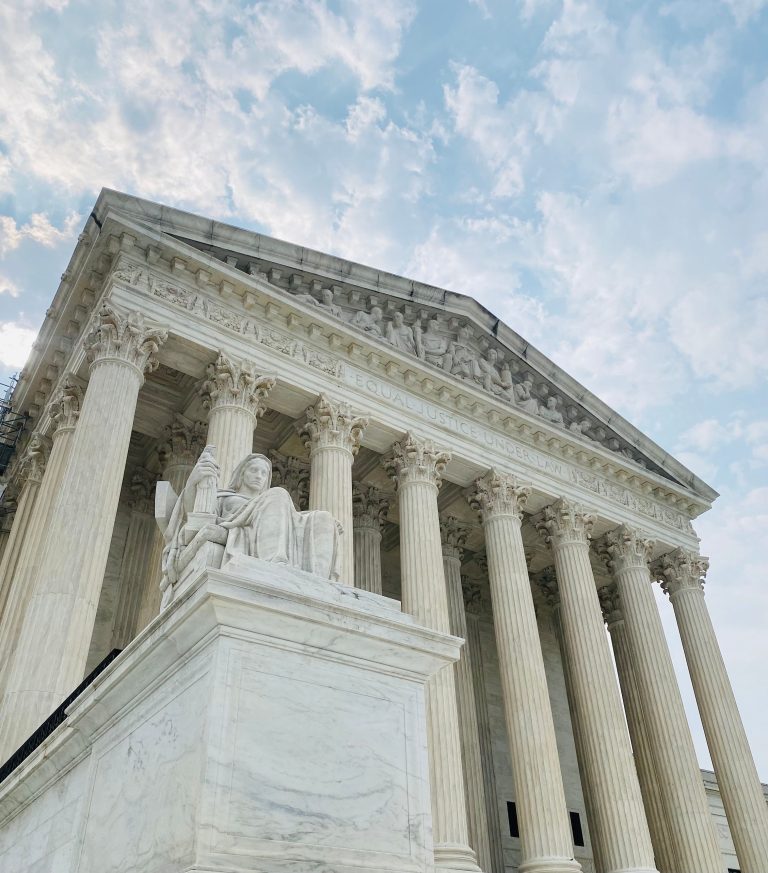
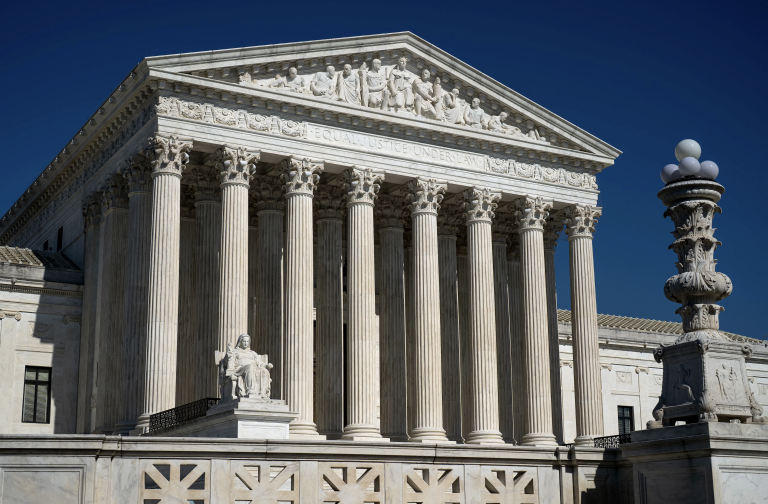
U.S. Supreme Court Justice Samuel Alito has recused himself from a major climate-change case scheduled for argument next week, a reversal from the court’s earlier position that there was no reason for him to step aside.
Alito will no longer participate in Suncor Energy v. County Commissioners of Boulder County, a closely watched dispute that could affect dozens of lawsuits seeking to hold oil and gas companies financially accountable for climate-related damages.
The move is a “major U-turn” NBC reported, adding that the court previously told the outlet that Alito did not need to recuse himself despite an earlier recusal in related proceedings.
Newsweek reached out to the Supreme Court by email for comment on Monday.
The case is considered one of the most significant climate-related disputes to reach the Supreme Court in years because it could determine whether state and local governments can pursue climate-damages lawsuits against fossil fuel companies in state courts.
More than two dozen states, cities and local governments have filed similar lawsuits seeking compensation for the costs of addressing climate change, Reuters reported. Oil companies have argued that such claims are preempted by federal law and should not proceed under state legal theories.
The case has also become a flashpoint in the debate over Supreme Court ethics.
Environmental groups and watchdog organizations have questioned whether Alito should participate because of financial interests and other connections involving the energy sector.
With Alito stepping aside, eight justices are expected to hear arguments, raising the possibility of a 4-4 split that would leave the lower court’s ruling in place.
Suncor Energy v. County Commissioners of Boulder County arose from a lawsuit filed by Boulder County, the City of Boulder and San Miguel County, Colorado, against major energy companies including ExxonMobil and Suncor Energy.
According to Boulder County, the local governments are seeking compensation for damages linked to climate change, including costs associated with floods, droughts, wildfires and other extreme weather events.
The plaintiffs argue that fossil fuel companies knew for decades about the climate risks associated with their products while misleading the public about those dangers.
Boulder County has emphasized that it is not seeking to regulate emissions or dictate national energy policy. Instead, it argues that the case involves traditional state-law claims seeking damages for local harms.
Reuters reported that the oil companies contend climate change is a global issue governed by federal law, not state tort law. The companies argue that federal authority over interstate emissions and energy policy preempts the claims brought by Colorado’s local governments.
As SCOTUSblog noted, the Supreme Court is not being asked to decide whether fossil fuel companies caused climate change. Instead, the justices will consider whether federal law overrides the plaintiffs’ state-law claims, a ruling that could shape the future of numerous climate-liability lawsuits across the country.
Alito’s recusal follows months of criticism from ethics watchdogs and climate advocacy groups.
According to Reuters, Alito recused himself from an earlier stage of the same litigation because one of the companies involved, ConocoPhillips, was among the individual parties before the court and he owned stock in the company.
When the Supreme Court later agreed to hear the broader appeal, the court said Alito had no financial interest in any of the parties before it and therefore could participate, the report said.
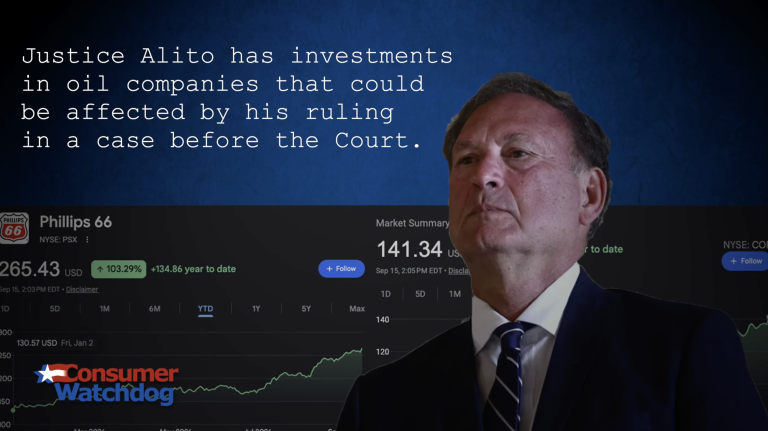
The Center for Climate Integrity and Consumer Watchdog recently renewed calls for Alito to step aside, arguing that his financial holdings and other ties created at least the appearance of a conflict of interest. The groups pointed to investments in oil companies and contended that the Supreme Court’s decision could affect the broader industry’s legal exposure.
Environmental advocates had publicly questioned why Alito planned to participate in the case after previously recusing himself from related proceedings.
The Center for Climate Integrity, citing an analysis by Consumer Watchdog, argued that Alito had financial and ethical conflicts related to the case because he owned stock in oil companies including ConocoPhillips and Phillips 66, which could be affected by climate-liability litigation.
The groups contended that those holdings, combined with his prior recusal in related proceedings, created at least the appearance of a conflict of interest and warranted his withdrawal from the case. They urged the justice to step aside to avoid undermining public confidence in the court’s impartiality, according to the Center for Climate Integrity.
Contact Newsweek editors on this story: Gabe Whisnant and Dave Siminoff.