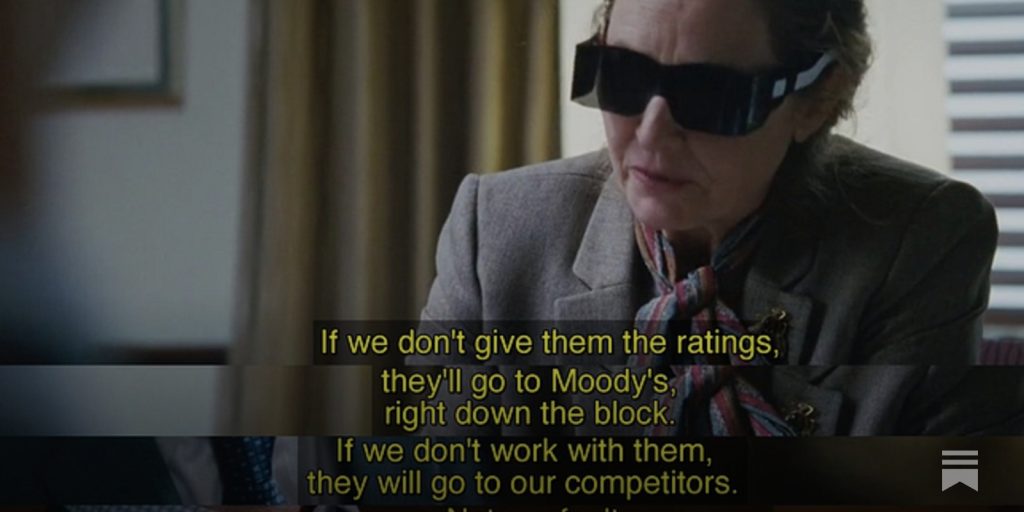
“If we don’t give them the ratings, they’ll go to Moody’s, right down the block.”
- To
- California Legislators
- From
- Jamie Court, Consumer Watchdog
- Re
- Don’t Be Fooled Again
- Date
- September 18, 2026
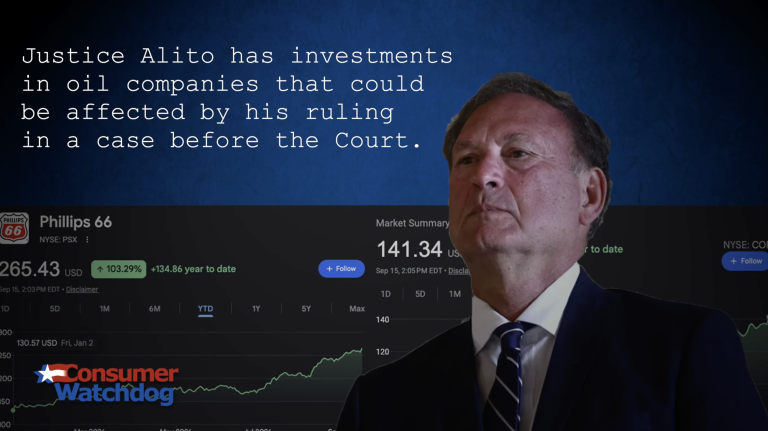
Some of Wall Street’s largest owners — Black Rock, State Street, Vanguard, and Fidelity – are also among the biggest shareholders in California’s three investor-owned utilities.
The pressure giant shareholders can exert on ratings agencies to influence ratings was documented during the financial crisis and the utility blackout blackmail that occurred in 2001 when ratings agencies downgraded the utilities to pressure a legislative bailout in Sacramento. That bailout was prevented by Senator Pro Tem John Burton.
Now the ratings agencies are at it again. Fitch has warned of a downgrade to Edison’s parent company absent relief from Sacramento.
California utility credit-rating warnings are another manifestation of the same structural conflict — where utilities, Wall Street investors and rating agencies have mutually reinforcing financial interests in protecting shareholder capital from wildfire liability.
Don’t be fooled.
Wall Street and utilities have long mustered their collective power to try to scare lawmakers into getting what they want.
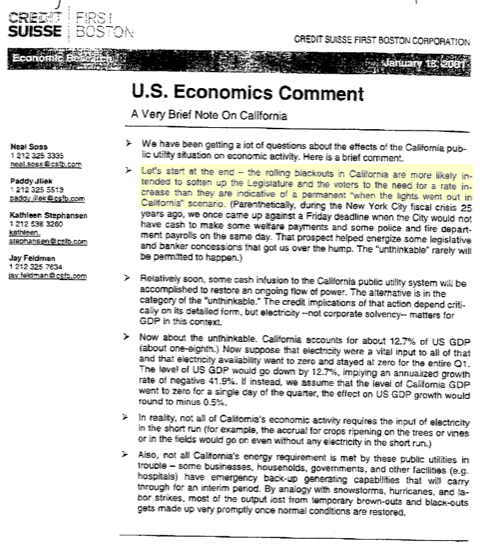
Take this Credit Suisse memo during the bailout debated in 2001 referenced in this LA Times article from January 25, 2001:
The same Wall Street firm that is advising Assembly Speaker Bob Hertzberg on solutions to the energy crisis stated on its Web site that the blackouts plaguing California are a tactic “likely intended to soften up the Legislature and the voters to the need for a rate increase.”
Economists for Credit Suisse First Boston Corp., which has provided two financial experts to assist Hertzberg (D-Sherman Oaks) in drafting crisis legislation, stated in a recent commentary that the blackouts represent a threat of “the unthinkable” that politicians will almost always move to avoid.
They likened California’s electricity woes to a moment in New York City’s financial crisis a quarter of a century ago when the city could not make some welfare payments and meet police and fire payrolls.
“That prospect helped energize some legislative and banker concessions that got us over the hump,” the commentary states. “The unthinkable rarely will be permitted to happen.”
Don’t be fooled. Don’t be cowed.
Ratepayers have already paid for utility infrastructure in general rate cases with a 10% markup on the utilities’ costs. Utilities are obligated to deliver that infrastructure, irrespective of their credit ratings, which are, if history repeats, not likely in any danger.