Court ruling recognizes displacement and choosing between rent and basic necessities can constitute irreparable harm to consumers.
Seven California consumer, housing, and legal aid organizations today urged the California Court of Appeal to publish a recent decision affirming important protections for low-income tenants facing unlawful rent increases.
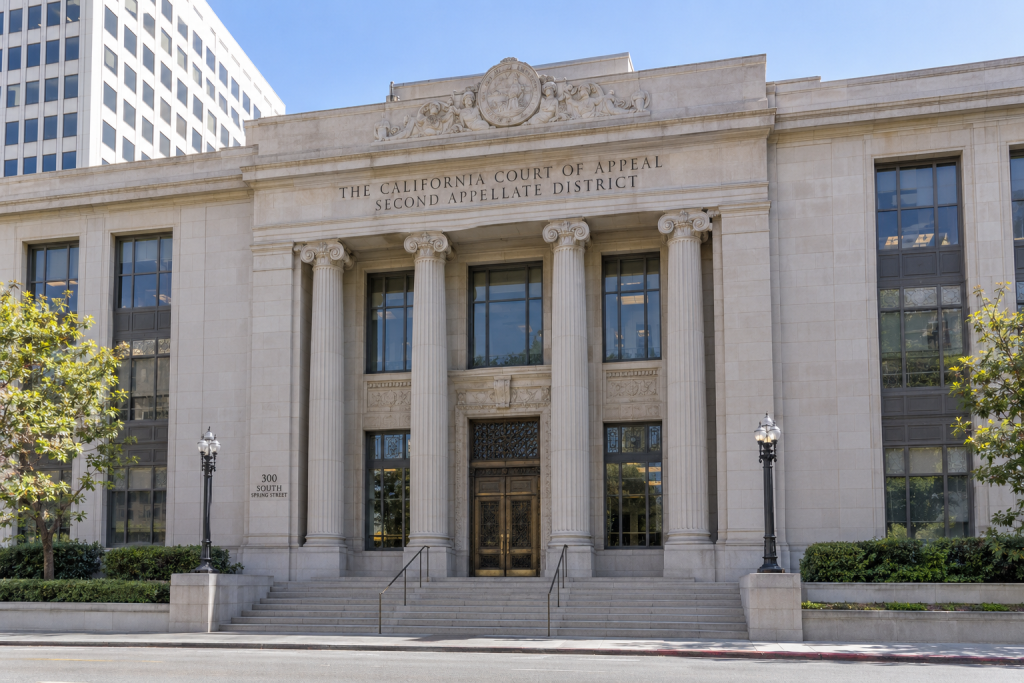
Consumer Watchdog, Haven Services, Inc., Legal Assistance for Seniors, Mental Health Advocacy Services, Public Law Center, Public Interest Law Project, and Western Center on Law and Poverty joined the Center for Consumer Law & Economic Justice at UC Berkeley School of Law in a joint request asking the Second District Court of Appeal to publish its August 26 decision in Castelan v. 716 Yale Terrace, L.P.
The decision addresses a fundamental reality for low-income Californians: an unlawful rent increase can cause harm that cannot simply be repaired with a damages award years later. The Court recognized that the threat of displacement from one’s community—or being forced to choose between rent and necessities such as food and healthcare—can constitute irreparable harm supporting an injunction.
“An unlawful rent increase can mean the difference between keeping a roof over your head and losing your home,” said Will Pletcher, Litigation Director for Consumer Watchdog. “For families living on tight budgets, telling them they can sue for money years later is no answer to being displaced today. This decision recognizes that economic reality, and California courts should be able to rely on it.”
Rent Overcharges Can Cause Harm That Money Cannot Fix
The publication request also emphasizes the importance of the Court’s treatment of irreparable harm.
Almost half of California renters are cost-burdened by their monthly rent payments, according to data cited in the filing. Among households earning less than $75,000 annually, that figure rises to 83 percent. For these households, an unlawful rent increase can force an immediate choice among rent, food, transportation, and healthcare.
“This is exactly the kind of decision that should become precedent,” Pletcher said. “It gives courts clear guidance, helps governments make sure public investments in affordable housing actually produce affordable housing, and gives tenants meaningful protection before an unlawful rent increase costs them their home.”
Public Resources, a Promise of Affordable Housing
The case arose from a public-private bargain intended to preserve affordable housing in Los Angeles. In 2005, the City sold the Yale Terrace property to its developer for no cash, while the former Community Redevelopment Agency provided two 55-year loans totaling approximately $5 million. In return, the developer agreed to keep the building affordable to low-income residents and accepted recorded restrictions on the rents that could be charged.
Those affordability protections were designed to endure. The covenant runs with the land and expressly gives residents of affordable units the right to enforce its requirements against the owners. As the organizations explain in their publication request, residents can seek injunctive relief to enforce the covenant’s limits on rent increases.
When those affordability protections were threatened, it was a tenant who went to court to enforce the bargain.
“Los Angeles put public resources behind a promise that this housing would remain affordable,” Pletcher said. “Tenants should be able to count on those promises without having to go to court themselves to enforce them. This decision provides important guidance both for tenants seeking to protect their homes and for public agencies responsible for ensuring that affordable housing agreements deliver what was promised.”
Court Provides Guidance for Affordable Housing Agreements
The case also has significance beyond Yale Terrace. The Court addressed the ability of residents to enforce affordability requirements contained in agreements between government and private developers—an issue the organizations say has continuing public importance.
“Governments, developers, landlords, and tenants alike need clear rules to ensure that contracts have their intended policy outcomes,” the organizations wrote. Clear interpretation of these agreements is particularly important because they are one of the tools governments use to maintain housing stability.
The seven organizations argue that the decision independently satisfies several standards for publication under California Rule of Court 8.1105. It applies existing law to significantly different facts, explains existing rules of law, and addresses legal issues of continuing public interest.
The organizations asked the Court to certify Castelan v. 716 Yale Terrace, L.P., No. B346210, for publication in California’s Official Reports.
Consumer Watchdog is a nonprofit, nonpartisan consumer advocacy organization.