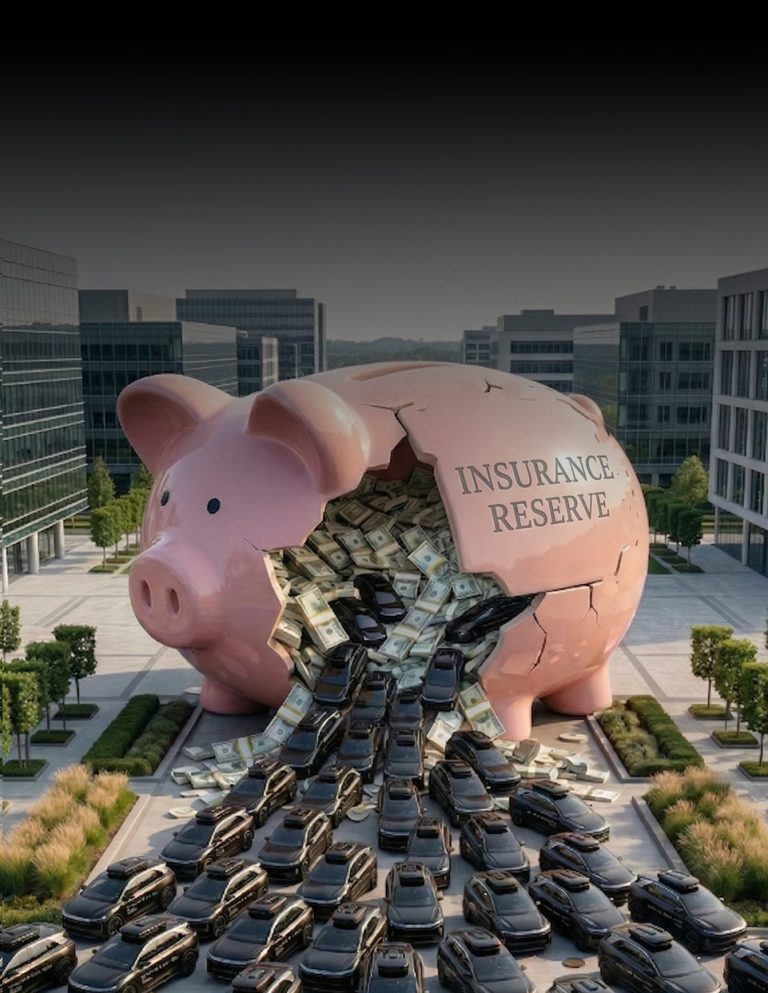
A new investigation from More Perfect Union digs into the rising “insurance” costs Uber charges riders and drivers — and finds that the company largely controls those costs itself.
The investigation prominently features Consumer Watchdog’s report, Uber’s License to Kill Insurance Scam, and interviews Consumer Watchdog President Jamie Court about Uber’s $12.5 billion insurance reserve and its captive insurer, Aleka Insurance. Consumer Watchdog found that 95% of Uber’s insurance payments are ultimately self-funded.
More Perfect Union highlights the strange economics: Uber tells lawmakers that skyrocketing insurance costs are driving up fares, yet its insurance charges can fluctuate dramatically even for the same trip. As Court explains, Uber is largely paying itself for insurance.
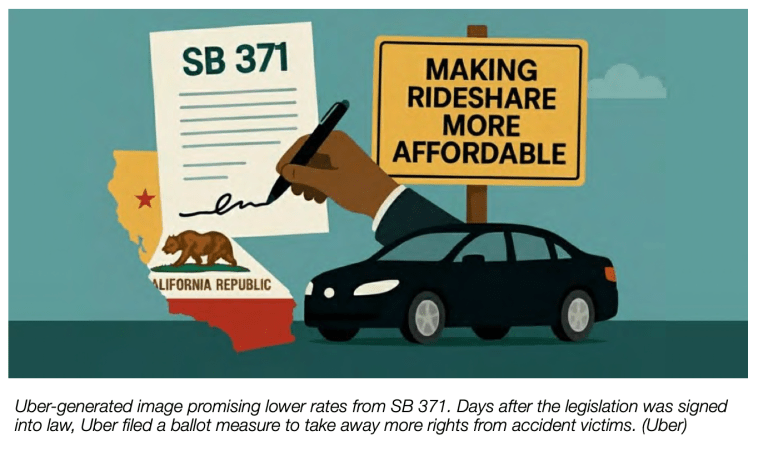
That matters because Uber already used rising insurance costs to successfully lobby California lawmakers for SB 371, which slashed required uninsured and underinsured motorist coverage from $1 million to as little as $60,000 per person. Uber did not disclose to lawmakers that it largely self-insures.
Now Uber’s liability fight has moved to Washington.
The Fong Amendment to the House surface transportation bill would override state liability laws and shield app-based companies from many claims arising from their drivers unless plaintiffs can prove gross negligence or criminal wrongdoing. The provision is retroactive and could threaten pending sexual assault lawsuits against Uber.
There is encouraging news: the Senate passed a clean extension of surface transportation programs through December 11, reducing pressure for immediate House action on the bill containing the Fong Amendment.
But the fight isn’t over. Uber’s California playbook shows why Congress should be skeptical when the company invokes “insurance costs” to demand less accountability.