Beware. The predictive algorithmic modeling that home insurance companies deploy regarding wildfires is poised to come for California car insurance premiums. And it’s in the form of a revived legislative proposal known as AB 311 (McKinnor).
The bill is making its way through the state Senate after the author’s original attempt, SB 1833, was put on hold because it appeared the Assembly Privacy Committee would not approve it.
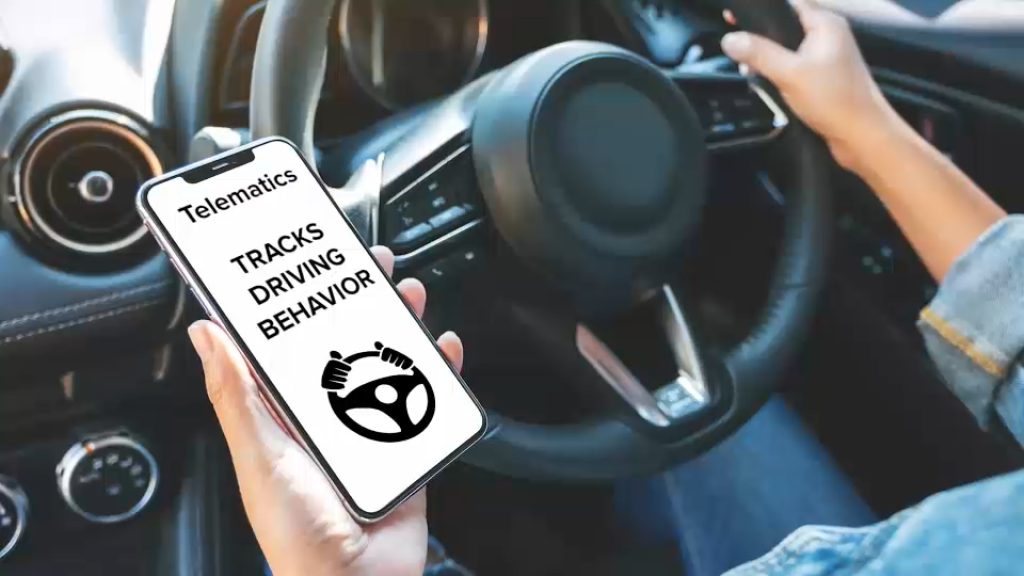
But AB 311, or the Consumer Driving Data Protection Act of 2026, does little in the name of…consumer driving data protection. The bill still allows telematics scoring for auto insurance, while cloaking proprietary scoring models. It would transform car insurance by allowing companies to wield personal data via secret algorithms that will lead to higher premiums and privacy overreach.
Perhaps chiefly, the bill would alter longstanding protections for California drivers enshrined in Proposition 103, which ensure premiums are based on miles driven, driver safety record and experience, and gives all Good Drivers a 20% discount. AB 311 replaces a driver’s objective history of accidents with an algorithm’s unverified predictions about their future driving. And it allows each insurance company to create its own telematics definition of “Good Driver,” authorizing potentially dozens of different metrics for a good driver across companies, rendering the discount meaningless.
While AB 311 nods toward the need to protect some sensitive information, for example saying telematics doesn’t include “the collection of nondriving-related personal information, such as biometric or biometric-adjacent information,” it then contradicts itself by defining the definition of telematics data expansively to include “information … that reflects the operation, mileage, or use of a motor vehicle, including [but not restricted to] speed, acceleration, and braking.” So, for example, geolocation is not listed as collectable, yet it is routinely collected by insurance telematics programs to determine things like speed, braking, and stopping. Insurance companies have a long history of using data that no reasonable person would consider “driving-related” to set auto insurance premiums, including credit score and other surrogates for race, gender, wealth, and religion.
Now here’s a deeper look at how AB 311 would overhaul car insurance:
A Mandatory Product Turned Into A Surveillance Apparatus: Auto insurance is mandatory for California drivers, and AB 311 would let insurers offer commissioner approved discounts to drivers who agree to telematics tracking. The bill says participation is voluntary and bars insurers from denying coverage or directly penalizing consumers who opt out. But in practice, the program forces drivers to choose privacy OR affordability. Those who decline tracking may pay more than those who agree to have their driving behavior monitored. That makes telematics nominally voluntary, but also coercive for price-sensitive consumers.
Discriminatory Impacts Hidden Behind Algorithms: Telematics scoring systems rely on factors that correlate with race, income, and where people live and work, such as late-night driving, urban traffic patterns, and braking behavior.These systems risk recreating the very discrimination Proposition 103 was designed to eliminate, replacing transparent rules with proprietary, opaque algorithms that cannot be publicly evaluated. The bill says insurers must submit score model with rate applications, but the scores are not subject to disclosure.
Data Collection With Few Real Safeguards: At the same time, AB 311 relies heavily on regulatory enforcement and gives consumers limited direct accountability tools if telematics data is breached or misused. While the bill requires safeguards and allows the Insurance Commissioner to impose penalties, an insurer is responsible for a third-party telematics provider’s violation only if the insurer knew the provider was violating the law and failed to stop it. And the Commissioner has no authority over third-party data brokers.
Data Trained For Algorithms? AB 311 does not prohibit insurers or vendors may use consumers’ telematics data to train the scoring models that set premiums. That matters because deleting the raw data after a rating decision may not undo its influence if the data has already been incorporated into a scoring model or future algorithmic system. Once a Large Language Model (LLM) has been trained on data, deleting the data doesn’t remove the data’s influence on the LLM.
Higher Costs, Not Savings: Evidence from other states shows many drivers see no savings, and some see significant premium increases. Drivers could be penalized for entirely legal behavior, such as working late shifts or driving in certain neighborhoods, with no meaningful way to understand or challenge the result. For example, there is evidence from the state of Maryland showing telematics doesn’t deliver on the marketing of cheaper premiums. In the first study of its kind by a state, a 2025 Maryland Insurance Administration (MIA) telematics survey found that only 31 percent of drivers enrolled in telematics programs saw premium decreases, while 45 percent saw no change in premium at all. And nearly a quarter saw premiums go up by over 40 percent.
That doesn’t sound like the promises of discounts we’ve been told all along about telematics.
The bill will be heard in Senate Insurance on Wednesday.