By Megan Fan Munce, SAN FRANCISCO CHRONICLE
https://www.sfchronicle.com/california/article/home-insurance-state-farm-rate-20215509.php
California regulators have given State Farm General initial approval for its largest home insurance rate hike in years — but first, they want the insurer to pledge not to drop any more customers en masse.
The decision means State Farm home insurance customers will have to brace for a significant rate increase for the second year in a row — this one averaging $600 annually for each of its 1.2 million homeowners. However, it may help them avoid a possibly worse fate: one in which their insurer, the largest in California, does not renew their policies or even potentially leaves the state.
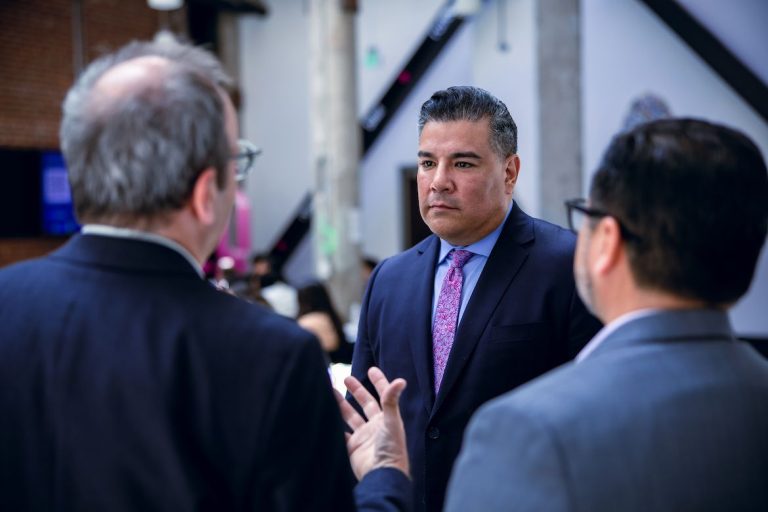
Insurance Commissioner Ricardo Lara informed State Farm of his decision in a private Zoom meeting on Tuesday. But the move is not final yet. Lara scheduled a formal rate hearing for April 8, where State Farm will have to present data before an administrative law judge to prove the rate hike is justified.
If the April hearing goes well for State Farm, customers can expect their rates to go up at their next renewal date starting June 1. Rates will rise by an average of 22% for homeowners, 15% for condo owners, 15% for renters and 38% for rental dwellings, a type of insurance for landlords who rent out their homes.That comes on top of an average 20% rate hike that first started appearing on homeowners’ bills in March 2024.
Based on the amount of premiums State Farm took in last year, the Chronicle calculates that the rate increases would average $600 annually for homeowners; $163 for condo owners; $30 for renters; and $456 for rental dwellings.
“None of this is normal. These emergency actions have never happened before,” Lara wrote in an op-ed published Friday in the Chronicle. “But they are necessary to protect Californians through a stable insurance market.”
The increase, if granted final approval, doesn’t mean that the insurer will begin to write new homeowners policies, which it hasn’t done since May 2023. Doing so would not be financially sustainable given the company’s still-limited finances, State Farm General CFO Mark Schwamberger said at a February meeting in the California Department of Insurance’s Oakland office.
Instead, Lara asked the insurer to pause any homeowners nonrenewals through the end of 2025. That could include some of the 30,000 homeowners who were told they’d be dropped last March, but who have not received an official notice of nonrenewal.
In response, State Farm General CEO Dan Krause said at the Tuesday meeting that the company would be willing to refrain from issuing large-scale nonrenewals of homeowners for at least one year.
Krause also said State Farm General would agree to seek more funds from its national parent company, State Farm Mutual Automobile Insurance Co.
State Farm initially insisted that it does not move money between different arms of the company. But at the Tuesday meeting, Krause said the State Farm Mutual board of directors was willing to consider transferring at least $250 million — a 40% boost to the company’s declining surplus. Lara has called for them to ask for $500 million.
“We need to see that State Farm is willing to also put some skin in the game,” Lara told Krause, according to a transcript of the meeting.
Asked Friday whether State Farm would commit to complying with Lara’s requests, a spokesperson for the company did not provide a definitive answer.
“It’s time for certainty in the California insurance market for our customers. The provisional nature of today’s decision does not improve that certainty, but it’s a step in the right direction,” the spokesperson said in a statement. “We are moving forward with implementing this provisionally approved rate and will continue to work with the California Department of Insurance for a sustainable future for the California insurance market.”
If the rate increase request is not ultimately approved, Schwamberger had previouslywarned that the insurer could instead turn to “significant nonrenewals” in order to better balance its books.
State Farm first made its rate hike request in June, at the time asking regulators to approve a 30% increase for homes, 52% for rental dwellings and 36% for condos. After the Los Angeles fires, it lowered its requested rate increase but asked regulators to expedite their review so the company could begin implementing its new rates more quickly.
The insurer said the urgency was needed in response to its deteriorating surplus, a measure of the company’s ability to pay claims, which had declined from $4 billion in 2016 to just over $1 billion by the end of 2024. State Farm has said it expects its wildfire losses to cause its surplus to further decline to just $600 million.
Consumer Watchdog, which participated in the discussions over the rate request, argued that State Farm’s poor financial state is a product of its own doing. The group accused State Farm’s national parent company of overcharging its California subsidiary for reinsurance, meaning insurance for insurance companies. State Farm denied the accusations, saying its reinsurance contractors are monitored for fairness by regulators in its home state of Illinois.
It also pointed out that its reinsurance contracts mean State Farm General will be able to pass on all but $400 million of its expected $7.9 billion losses from the Los Angeles wildfires to its parent company.
At the February meeting, Lara also questioned why the insurer had been writing a large amount of new policies in high- risk areas from 2016 to 2023, despite the knowledge that its surplus was steadily declining. A Chronicle analysis found State Farm insured more homes in and around the Los Angeles fire perimeters than any other insurer.
In response to Lara’s question, company officials pointed to a piece published in Property Insurance Report, an industry publication, reading, “The growth was the result of being the last insurer standing. This is a common problem for State Farm. When everyone else leaves in a hurry, and they remain, suddenly all the business flows to them.”
Carmen Balber, executive director of Consumer Watchdog, stressed that Lara’s decision is not a final approval and celebrated his call for a rate hearing in front of an administrative law judge, which Balber’s group had been pushing for.
“It’s a victory for consumers that State Farm will have to make its case in a public hearing,” she said in a statement. “The numbers the company has provided so far show its request is unjustified, and unless State Farm proves otherwise the outcome of the hearing should be a rejection.”
State Farm executives said at the Tuesday meeting they expect to have financial results for the first quarter of 2025 ready by the hearing and anticipate those numbers will help them make their case for the hike.