By By MELANIE MASON, DUSTIN GARDINER and BLAKE JONES, POLITICO
Gavin Newsom had his successor in his mind when he pushed hard for a wildfire liability deal in the closing days of his final legislative session, vowing to “not walk away and hand a real mess to the next governor.”
But Xavier Becerra himself played virtually no part in the legislative drama that has consumed the Capitol, and he’s sent no signals about his preferred outcome, according to 10 people closely involved in the discussions.
“He’s the incredible missing man,” said Jamie Court, the president of Consumer Watchdog, one of the staunchest opponents to Newsom’s proposal. “I have not heard at all about his preference on this deal, which is really unusual because he’s the one that’s stuck with the results.”
Of course, Becerra is a candidate right now, not the governor. His long-shot opponent, Republican Steve Hilton, said that he followed the developments via news reports but did not have any further involvement. The Republican said he was skeptical about how Democrats in the Capitol were approaching the issue entirely, saying the cause of the utilities’ woes is California’s “monomanical” focus on climate initiatives.
“While I can’t affect any of the negotiations that have produced the outcome we’ve seen here, I definitely want to make sure as governor the regulatory framework redirects resources toward wildfire prevention,” Hilton told Playbook.
Becerra would have the easier time getting intel on the negotiations, given his close relationships with Democrats shaping the debate in the Capitol. Some involved with the negotiations said it would be inappropriate for Becerra to throw himself into the negotiations, both because it would appear presumptuous and because there’s only one governor at a time.
The minimal footprint is deliberate, said one person familiar with Becerra’s thinking and granted anonymity to describe internal deliberations. He wants to avoid any hint of trying to exert influence, conscious of not crossing or appearing to cross any ethical lines, the person said.
It also is a matter of bandwidth. Becerra improbably rose in the primary with a bare-bones operation. His staff has remained small since his primary win, with few people to track ongoing legislative developments. His team wasn’t entirely absent from the ongoing discussions; Becerra staff reached out to the governor’s office Friday night to get more information about the emerging three-party compromise, according to a person familiar with the conversation, but the outreach was limited.
His public comments on the issue have offered few clues on how he’d approach this legislative quagmire.
“Californians deserve a system that puts victims first and delivers real support and lasting change,” Becerra said in a statement reacting to the abrupt collapse of the deal. “Survivors have waited long enough — it’s time to get this right.”
(A campaign spokesperson declined to say if that meant Becerra was calling for a special session and wouldn’t specify if the time period Becerra refers to is prior to before the next governor is sworn in.)
It’s not just on wildfire liability where Becerra’s thinking is a black box. California’s political players have been puzzling over where Becerra stands on a variety of issues.
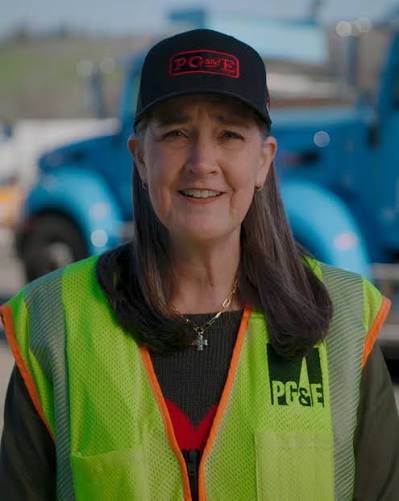
“By all accounts, I think he’d do a good job for California, but I think there’s also a lot to know about him, and I think he’s going to have to share with us in his time what his vision is for the energy system here in California,” PG&E CEO Patti Poppe told POLITICO’s Noah Baustin and Camille von Kaenel.
They’ll have to keep waiting. State Sen. Sasha Renée Pérez, who represents fire-ravaged Altadena, said she invited him to return to the city, which he visited in the primary, to meet with survivors.
“It would be great to have him come back, spend a little bit more time,” she said. He committed to returning in the new year.
With help from Marisa Guerra Echeverria and Lindsey Holden.