By Noah Bautin, POLITICO
California was already navigating a perfect storm on gasoline prices. The conflagration in Iran just added the lightning.
The Middle Eastern conflict has stemmed the flow of oil shipments (opens in new tab) out of the Persian Gulf, spiking global oil commodity prices (opens in new tab). Oil analysts are warning that the market volatility (opens in new tab) will quickly translate into an uptick of gasoline prices at the pump.
Add to that California’s ongoing refinery woes, and the Golden State could see $5 per gallon in the coming weeks, according to Ryan Cummings, chief of staff of the Stanford Institute for Economic Policy Research.
“[Retail] gas prices are already slated to continue to increase, particularly in Northern California,” Cummings said in an interview. “So then on top of that, you get the double whammy of whatever’s happening in Iran.”
In all, the Iran conflict represents the first major test to the new gasoline supply model that the Newsom administration has increasingly embraced as refineries close: importing a larger share of the state’s gasoline as oil refiners exit in the face of the Golden State goal of phasing out petroleum-based fuels by 2045.
A confluence of several sagas are lining up to send California’s gas prices skyward.
Valero began idling its Bay Area refinery in Benicia at the same time that PBF Energy delayed ramping back up its nearby Martinez refinery, which is still recovering from a fire last year. Meanwhile, the state’s oil refineries began their annual process of adjusting operations to produce California’s summer blend of gasoline, which reduces emissions but costs more to make.
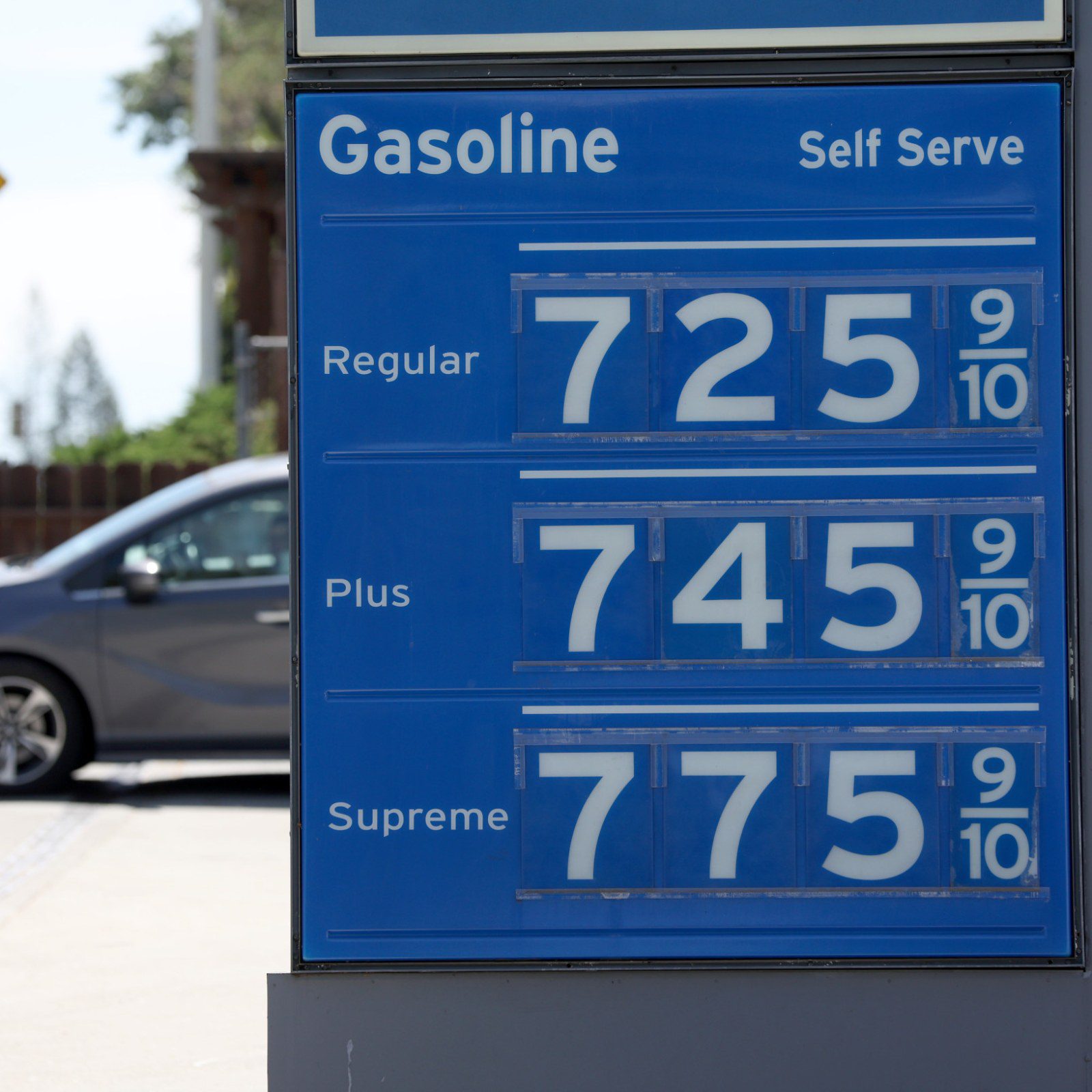
The average price of California regular gasoline climbed from $3.98 to $4.44 per gallon from Jan. 19 to Feb. 23, a 12 percent increase, according to the latest U.S. Energy Information Administration data (opens in new tab). That was almost double the U.S. average increase over that time, meaning that on Feb. 23, California gasoline was $1.20 more expensive than the U.S. average — the largest gap the Golden State has had since last May.
On Monday, California’s average gasoline price hit $4.66, making it $1.66 higher than the national average, according to AAA (opens in new tab).
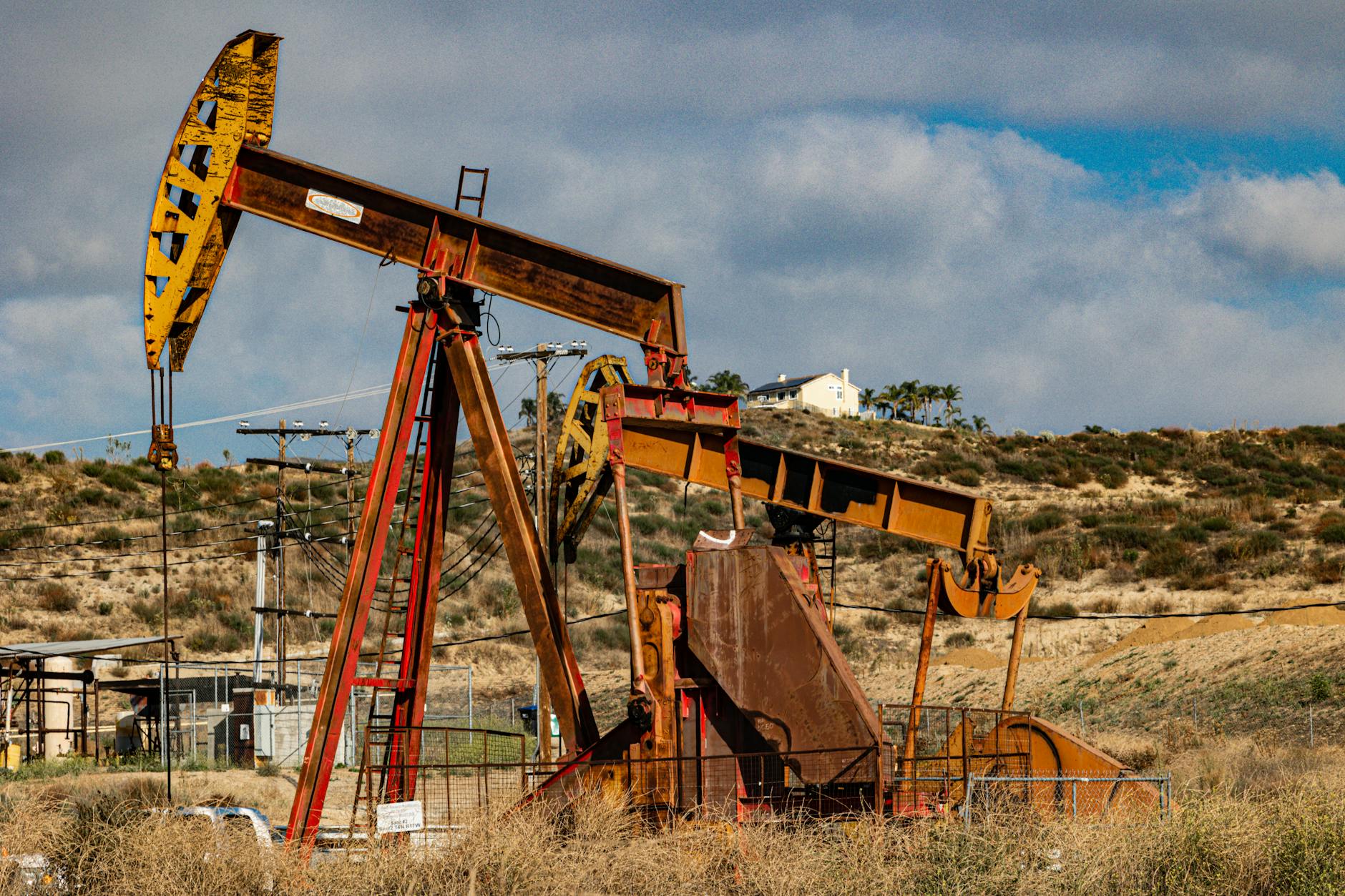
The situation is quickly becoming a political Rorschach test, with Gov. Gavin Newsom pouncing on the opportunity to turn the gasoline price spotlight from his administration and onto President Donald Trump’s. Meanwhile, Newsom’s critics are slamming him (opens in new tab) for implementing policies they say have cut California’s in-state oil production and refining capacity, making the Golden State more vulnerable to shocks to international oil prices.
“Oil prices are up, gas prices are going up,” Newsom said during a Monday press conference. “Every $10 increase in a barrel is roughly 24 cents per gallon that you’ll be paying more because of Trump’s war.”
The governor said he had concerns that there could be gasoline price spikes in the coming days and weeks and that his team “had extensive conversations over the weekend, gaming out worst case scenarios as it relates to access to imports, as it relates to the ongoing issues around refineries, as it relates to past impacts of similar endeavors in the Middle East.”
The White House pushed back on Newsom’s comments.
“The Trump Administration doesn’t need lessons on energy policy from Gavin Newscum, a failed governor who destroyed the oil and gas industry in his state,” Taylor Rogers, a White House spokesperson, said in a statement. She pointed out that California’s average gasoline price is $1.66 higher than the national average (opens in new tab) and touted the fact that U.S. crude production has hit record highs in the past year (opens in new tab).
Secretary of State Marco Rubio told reporters on Monday (opens in new tab) that the Trump administration will unveil a plan to combat oil price jumps on Tuesday.
But it’s not just the D.C. political class lobbing criticism at Newsom for his warnings that the Iran war will spike gasoline costs and his Saturday social media post (opens in new tab) highlighting that California gasoline prices have stayed below $5 per gallon for nearly two years.
“Newsom is an out-of-touch elitist trying to blame ‘Trump’s war on Iran’ for his own extreme climate policies and his own cruel and destructive war on working-class Californians,” Steve Hilton, the Republican front-runner (opens in new tab) in California’s gubernatorial race, said in a statement.
Hilton and his Republican colleagues aren’t alone in piling on. Jamie Court, president of Consumer Watchdog, is complaining to the Legislature (opens in new tab) about the gap between California’s and national gas prices and is pinning some of the blame on Newsom’s California Energy Commission for not using his 2023 law, SBX1-2 (opens in new tab), to force Valero to keep its Benicia refinery fully operational for a few months longer.
In response, the CEC said the early idling shouldn’t impact supply in the near term.
“Valero has offered assurances to the CEC that it will make available an adequate amount of resupply to account for any shortages caused by the scheduled maintenance activities during the first several months of this year, which is what triggered their earlier-than-expected idling of refining operations,” CEC spokesperson Niki Woodard said in a statement.
The West Coast fuel market, which California anchors, imported more gasoline in 2025 than it had in nearly two decades, according to EIA data (opens in new tab), indicating the transformation taking place as refiners leave the state.
CEC Commissioner Siva Gunda, who has led the administration’s oil and gasoline policymaking, acknowledged during a February interview that increasing gasoline imports comes with risks.
“As soon as we open ourselves to a global market … we would have some shocks based on global dynamics,” Gunda said. But he alluded to a potential policy (opens in new tab) to ensure that fuel players have sufficient supply on hand as a bulwark against commodity fluctuations.
“The way to protect ourselves from that would be what we do with renewables: storage,” Gunda said. “The production is intermittent, you need storage.” — NB