By Shawna Chen, AXIOS
https://www.axios.com/local/san-francisco/2026/03/20/uber-measure-debate-crash-payouts-explained
A proposed ballot initiative backed by Uber could reshape how much money victims recover in California car crash cases.
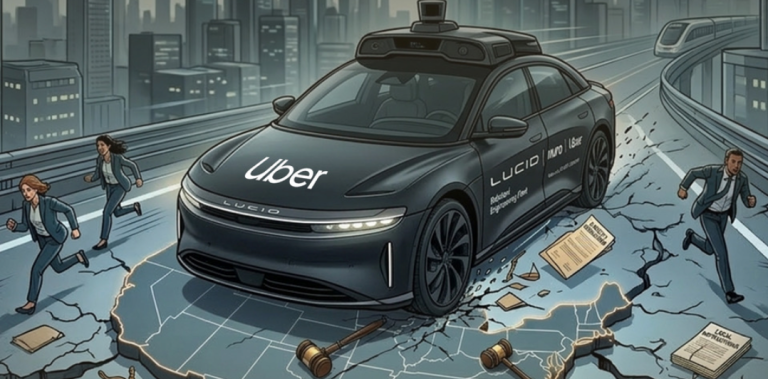
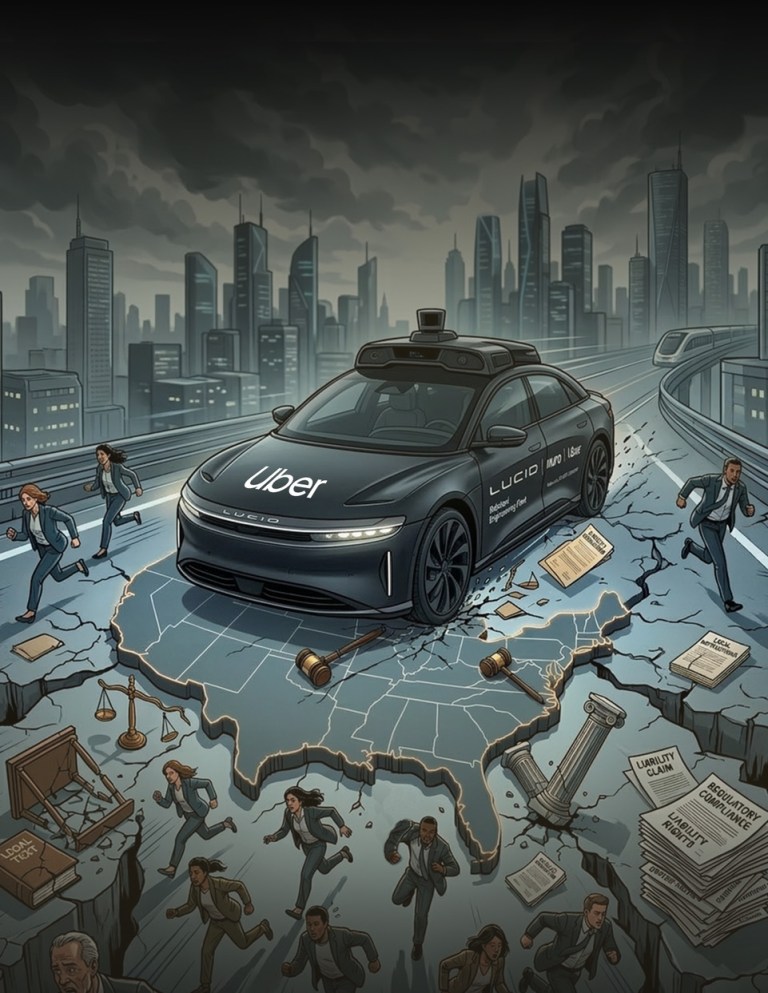
The big picture: Uber says the measure ensures injured Californians — not lawyers — “receive the majority of any auto accident recovery,” but critics argue it could limit liability as the company advances its self-driving ambitions.
What’s inside: The initiative (opens in new tab) focuses on two major changes that would impact drivers involved in motor vehicle accidents statewide if adopted:
- It would cap lawyers’ fees in winning cases, so accident victims keep at least 75% of any settlement. (Lawyers typically take about a third in personal injury cases, per legal (opens in new tab) scholars (opens in new tab).)
- It’d also limit medical cost reimbursement for accident victims.
What they’re saying: While the initiative might sound good on paper, Jamie Court of the nonprofit Consumer Watchdog called it a “Trojan horse.”
- Lower fees would discourage lawyers from taking complex or costly cases and leave many victims without representation, especially when most families already can’t afford to pay hourly rates, he told Axios.
- Court also argued that the reimbursement cap is far lower than hospitals’ actual charges, potentially leaving patients covering the gap out of pocket or struggling to access care.
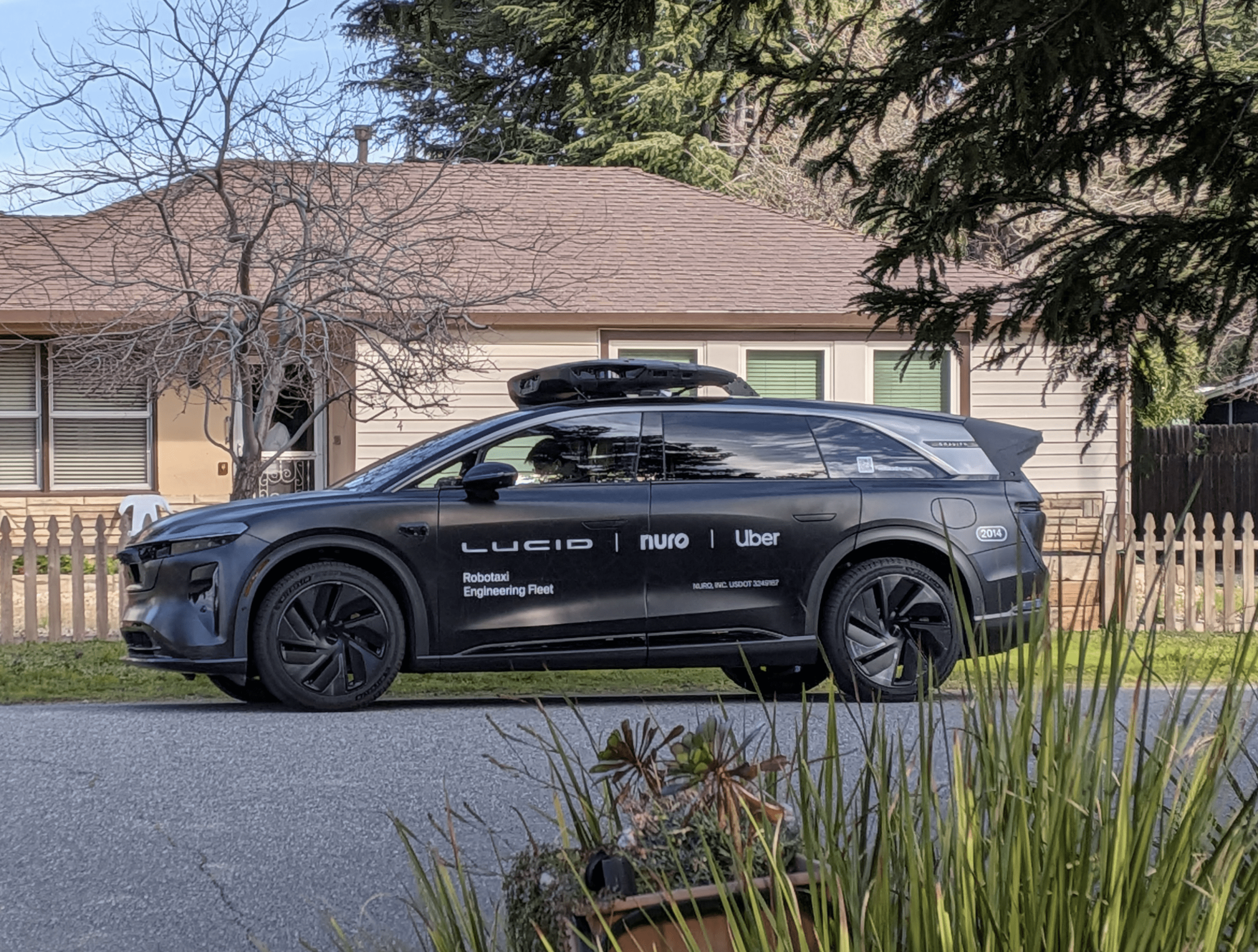
The latest: A report released this week (opens in new tab) by the group alleged that Uber is weakening legal accountability to make it tougher for people to sue as the company prepares to roll out 20,000 self-driving cars over the next six years, starting in the Bay Area (opens in new tab).
- That’s a dangerous prospect, the nonprofit claims, arguing the measure could limit the legal consequences for other companies.
- Uber has faced scrutiny (opens in new tab) over safety issues in the past, including concerns raised in the report.
The other side: Uber strongly disputes the report, arguing that the initiative would ultimately put more money in victims’ pockets.
- “Claims that this ballot measure shields robotaxis from accountability are simply wrong,” spokesperson Zahid Arab said in an email to Axios.
- Arab, who called the report “hyperbolic rhetoric,” added that the measure doesn’t change the right to sue or the types of claims people can bring — including negligence and product liability — but rather how settlement money is divided.
- Nathan Click, a spokesperson for the ballot initiative campaign, also accused Consumer Watchdog of being a “secret dark money group working on behalf of the ambulance lawyers lobby.”
Reality check: Several law professors have publicly spoken out against the measure (opens in new tab), pointing to studies (opens in new tab) that show capping contingency fees leads (opens in new tab) attorneys to turn away victims (opens in new tab) and could disproportionately impact lower-income people.
What’s next: Uber’s measure needs at least 874,000 signatures to qualify for November’s ballot.