Mideast Conflict, Natural Gas Dispute Raise Cost Of Oil, But It’s Retreating Again
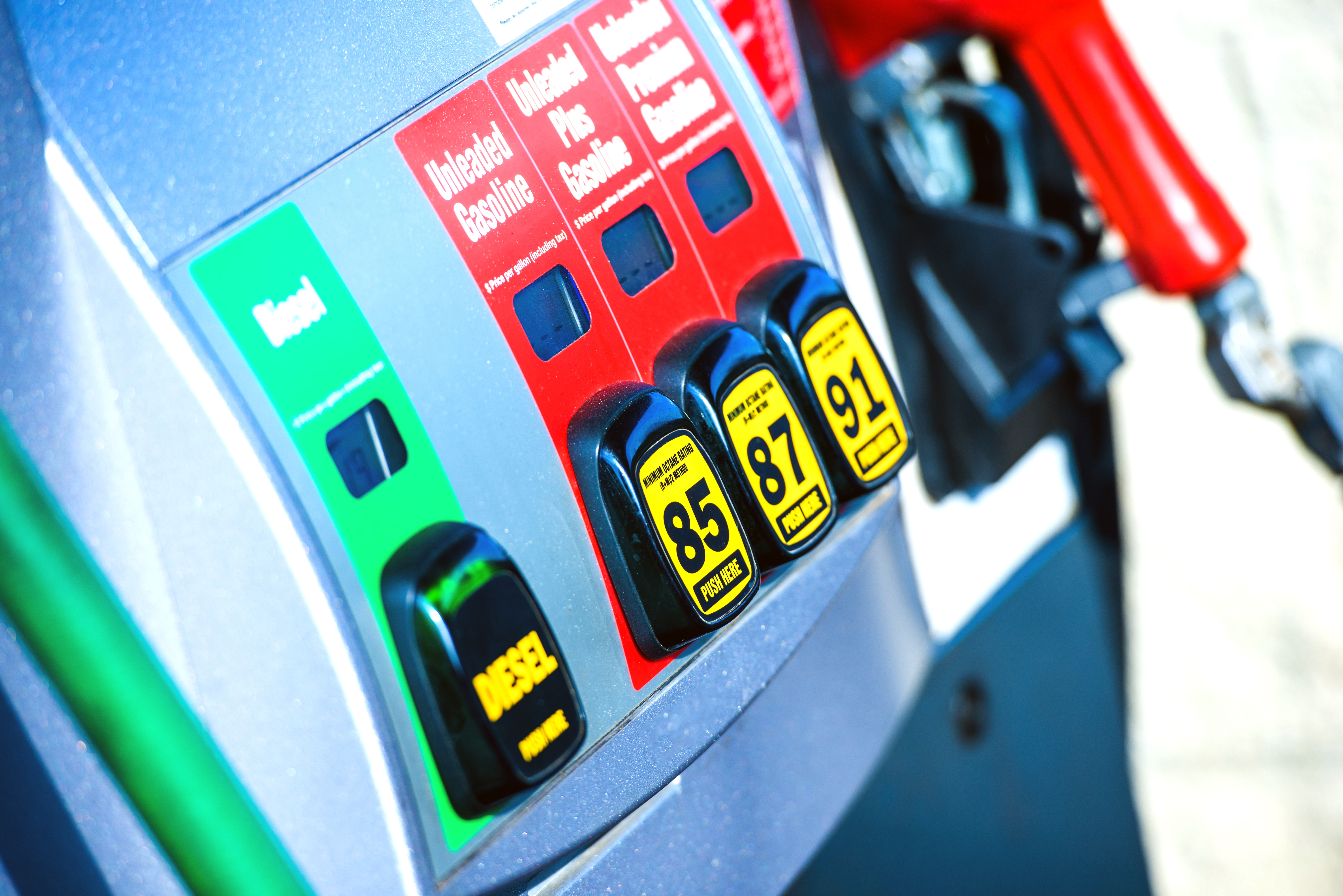
Global conflict and rising crude oil prices drove gasoline up in Arkansas by 20 cents a gallon in one week from a five year low.
AAA reported Thursday that regular averaged $1.671, up exactly 20 cents since Jan. 1. Gasoline prices were last below $1.50 in January 2004.
The main factors in pushing up the price of crude oil have been the military conflict between Israel and the Palestinians and the dispute over natural gas between Russia and Ukraine. "Anxiety in the energy markets… affects energy prices," said Mike Right, spokesman for AAA.
Markets are still reacting to a possible supply disruption from the war in the Middle East, said Phil Flynn, vice president and energy analyst for Chicagobased Alaron Trading Corp.
"If there’s a cease-fire, I do think we’ll see prices get back down into the $30s," Flynn said regarding the price of a barrel of oil.
Futures contracts on the New York Mercantile Exchange for February delivery of crude oil rose from $35.35 a barrel on Dec. 24 to $48.81 on Monday but have since fallen to $41.70.
Gasoline generally follows crude oil, and so pump prices have not had the time to reflect the recent drop in crude.
Typically, a $1 increase in a barrel of crude oil translates to a 2.5-cent increase per gallon of gasoline, according to James Williams, energy economist and owner of WTRG Economics near Russellville.
Right said that during that same period, wholesale gasoline prices rose from 85 cents per gallon to $1.15.
While prices aren’t likely to go back up to the state record of $3.97 on July 17, "consumers need to get used to these seemingly wild swings in gas prices," Right added.
While the Israel and Palestine conflict doesn’t technically involve oil, anything that destabilizes the Middle East, which produces most of the world’s oil, will push crude oil prices up, Williams said.
Williams said the Organization of Petroleum Exporting Countries will continue to try to force prices up through production cuts, and consumer demand will continue to decrease while the economy weakens.
Crude oil itself takes a while to make it from refinery to pump, but futures contract prices can have an immediate effect, Williams said.
A futures contract locks in a price for a commodity to hedge against market fluctuations. There’s a limited supply of gasoline in the country, and many wholesalers tie their current prices to the futures prices. Also, any disruption in the supply chain will cause a quick price response, Williams said.
"Oil companies behave just like everyone else," Williams said. "Because the futures market influences the cash market, that happens faster than what actually happens following the refined barrel of crude all the way through the system." However, Judy Dugan, researcher for Consumer Watchdog, said in an e-mail that the fluctuating crude oil and gasoline prices should be of concern to citizens.
"Consumers saw last summer how high prices can go, so a 20-cent increase in a couple of weeks would scare anyone, especially since there’s no good reason for the increase," Dugan wrote. "Other kinds of products certainly aren’t going up." She said it’s relatively easy for refineries and oil companies to manipulate prices and people should insist on more regulation from Congress.
Pine Bluff, Little Rock and Texarkana had the lowest average prices for gasoline in the state, according to AAA, with regular at $1.648, $1.656 and $1.663, respectively. Northwest Arkansas had the highest averages, with Fayetteville at $1.691 and Fort Smith at $1.696.
Gasbuddy.com, a site where people can report gas station prices, showed the highest reported price of $1.89 at stations in Prescott and Ozark.
Since Wednesday, crude prices have gone back down, thanks in large part to a U.S. Energy Information Administration report that the country has a record amount of crude oil in the supply chain, Flynn said.
"We’re just swimming in crude oil," Flynn said. "So the oil is there, and because the economy is slow, we don’t need as much oil." And the "glut" in oil should balance out the fears of supply disruption, he added.