James Taylor Sr. dedicated his career to working as a machine operator before enjoying a well-earned retirement. He was a vibrant force in both his church and the community and, alongside his beloved wife, Larcenia, he participated in rallies and marches that championed causes aimed at uplifting their neighborhood. At home, James poured his heart into caring for Larcenia, supporting her through health challenges with unwavering devotion. A man of profound kindness, he was admired not only as a loving husband but also as a nurturing father, leaving a lasting impression on all who knew him.
James collapsed at home, and in a moment of quick thinking, his wife Larcenia called 911. He was rushed to a local emergency room in Bakersfield. As a heart patient, this wasn’t his first brush with danger; back in 2015, he had a similar experience when he fainted at home. On that occasion, he was transported by ambulance to a different hospital, where a team of six healthcare providers diligently cared for him. They accurately diagnosed his condition and provided the life-saving treatment he needed.
Tragically, however, this time would be different. Despite the urgency of his situation, the care he received at the emergency room fell painfully short. Just two hours after his arrival in the emergency room, James’s life came to a heartbreaking end, leaving behind a family shattered by loss.

COVID-19 visiting restrictions were still in place at hospitals, so Larcenia anxiously called the hospital, desperate for news about her husband. As she held the phone to her ear, she could hear several code blue calls echoing in the background. With her heart racing, she asked the emergency room staff whether the code blue was for James, but they said they couldn’t provide that information. Overwhelmed by dread, she rushed to the hospital. Upon her arrival, the staff denied her access to see him, intensifying her anxiety. Overcome with worry, she felt a wave of dizziness wash over her and had to sit down to steady herself. At last, Larcenia and her family were escorted to a private room, where she could finally speak with the doctor. With a heavy heart, she asked what had happened to her husband. The doctor delivered the news that no family is prepared for: James had stopped breathing. He explained that they had found him unresponsive and that he was already deceased, leaving Larcenia shattered.
Larcenia sensed something was wrong. Driven by instinct, she reached out to the Kern County Public Health Department, seeking answers. An investigator went to the hospital and uncovered a shocking truth: the emergency room provider had ignored crucial hospital policies and regulations. James’s heart condition was clearly documented in his medical records, and he had reiterated to the doctor that he had a defibrillator and was managing heart issues. Despite this, the investigation revealed a grave departure from the standard of care: the emergency room doctor ordered an intravenous medication, Zofran, which poses significant risks for cardiac patients. While Zofran is typically prescribed for nausea and diarrhea, it demands careful evaluation and monitoring because of its potential to induce dangerous heart rhythm abnormalities—issues that could lead to fatal arrhythmias. Devastatingly, Larcenia discovered that the hospital staff failed to provide proper monitoring for her husband. They placed him on a heart monitor that was not functioning. James’ life slipped away just 30 to 45 minutes after receiving the medication. The doctor’s negligence in adhering to established protocols for treating heart patients was a catastrophic oversight, with consequences that would haunt Larcenia forever.
A state investigator questioned the nurse assigned to place James on the heart monitor. The nurse admitted that he could not recall putting James on the device. Compounding the issue, the medical records indicated that the monitor’s alarm had not been activated. Larcenia was left with unanswered questions and an urgent thirst for accountability in the wake of her husband’s tragic death, as well as a profound concern for the well-being of other patients who might find themselves in the hands of this doctor during critical moments of care.
Larcenia’s concerns for other patients were well-founded. Upon reaching out to Consumer Watchdog, she uncovered a troubling case involving a 3-year-old girl who had been tragically misdiagnosed. The very same emergency room doctor had sent the child and her mother home with a diagnosis of constipation, while, in reality, the little girl was suffering from a burst appendix. This harrowing reality was only confirmed the next day at another hospital. Larcenia felt a deep sense of urgency to ensure that no one else faced such a dangerous oversight.
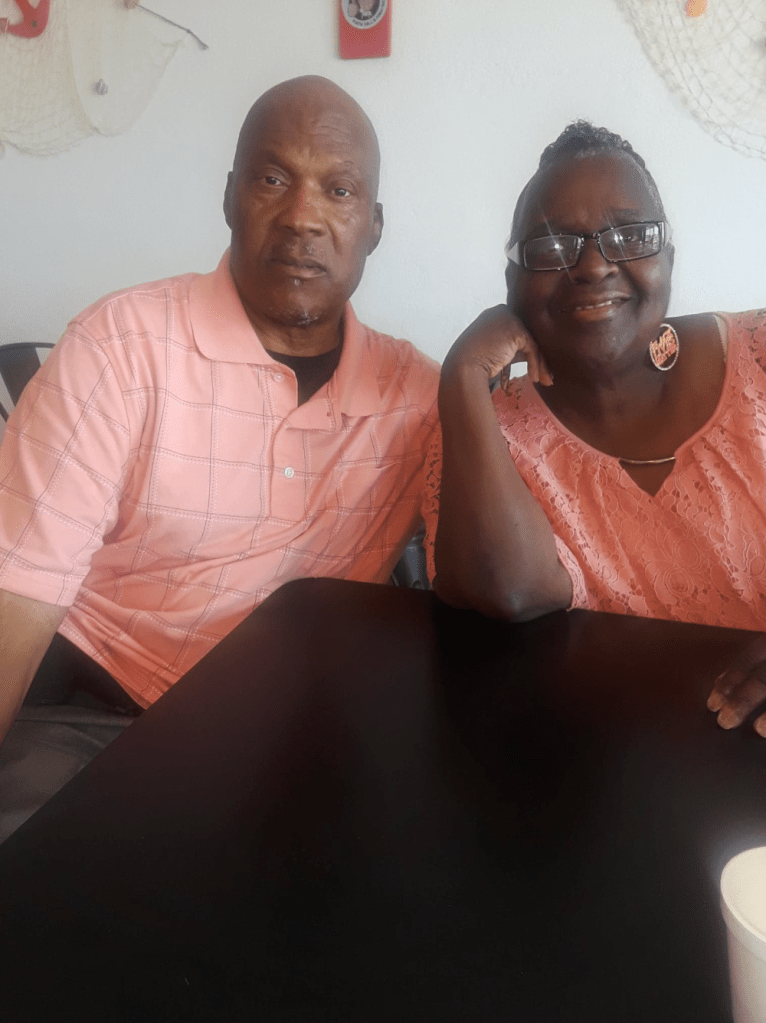
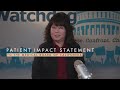
In search of accountability for her husband and the safety of other families, Larcenia filed a complaint with the Medical Board of California. The Kern County Health Department confirmed four out of five allegations of negligence surrounding James’ tragic death. Yet, in a disheartening turn of events, the Medical Board dismissed the complaint without so much as an inquiry or communication with Larcenia, apart from acknowledging the receipt of her complaint. Devastated by the board’s indifference and unwillingness to investigate James’ death, Larcenia found herself seeking support from another family in Bakersfield, who connected her with Consumer Watchdog. Fueled by a desire for justice and change, Larcenia has stepped forward to join the campaign for reforming the medical board, determined to ensure that no one else endures a similar heartbreak. Besides medical board reform, Larcenia has advocated for and against legislation to help provide safe health care for all Californians.