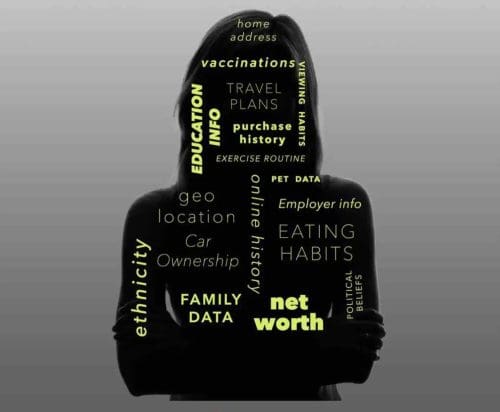
Surveillance Pricing is finally getting the scrutiny it deserves. Under the newly proposed AB 446 (opens in new tab) by Assemblymember Chris Ward (D-78), the practice would be illegal.
Surveillance pricing occurs when consumers are charged different prices for the same product by the same seller based on personal data. The practice gets especially hairy because prices are set based on a shopper’s impulses and what the seller perceives a person is willing to pay, and not competitive market forces such as supply and demand. Prices are changing millions of times a day on Amazon alone, often in seconds, based on mysterious surveillance and algorithmic forces that we know almost nothing about.
The issue has attracted attention in the past year with the Federal Trade Commission, which initiated a study to know more about it. But aside from confirming that personal information such as scrolling habits are used in setting prices for a range of goods including grocery stores, retail, to travel, health, and financial services, the FTC has appeared to largely abandon the issue (opens in new tab) in the Trump Administration.
However, Ward’s proposed bill, with the help of Consumer Watchdog, prohibits businesses from using personal information of a consumer to adjust the price of goods based off their individualized data profile. As pointed out, no federal or state law prohibits companies from using data they collect to change their own internal pricing, despite California having the strongest data privacy laws in America.
Such a law is especially important during a time when grocery prices have increased, the data collected on us is incredibly detailed, and the unprecedented nature of corporate algorithms and artificial intelligence.
The bill proposes an outright ban on surveillance pricing, defining it as “when a person sets a price offered to a consumer based, in whole or in part, upon personally identifiable information gathered through an electronic surveillance technology, including electronic shelving labels.”
It highlights grocery stores, in which chains such as Kroger will be rolling out digital price tags and facial recognition technology, as an area of concern. Grocery workers of the United Food and Commercial Workers Local 135 are sponsoring the bill.
The bill seeks to bar companies from using race, religion, residence, sexuality, political interests, web browsing and purchase history, financial circumstances, and consumer behaviors in setting prices.
Last year, Consumer Watchdog outlined examples of surveillance pricing in a report titled “Surveillance Price Gouging.” Check it out. Despite Consumer Watchdog requesting identical rides with the same origin and destination, and the same distance and route traveled, one rider was charged $5 more on Lyft than the other person using Lyft. It’s unclear why.
Recently, it was reported that hotel booking sites charged people in certain ZIP Codes more money (opens in new tab) to stay at hotels than other ones across the country. In one example, a person in the bay area was charged by Hotels.com $80 more to stay in a New York City hotel than someone browsing for the same room in Kansas City.
Among some of the hypotheticals the FTC study gave included consumers profiled as new parents and charged higher prices as a result. An e-commerce platform could know that the parent prefers fast delivery of baby formula, infer the consumer is less sensitive to higher prices because they are in a rush, and charge them more. This could then result in said parent seeing higher prices for a number of baby-related products on the first page of their feeds, like baby thermometers, “based on their residential zip code and time of purchase.”
The FTC determined that widespread adoption of surveillance pricing might completely change how consumers buy things and how companies do business. In our report, we cite how corporate consultants have been pushing for it. “Personalized pricing strategies, once considered a futuristic concept, have become a cornerstone of modern business strategy,” said the Cortado Group. McKinsey said, “Our experience shows that such transformations, when done well, can enhance pricing to generate two to seven percentage points of sustained margin improvement with initial benefits in as little as three to six months.