


Consumer Watchdog

Expose. Confront. Change.

Consumer Watchdog

Privacy

Google’s Reading Of Gmail E-mail Can Be Challenged, Judge Rules

Google’s Reading Of Gmail E-mail Can Be Challenged, Judge Rules

<p><strong>Judge puts stop to company's motion to dismiss class-action suit regarding scanning of Gmail e-mails, says Wiretap Act is applicable.</strong></p> <p>A class-action suit targeting Google's scanning of Gmail messages to deliver targeted advertising can go ahead, based on a federal anti-wiretapping law, a judge ruled Thursday.</p>
Judge Allows Lawsuit Against Google’s Gmail Scans To Move Forward

Judge Allows Lawsuit Against Google’s Gmail Scans To Move Forward

<p>A federal judge ruled Thursday that Google may be violating wiretap law when it scans the e-mails of non-Gmail users, allowing a lawsuit against the company to move forward.</p> <p>In her ruling, Judge Lucy Koh of the Northern District Court of California, questioned the clarity of Google’s privacy policy in explaining how it collects and uses e-mail data for advertising purposes. A “reasonable” Gmail user reading the privacy policy could not be expected to understand the e-mail scanning process.</p>
Wiretapping Law Apply To Google Intercepting Emails, Federal Judge Says

Wiretapping Law Apply To Google Intercepting Emails, Federal Judge Says

<p>Google’s practice of intercepting users’ emails is subject to state and federal wiretapping laws, a federal judge in San Jose, CA. ruled Thursday.</p> <p>Google’s intercepting users’ email to better target advertising to those users does is not exempted under wiretapping laws, Judge Lucy Koh said, rejecting in part Google’s attempt to have a class action suit over its intercepting practices dismissed.</p>
Zipped and Zapped

Zipped and Zapped

<p>Consumer Watchdog, the California advocacy group known to take on Sacramento special interests, certainly grabbed our attention with a press release with the subject line: "Plutonium in your zipper?"<br /> <br /> "Have you bought a pair of jeans made here in Los Angeles lately?" the release opened. "You could be wearing jeans with a radioactive zipper."<br /> <br />
Consumers Seek Ways To Avoid Data Mining

Consumers Seek Ways To Avoid Data Mining

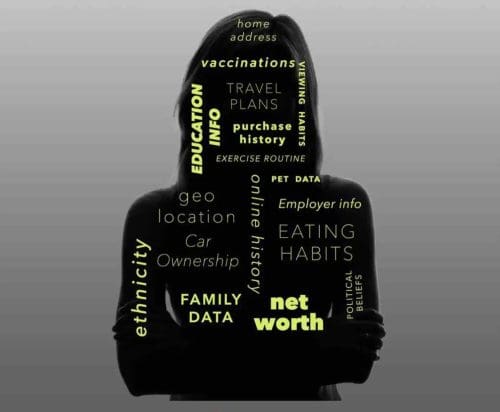
<p>Americans who believe their charitable contributions, political affiliation or the number of credit card transactions they made in the past 13 months are private matters were delivered a cold dose of reality this month.</p> <p>About two weeks ago, a Little Rock, Ark.-based data analytics and software company unveiled a website that allows consumers to take a firsthand look at the types and scope of online personal data that have been collected about them.</p> <p>And there's a lot.</p>
Do-Not-Track Bill A Small Step Toward Real Privacy

Do-Not-Track Bill A Small Step Toward Real Privacy

<div id="text-pages"> <div class="page" style="display: block;"> <p>In early 2011, Mozilla added a do-not-track feature in its Firefox browser that allowed users to clearly state that they didn't want their online activities monitored by websites and advertisers.</p> <p>Other browser vendors soon followed suit, including Microsoft, Apple and Google, seemingly handing consumers a simple way to protect their information that would persist no matter what new collection technology and techniques the industry invented.</p>
New California Rules Aim For Transparency In Online Campaign Material

New California Rules Aim For Transparency In Online Campaign Material

Campaigns will now have to report when they pay people to post praise or criticism of candidates and ballot measures on websites. SACRAMENTO — Under new rules approved Thursday, the state hopes to help Californians determine whether political material they read online is a writer's own opinion or propaganda paid for by a campaign. Campaigns will now have to report when they pay people to post praise or criticism of candidates and ballot measures on blogs, Twitter, Facebook, YouTube and other websites.
State’s New Rule: Campaigns Must Say When They Pay For Web Posts

State’s New Rule: Campaigns Must Say When They Pay For Web Posts

<p>SACRAMENTO — The state campaign watchdog agency acted Thursday to require political campaigns to report when they pay people to post favorable or unfavorable content on blogs, Twitter, Facebook, YouTube and other social media sites.</p> <p>The state Fair Political Practices Commission acted out of concern that the public might be deceived into thinking paid content on blogs that praises or criticizes a candidate is objective political commentary.</p>
Advertiser Group: Do Not Track Web Privacy Effort Is Dead

Advertiser Group: Do Not Track Web Privacy Effort Is Dead

<p><strong>Raising a big stink, the Digital Advertising Alliance withdraws from work to standardize how browsers tell Web sites not to track users' behavior. The DAA says it's doomed, but other ad groups remain involved.</strong></p> <p>Thwarted by irreconcilable differences, the Digital Advertising Alliance has withdrawn from an effort to standardize how browsers could tell Web sites that users don't want their behavior tracked.</p>