By Noah Baustin, POLITICO
YOU GET A PERMIT: If you sign it, they will drill.
So seems to be the truism of SB 237 (opens in new tab), the oil-production jewel of Gov. Gavin Newsom’s sprawling energy policy package last year. In the month since SB 237 became the law of the land, California has already issued almost twice as many new drilling permits for oil and gas wells as it did in all of 2025.
The law was a peace offering from Newsom to the oil industry, which he spent years bashing (opens in new tab) over high gasoline prices. But the move infuriated environmental organizations (opens in new tab), which want the state to go all-in on electrification. Now, they’re piping mad to see the law in action.
“California must move beyond fossil fuels, but powerful special interests are focused on drilling at all costs,” Kyle Ferrar, western program director at the FracTracker Alliance, an environmental group that tracks drilling activity, said in a statement.
In 2025, California’s Geologic Energy Management Division issued 17 new drilling permits for oil and gas wells, according to data compiled by Consumer Watchdog and the FracTracker Alliance. It issued 31 in January alone, according to CalGEM spokesperson Jacob Roper.
“The reason you’re seeing more new drill permits is the enactment of Senate Bill 237, which passed with bipartisan support to stabilize California’s gasoline supply and prevent price spikes, and address the need to maintain a safe, affordable, and reliable supply of transportation fuels during California’s clean energy transition,” Roper said in a statement.
The steep climb is a clear signal that green groups are on the back foot in California’s tug-of-war over how much to embrace, or shun, the oil industry. The drillers, on the other hand, are celebrating the clear difference SB 237 has already made.
“Since the law went into effect, CRC has received new well permits for the first time in years — returning to an environmentally comprehensive yet predictable permitting process — allowing CRC to adapt around market fundamentals while continuing to support the state’s energy needs and climate goals,” Jas Sajjan, senior vice president of government affairs for driller California Resources Corporation, said in a statement.
But Rock Zierman, CEO of the California Independent Petroleum Association, isn’t ready to pull out his party hat.
The new permitting figure is “a positive sign in January, but historically, it’s still extremely low,” Zierman said.
During the 2010s, CalGEM regularly permitted hundreds of new wells per month. The permitting pace dropped dramatically at the turn of the decade, falling from about 2,000 permits in 2020 to about 550 permits in 2021, according to POLITICO’s analysis of FracTracker’s data. That year, a judge ordered Kern County (opens in new tab), the heart of California oil production, to stop issuing permits amid a lawsuit against its streamlining rules.
New drill permits dropped again, down to 25, in 2023, the year an appeals court suspended (opens in new tab) the operation of the county ordinance.
With that history in mind, Zierman compares the current permitting spike to a football coach securing a two-win season after a one-win season.
“It’s true he’s increased the wins by 100 percent, but he’s probably still going to get fired,” Zierman said.
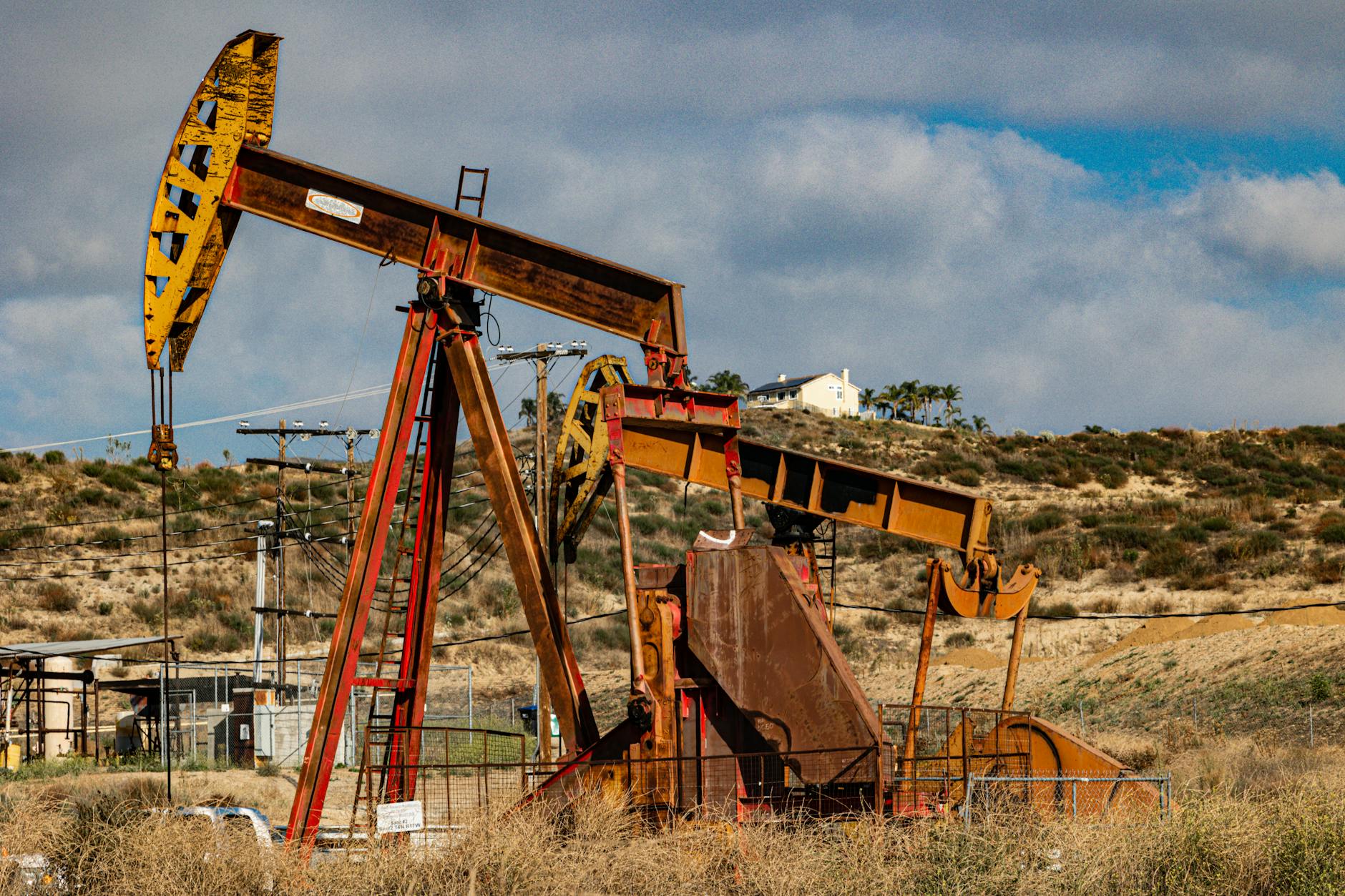
Of course, the year is young, and CalGEM is authorized to issue up to 2,000 new oil permits each year under Kern County’s streamlined system (now online after SB 237 codified the process in state law, neutralizing the lawsuit). There’s already signs that the initial data is just the tip of the pump jack. Chevron has received six new drill permits from Kern County so far this year, but has already submitted another 132 applications, according to company spokesperson Allison Cook.
But there’s plenty of headwinds for California’s oil industry, too.
Global crude prices have been low, cutting into the potential cash drillers could get for the product. Plus, their customer base, which is exclusively California’s oil refineries, is shrinking as Phillips 66 and Valero both idle facilities.
Business issues aside, there’s several California oil policy fights already shaping up for 2026.
Sen. Shannon Grove, who represents Kern County, wants California to revisit SB 1137 (opens in new tab), a 2022 law that requires new oil and gas wells to be at least 3,200 feet away from sensitive homes and neighborhoods. She said in an interview that the regulation was throttling drillers, but addressing it “is a very complicated thing in this building.”
People outside of the building are also picking up the fight. The Trump administration sued the state (opens in new tab) last month, arguing that the rule is unconstitutional. So did two Santa Barbara County siblings who are now barred from drilling on their land (opens in new tab).
Zierman also wants to push legislation that would tweak AB 1167 (opens in new tab), a 2023 law that requires companies that acquire new wells to put down deposits to cover the eventual cost of plugging the well down the road. That requirement has stifled sales, according to Zierman, who wants to change the policy to provide alternatives to providing all of the cash up front.
A coalition of environmentalists, meanwhile, is trying to document Newsom’s well approvals in the hopes that it will pressure him to take a stronger tack against the oil industry, and a stand against the Bureau of Land Management proposal (opens in new tab) to expand oil and gas development in California.
“The strategy is to show that Newsom’s talking out of both sides of his mouth when he approves new wells and that could be harmful for his political future,” Jamie Court, president of Consumer Watchdog, said. “Every new oil well opened up in California is a stain on his environmental credentials and will make him look like Trump-light with his base.” — NB