By Debra Kahn, POLITICO
https://www.politico.com/newsletters/california-climate/2024/09/04/its-the-politics-stupid-00177448
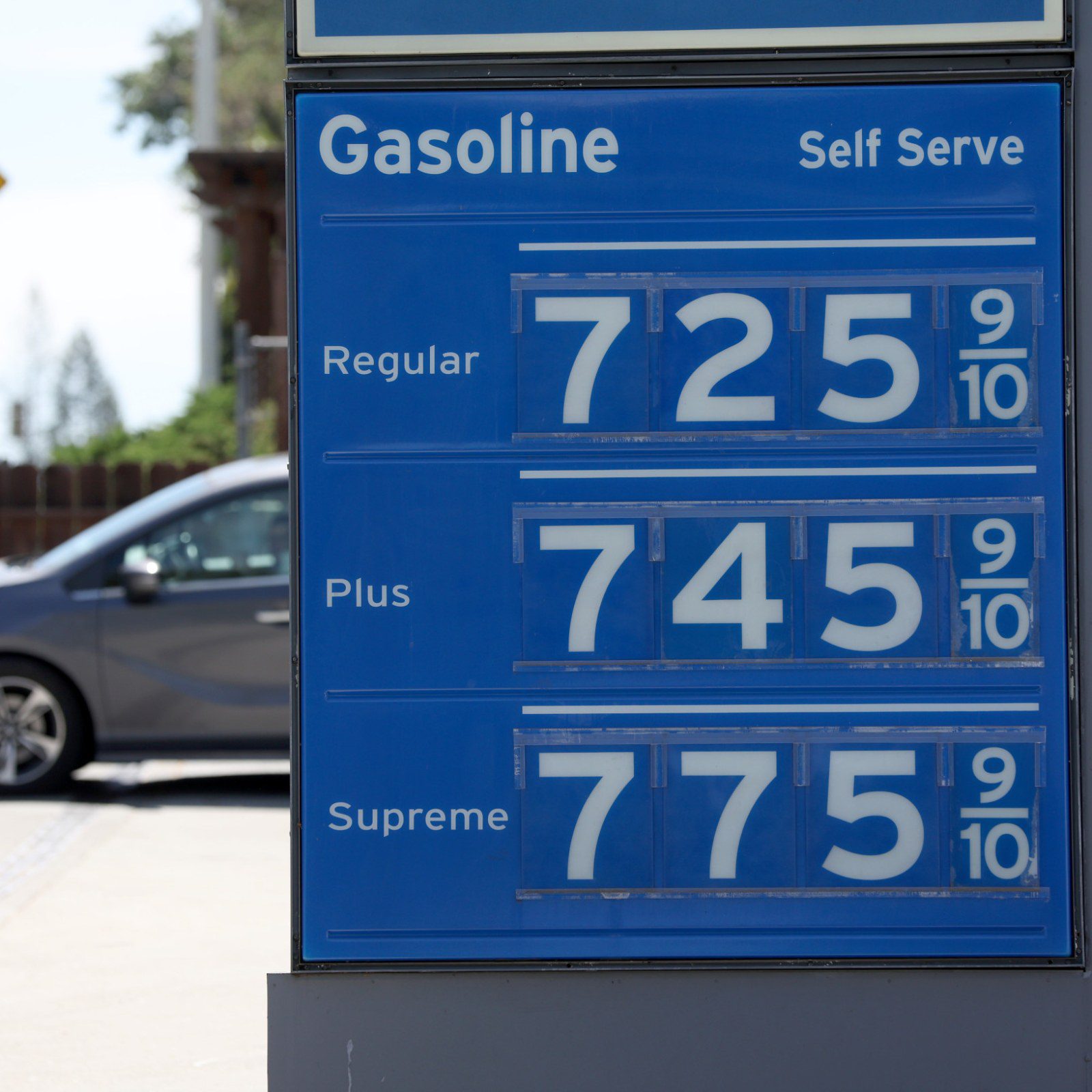
FAST THEN SLOW: What’s behind Gov. Gavin Newsom’s urgency around prices at the pump?
Even if Assembly Speaker Robert Rivas and Senate President Pro Tem Mike McGuire accede to Newsom’s special session demand to give the state more authority over refineries’ supplies, it won’t do anything to tamp down price spikes anytime soon.
The bill that Assembly lawmakers introduced Tuesday, AB 1 (opens in new tab), would create a committee at the California Energy Commission with the power to require refiners to keep more fuel on hand when they shut down for maintenance.
But the bill doesn’t have an “urgency clause” that would make it effective immediately. That means the soonest it could take effect is 90 days after it passes. And it would take much longer than that to get the agency panel up and going, judging by the amount of time required to implement the refinery profit-capping bill Newsom signed last year (opens in new tab).
“The probability of this passing and gas prices going down even a penny is virtually nonexistent,” said a person close to the discussions who was granted anonymity to talk frankly about the matter.
Here are four reasons why politics are driving a noisy election-eve debate over California’s gas prices:
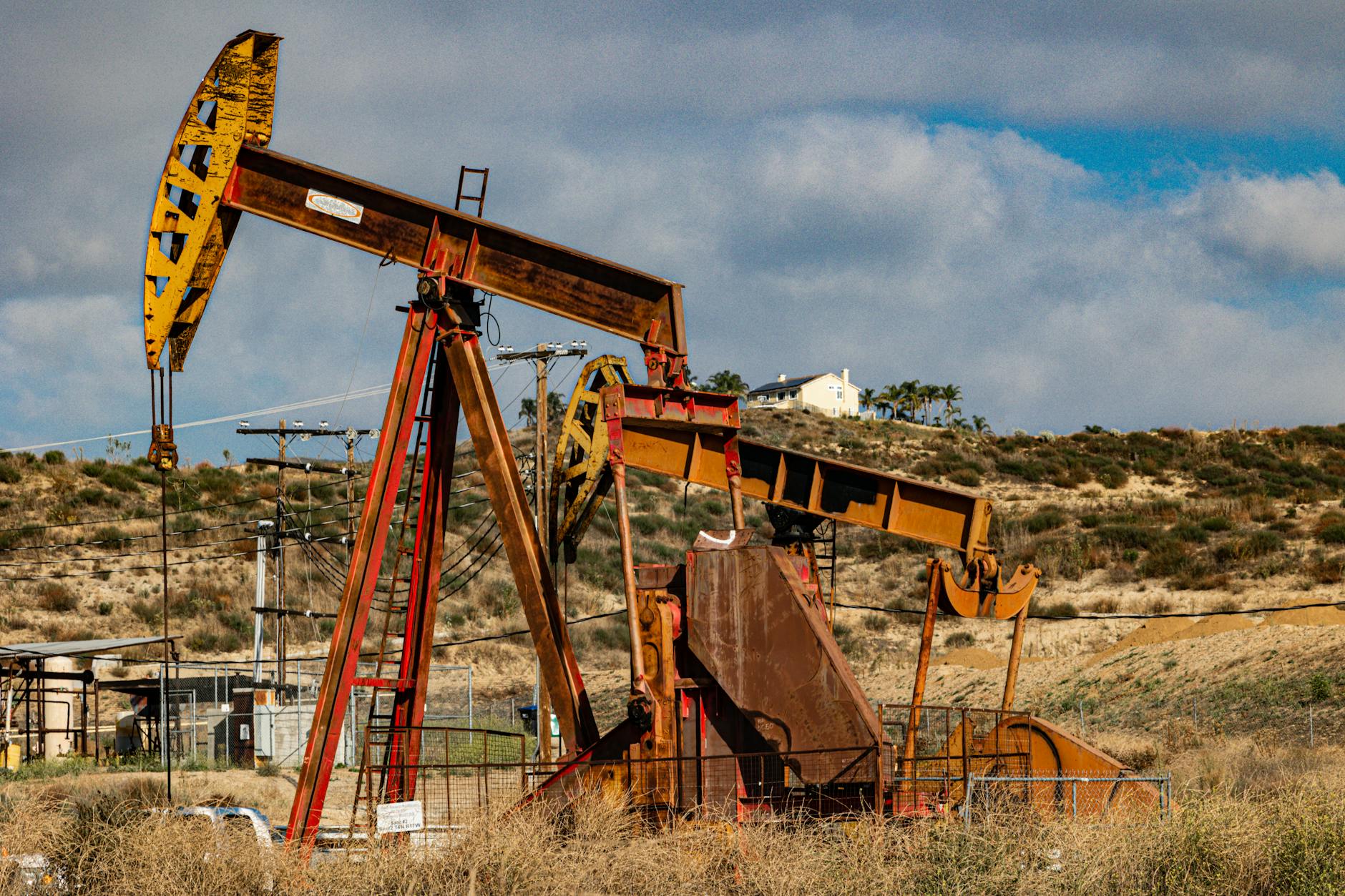
Newsom’s already in the middle of a fight: His offensive against Big Oil, now in its fourth year, has spanned a lawsuit (opens in new tab), a ballot initiative campaign (opens in new tab) and a ban on new gas-powered cars (opens in new tab).
Newsom sees an opportunity to draw a direct line between refinery outages and refinery profits in the gas price increases that often accompany refineries’ maintenance schedules and seasonal shift to winter-blend fuels.
“Billions and billions of dollars, hard working folks being fleeced by the greed of these oil companies,” Newsom said today at a press conference. “These price spikes go directly in their pocket.”
Newsom is more vulnerable than most: U.S. oil and gasoline prices are low right now and are expected to stay low (opens in new tab) through the election — and California is due for a drop, too, after refineries switch to their cheaper winter blend.
But California, with its isolated network of 10 refineries (opens in new tab) that produce the state’s special blend of cleaner gas, is particularly vulnerable to the effects of outages.
It would only take a few refineries going offline simultaneously to create supply shortages, according to Shon Hiatt, director of USC’s Business of Energy Transition Initiative.
“If the refineries end up doing their maintenance, like two or three of them at the same time, in September, [that] could lead to a short spike in prices,” he said.
Newsom is well aware of the refinery calendar. “We know this is the time of year that we have planned and unplanned refinery maintenance,” he said today. “Which spikes the cost of gasoline and spikes the profits of those that are doing the maintenance.”
He already has tools at his disposal: Severe price spikes haven’t been an issue since 2022, when prices reached $6.44 per gallon and Newsom convened his first special session to rein them in.
That resulted in last year’s SB 2 (opens in new tab), which gave the California Energy Commission the ability to set limits on refiners’ profit margins and penalize them for excess profits. But the commission’s new office set up to decide whether to recommend doing that hasn’t acted yet.
A workshop next Thursday (opens in new tab) will discuss “possible frameworks” for establishing a maximum margin and a penalty. CEC spokesperson Lindsay Buckley said Wednesday the agency expects to decide whether to move forward with it by the end of the year.
Winter is coming: Another gas price lever is also moving right around election time. The California Air Resources Board is scheduled to vote Nov. 8 on amendments to the low-carbon fuel standard, which sets a threshold for transportation fuels’ carbon content and lets suppliers buy and sell credits to meet their emissions targets. CARB estimated that draft changes (opens in new tab) it floated last year could increase gas prices by up to 47 cents per gallon in 2025 and 52 cents per gallon in 2026.
CARB later walked that back (opens in new tab), saying they hadn’t accounted for all types of fuels and that the program would save drivers money over time. The agency also recently noted (opens in new tab) that there’s “no correlation” between gas prices and LCFS credit prices and that the LCFS “is not a major driver of overall retail fuel prices in California.”
“I’m not a political scientist, but one could speculate that the governor is trying to bring this issue ahead, so that maybe the price increases that happen through the CARB increase could be just tagged and pushed onto the oil companies,” Hiatt said.
Jamie Court, president of the advocacy group Consumer Watchdog, which has been urging Newsom to act, concurred. “They’re going to deal with LCFS theoretically in November,” he said. “That will no doubt put upward pressure on prices. He needs these tools in his pocket in January.” — DK