By Eli Flesch, LAW360
https://www.law360.com/insurance-authority/articles/2303851
The concerns over State Farm General Insurance Co. — a subsidiary of State Farm Mutual Automobile Insurance Co. that largely serves homeowners in California — have also raised questions about when an insurer’s parent company should step in to provide financial assistance to a struggling unit. But insurer advocates said State Farm shouldn’t be obligated to cover its subsidiary’s losses when premium increases would do more to ensure the carrier’s health in California.
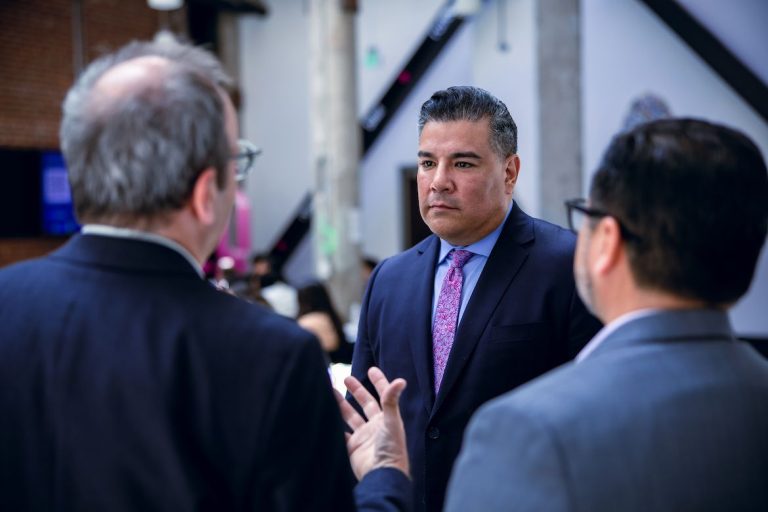
A meeting on Wednesday between top State Farm Mutual officials, Insurance Commissioner Ricardo Lara and the Consumer Watchdog group was the latest development in the dispute over the rate request. In the meeting, Lara pressed State Farm officials on the insurer’s claims-paying ability, and State Farm?said that the rate request is not to cover losses from the Los Angeles fires, which could total around $612 million after coverage from reinsurance. The insurer estimates it will sustain $7.6 billion in direct losses before those payments.
“Immediate interim approval is an indispensable and critical first step to eventually restoring the company’s financial strength,” the company said in a statement.
“Last year, one rating agency downgraded SFG’s financial strength rating due to its capital position,” it added. “With further capital deterioration as a result of the wildfires, additional downgrades could follow. If that were to happen, customers with a mortgage might not be able to use SFG insurance on the collateral backing for their mortgage.”
Last March, the insurer credit rating agency A.M. Best downgraded the subsidiary’s rating. On Wednesday, S&P Global Ratings put State Farm General on a credit watch with negative implications, citing weak underwriting performance.
Regulators within the California Department of Insurance also share concerns over State Farm General’s condition. On Feb. 7, an official with the CDI’s Rate Enforcement Bureau wrote to Lara, describing the carrier’s situation as “urgent” and recommending that he move expeditiously to approve State Farm General’s interim rate request. That rate increase could be subject to refunds pending further hearings, said the official, Assistant Chief Counsel Nikki McKennedy.
At Wednesday’s meeting, McKennedy said that she believed State Farm had not yet given the CDI satisfactory answers how it’s justifying its proposed rate applications.
“But what we have determined is that they made a preliminary showing that they can get the interim rates subject to refunds with interest, if necessary,” she said.
Some experts, however, say the whole picture still isn’t clear. In requesting Wednesday’s informal meeting in a Feb. 14 letter, Lara asked State Farm General to further explain its financial condition, and whether its parent could offer support. In a letter on Tuesday to Lara, State Farm Mutual said that beyond a rate increase, other plans or actions wouldn’t be sufficient to restore State Farm General’s financial position.
“Without the necessary financial strength or the demonstrated capacity to improve it, the only meaningful measure remaining is continuing but more drastic reduction in overall exposure,” the parent company’s senior officials said, urging immediate approval of its interim rate request, initially proposed on Feb. 3.
In the Wednesday meeting, State Farm Mutual Treasurer Mark Schwamberger said, “We still sit in a position where we don’t have the prospective ability to generate capital,” according to a transcript of the meeting released Thursday by the CDI.
Questioned by Lara on whether State Farm General’s surplus wouldn’t affect its ability to pay claims, Schwamberger said the insurer’s ability to handle the L.A. fires wasn’t in question, partly due to a very “robust” reinsurance program, as he described it.
State Farm was one of the first carriers to say it was suspending the sale of new homeowners policies in California, and several rate requests dating to last year were submitted under a procedure in California insurance code that Lara said is rarely utilized unless an insurer’s solvency is at issue.
In addition to the emergency request, the subsidiary last year asked California regulators to approve rate increases of 30% for nontenant homeowners insurance, 41.8% for renters and condominium owners, and 38% for rental dwelling insurance, according to Lara’s Feb. 14 letter seeking the “informal” hearing with State Farm.
Consumer Watchdog has argued that all of those proposed rates are unjustified.
“Forcing policyholders to recapitalize the company in order to maintain State Farm’s credit rating, without any return on their investment, is improper under the law,” an attorney for Consumer Watchdog wrote in a Feb. 7 letter to McKennedy of the CDI’s Rate Enforcement Bureau.
“This is especially true given that State Farm is a wholly-owned subsidiary of SFMAIC, which has $194 billion in reserves and surplus,” the Watchdog attorney wrote.
State Farm General’s surplus declined $300 million in 2024 to $1.04 billion at year’s end. The L.A. fires will decrease its surplus by about another $400 million, the insurer said in its Tuesday statement, cautioning that its recent figures were subject to revision.
State Farm was particularly vulnerable to a major fire in the L.A. area, given its underwriting of properties in high-risk zones. It had previously canceled a number of policies in the Pacific Palisades, a wealthy neighborhood decimated by the fires. But the carrier had exposure to disasters all over California, according to experts.
“State Farm was kind of the last one standing in a lot of the rural areas where all the other competitors had fled,” Amy Bach, director of the consumer advocacy group United Policyholders, told Law360. “It was like: FAIR Plan, non-admitted, or State Farm.”
The FAIR Plan is California’s insurer of last resort, made up of private insurers, offering relatively more expensive coverage for more limited protection. Non-admitted carriers are those that can conduct business in California but don’t have to file rates with the Department of Insurance.
That exposure Bach described, coupled with high losses, has led to a drain of State Farm?General’s policyholder surplus, according to Rex Frazier, president of the Personal Insurance Federation of California, a lobbying group that represents California carriers. He told Law360 that in addition to fires, winter storms weighed on the carriers’ business.
For the California Department of Insurance to factor in parent company assets in weighing a rate request would be illegal, he told Law360, pointing to a 2021 appellate court decision in State Farm General Insurance Co. v. Ricardo Lara et al. That ruling held the commissioner to be in error for using the investment income of the subsidiary’s out-of-state affiliates in ordering the insurer to refund premiums in a rate dispute.
“The rate formula applies to a licensee, and in this case the licensee seeking the interim rate relief is State Farm General, and they have the capital that they have,” Frazier said.
Carmen Balber, executive director of Consumer Watchdog, said that State Farm General’s reinsurance returns lagged behind other homeowners insurers in California, and that the company hasn’t produced evidence to show whether it’s overpaying for coverage from its parent, State Farm Mutual Automobile Insurance Co.
“There’s a lot of questions about how State Farm got in the position where their surplus is deteriorating, and nobody questions that,” Balber told Law360 in an interview. “The company has not adequately explained why that [reinsurance] transaction shouldn’t be considered some sort of excess benefit agreement with the parent company.”
Other climate-focused experts have noted that despite high industry losses, and negative outlooks for the industry, property insurers on the whole have significant capital on hand to help cover losses. Underwriting losses don’t tell the whole story, they say.
“The National Association of Insurance Commissioners’ latest property and casualty insurance industry profitability report showed that this industry has been fantastically profitable, even as the climate crisis has escalated,” said Jordan Haedtler, a consultant and insurance researcher with Climate Cabinet, which advocates for green policy.
The property and casualty insurance sectors’ policyholder surplus stood at an all-time high of $1.14 trillion as of June 30, 2024, the NAIC said in a midyear report last year. That surplus refers to the funds carriers have on hand to pay out claims, after liabilities.
It’s also not unprecedented that a carrier’s parent company would help a subsidiary.
“A lot of times I’ve seen over the years — and this is not a State Farm-specific commentary — the parent company may have to downstream some money to make sure that individual company that has suffered these losses within their organization is fortified, so that they can uphold the promise that they have to their policyholders,” said David Blades, a senior analyst with A.M. Best.
Insurers frequently operate state subsidiaries, but it’s not the rule that all lines of business be conducted by those affiliates. Allstate, Frazier noted, sells insurance in California through the national carrier. State- level carrier subsidiaries are popular given that insurance in the United States is regulated state by state, with different rules for each.
What happens next for State Farm’s emergency rate request is an open question, but there are indications it won’t be outright denied.
A spokesperson for the CDI responded to questions from Law360 on Wednesday’s meeting by saying a transcript of the commissioner’s press conference following the meeting would address them, but?that transcript wasn’t immediately available Thursday. CalMatters, a nonprofit news organization in California, reported the commissioner said he would carefully consider the request. Lara also said that he hoped to reach a decision within two weeks, according to CalMatters.
A spokesperson for State Farm Mutual referred Law360 to a company statement on the Wednesday meeting: “Today we took the opportunity to reiterate with Commissioner Lara the urgency needed to approve State Farm General’s interim rate request so that State Farm General can continue helping California customers.”
–Editing by Bruce Goldman and Nick Petruncio.