
Case Overview
Consumer Watchdog, together with co-counsel, has filed a federal class action lawsuit challenging what we allege is an unlawful scheme by California’s largest oil refiners to inflate gasoline prices by embedding premature and unjustified Low Carbon Fuel Standard (“LCFS”) costs into prices at the pump.
The lawsuit alleges that beginning January 1, 2025, refiners increased reported LCFS compliance costs by approximately 7-11 cents per gallon—even though:
- LCFS credit prices had not increased; and
- New LCFS regulatory amendments did not take effect until July 1, 2025.
According to the complaint, this premature surcharge generated hundreds of millions of dollars in overcharges to California consumers during just the first five months of 2025.
What Is the Low Carbon Fuel Standard (LCFS)?
California’s Low Carbon Fuel Standard is a climate policy designed to reduce greenhouse gas emissions from transportation fuels.
In simple terms:
- Every transportation fuel (gasoline, diesel, ethanol, electricity, hydrogen) has a “carbon intensity” score.
- California sets a declining carbon-intensity target each year.
- If a fuel is cleaner than the target, it generates credits.
- If a fuel is dirtier than the target (like conventional gasoline), the producer must buy credits to make up the difference.
This creates a market system:
- Cleaner fuels are rewarded.
- Higher-carbon fuels pay a compliance cost.
- Credit prices are determined through trading in a regulated market.
For gasoline refiners, LCFS compliance typically results in a per-gallon cost that reflects the market price of LCFS credits multiplied by their fuel’s carbon intensity deficit.
Why Accuracy Matters
The entire LCFS system depends on accurate reporting and real compliance costs.
If refiners inflate reported LCFS costs:
- Consumers may pay higher prices than justified.
- The public may mistakenly blame climate policy for price spikes.
- The environmental signal of the program is distorted.
The lawsuit alleges that refiners embedded future projected LCFS compliance costs into gasoline prices months before those costs were legally required—turning anticipated regulatory changes into immediate profits at consumers’ expense.
What This Case Is About
California’s LCFS program is designed to reduce greenhouse gas emissions by requiring fuel producers to purchase credits if their fuel exceeds carbon-intensity targets. When functioning properly, LCFS costs reflect real market prices for credits and real regulatory obligations.
This case alleges that five dominant refiners:
- Simultaneously increased reported LCFS compliance costs starting January 1, 2025;
- Passed those increased “costs” directly through to consumers at the pump; and
- Did so before any new LCFS requirements became effective.
The complaint alleges violations of:
- The California Unfair Competition Law (Bus. & Prof. Code § 17200);
- The Cartwright Act (California’s antitrust law); and
- Section 1 of the Sherman Act (federal antitrust law).
Why It Matters
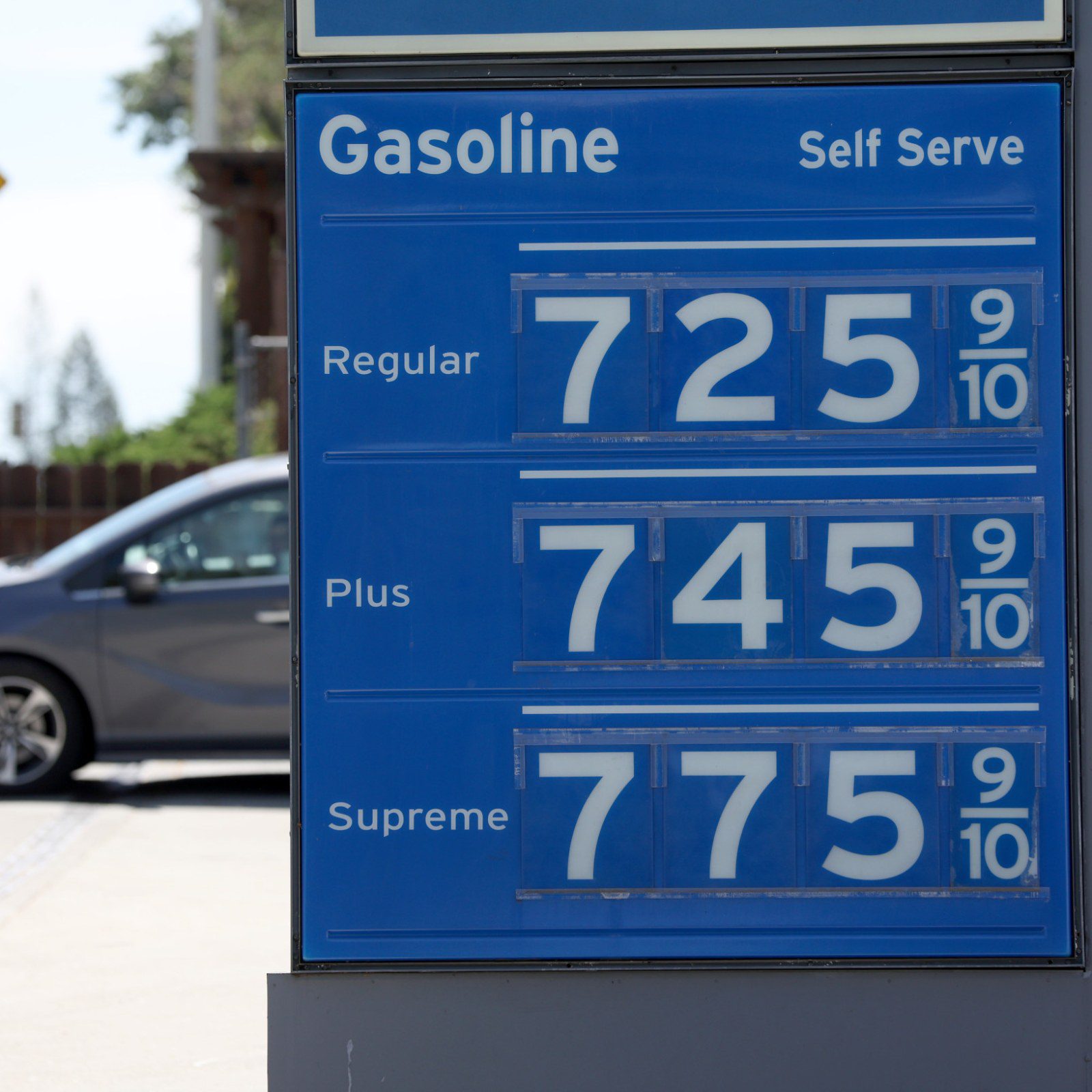
California drivers purchase more than 13 billion gallons of gasoline annually. A 5–8 cent per gallon overcharge translates into hundreds of millions of dollars transferred from families, commuters, and small businesses to refiners.
The lawsuit further alleges that:
- The five defendant refiners collectively control approximately 97% of California’s gasoline supply.
- California’s “gasoline island” market structure makes coordinated pricing particularly harmful.
- State regulators identified a 7-cent reported increase in LCFS pass-through beginning January 1, 2025, despite declining LCFS credit prices and no effective rule change.
This case seeks to protect both consumers and the integrity of California’s climate programs. Inflated or misreported compliance costs undermine public trust and distort the purpose of environmental policy.
The Relief Sought
Plaintiffs seek:
- An injunction requiring truthful LCFS cost reporting and corrective action;
- Restitution and disgorgement of unlawful overcharges;
- Treble damages under the Cartwright Act; and
- Attorneys’ fees under California’s private attorney general doctrine.
Case Information
Case Name: Herold et al. v. Chevron U.S.A. Inc., et al.
Court: United States District Court, Northern District of California
Case No.: 3:25-cv-10282
Key Filings
- First Amended Class Action Complaint (Filed February 4, 2026)
Status
The case is pending. Consumer Watchdog will continue to provide updates as the litigation proceeds.
If you purchased gasoline in California between January 1, 2025 and May 31, 2025, and believe you were affected, please check back for future updates regarding class certification and case developments.