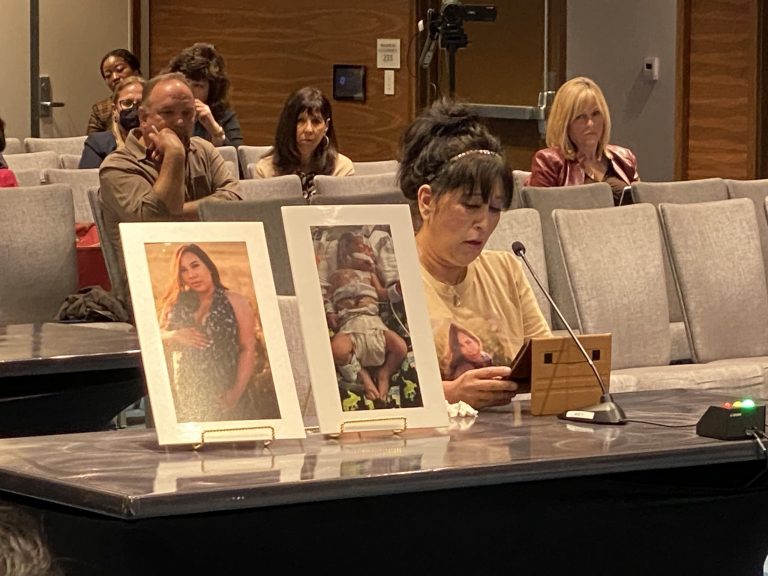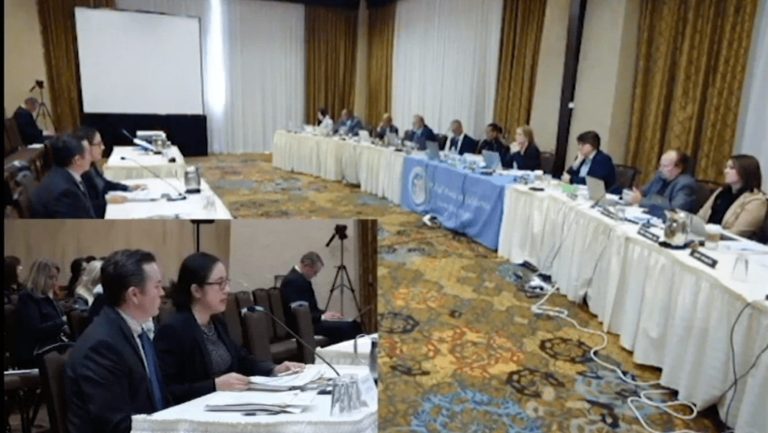

Bakersfield, CA – Thursday marked the beginning of opening statements, led by the plaintiff’s attorney Courtney Rowley of Trial Lawyers for Justice, in the trial over the death of Demi Dominguez. She talked about the business of hope, emphasizing how justice serves as a beacon of that hope. To illustrate this, Rowley showed pictures of Demi Dominguez and baby Malakhi De Leon, as well as an ultrasound video and a gender reveal celebration featuring Demi and Malakhi’s father Xavier De Leon. These visuals moved the jurors to tears. Rowley painted a picture of Demi’s life, detailing her relationship with Xavier and setting the stage for the events that led Demi to seek medical care at Mercy Southwest Hospital, where Arthur Park was the on-call doctor responsible for her treatment.
Courtney Rowley shed light on the serious condition of preeclampsia and how it attacks the vital organs. She outlined the early warning signs, including high blood pressure and protein in the urine. If not addressed, preeclampsia can severely impact the brain, potentially resulting in seizures, as tragically happened in Demi’s case. Rowley underscored that both preeclampsia and its more severe forms are treatable diseases, highlighting that these two deaths were entirely preventable. When a patient presents with a blood pressure in the 140 to 160 range, it is crucial to keep the mother in the hospital instead of discharging her. Administering IV magnesium treatment is essential to ensure the safety and well-being of both the mother and the baby. Once a mother is diagnosed with preeclampsia with severe features, the only viable option is to proceed with delivering the baby for their health.
She described how Arthur Park was trained in Korea and did not have a license to practice in California or anywhere else in the United States.
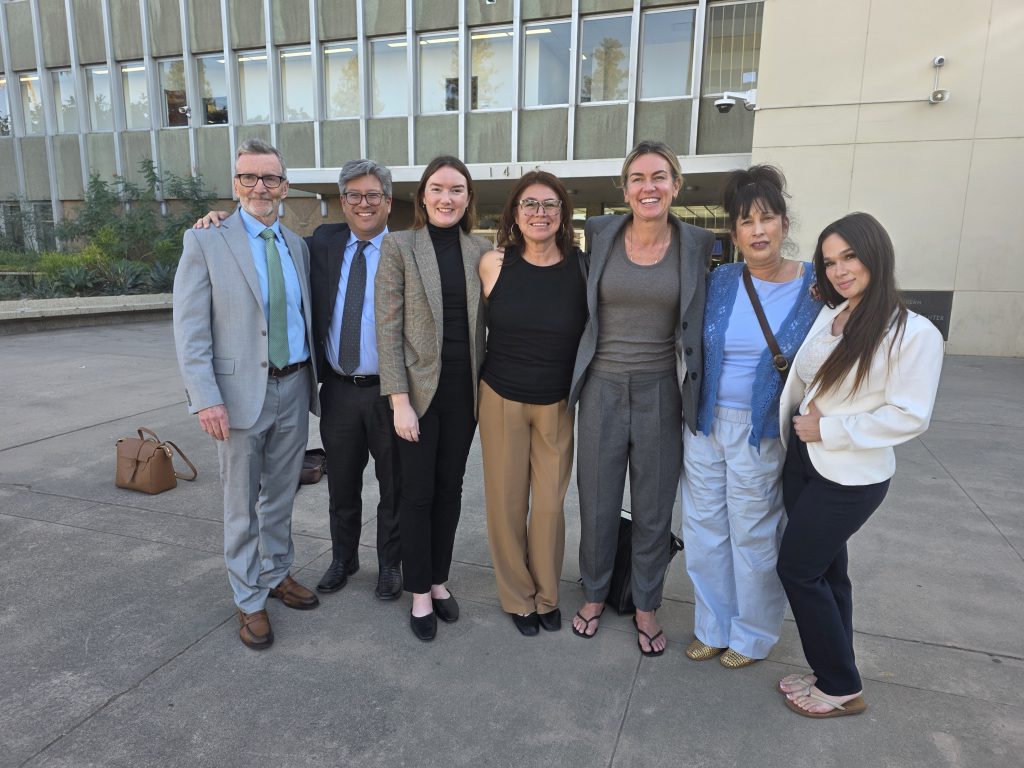
Rowley emphasized that a systolic blood pressure reading of 140 signals preeclampsia, and a reading of 160 indicates preeclampsia with extreme features. She stated that had Demi received treatment within the standard of care, she would be alive today.
Arthur Park made his opening statement.
The judge made it clear to the jury that Arthur Park was representing himself without legal counsel. Arthur Park focused on the impact that nervousness and emotional stress can have on a person’s blood pressure. He elaborated that when a patient is engaged in conversation, leaning against the bed, or visibly distressed by certain news, these situations can lead to an increase in blood pressure levels. Park argued that he was not informed about the patient’s blood pressure readings. He claimed he arrived at Demi’s hospital room at 6:30 AM, but the nurses instructed him not to enter because the patient was asleep. They assured him that everything was fine and did not tell him that there was a problem. He emphasized that he is not always in the hospital, and that he must trust what the nurses do. Based on the information the nurses provided him, Arthur Park verbally discharged Demi, prescribing her blood pressure medication, and advised her to follow up with Dr. Yu in a few days. Park clarified that he was not Dr. Yu’s partner; he was simply a private contractor. He stated that the care of the patient lies with Dr. Yu, as his responsibility concluded when she left the hospital. He pointed out that, according to Valley Children’s Hospital, both the mother and baby died during the seizure.
After Arthur Park delivered his opening statement, the jury watched video clips from his deposition. In these clips, Park predominantly shifted the blame onto the nurses, asserting that they assured him everything was fine, and he chose to trust them. When questioned about whether he could have asked the nurses to present the lab results, he acknowledged that he could have but he didn’t. He also admitted he did not consider the timing of the elevated blood pressure readings, which were four hours apart. Park claimed the nurses didn’t contact him and expressed that he wasn’t going to wake up at 2 a.m. to review lab results. He maintained that he did not see the lab results until after the patient was discharged.
Following a recess, Dr. Michele Milovina, a medical expert, began her testimony with the message: all women, whether in San Diego or Bakersfield, deserve the standard of care. She outlined that a blood pressure reading of 140 or higher over 90 or higher, recorded at least twice within a four-hour timeframe, is an indication of preeclampsia. In cases where blood pressure reads 160 or higher over 110 or higher, this is a medical emergency that requires immediate attention, with no need to wait for the four-hour mark. Dr. Milovina stressed that the appropriate standard of care for a preeclamptic patient is hospitalization with the administration of IV magnesium. Simply providing blood pressure medication is not sufficient to safeguard the patient’s health. During Demi’s hospital stay, a total of 140 blood pressure readings were documented, with 29 of those being alarmingly high at 140 over 90 or more. That tells me that the patient is suffering from preeclampsia. Five separate blood pressure readings reached 160 or higher. At 4:45 PM, Demi exhibited three or four elevated readings, which prompted the nurses to contact Arthur Park. It was at this point that Park ordered blood pressure medication. However, the lab results revealed that her protein/creatinine ratio was 1.2, which is four times above the normal level. While the nurses are authorized to relay blood pressure and lab results over the phone, the final responsibility for patient care rests with the physician. Had Park met the standard of care, Demi would have been hospitalized and given IV magnesium, and she would have survived.
During cross-examination, Arthur Park asked the medical expert: did she believe a post-mortem cesarean section should have been performed on Demi? She answered yes. Park then asked if she thought Malakhi was in pain or suffering after delivery. The expert noted that her expertise did not extend to pediatric care, making it impossible for her to answer definitively. Later, during cross-examination by the plaintiff’s lawyer, the expert was confronted with the issue of the doctor’s duty to communicate the case’s severity to Dr. Yu. The expert made it clear that she felt Arthur Park’s failure to convey the seriousness of Demi’s condition to Dr. Yu fell below the standard of care.
After 3 PM, Tracy Dominguez, Demi’s mother, took the stand. She shared how she grew up in Bakersfield, portraying how Demi was the missing puzzle piece that completed their family and filled their lives with joy. Tracy recalled Demi’s graduation day from Bakersfield College, a bittersweet occasion since her father was hospitalized and unable to attend. Demonstrating her love and commitment, Demi dressed in her cap and gown and visited his bedside to share a special moment with him before the ceremony. When her lawyer posed a question about what she would say to Demi if she could wave a magic wand, Tracy’s response resonated deeply: she would express how much she missed her, how much she loved her, and tell her how Demi was her heart, her strength, and her everything letting her know she was so proud of her.