
For its quarterly meeting today in San Diego, the Medical Board of California provided an update regarding AB 408 (Berman), a bill aimed at re-establishing a confidential doctor substance use program at the Medical Board. In a recent hearing of the Senate Business and Professions Committee, legislators voiced significant concerns with AB 408 and underscored that there remains substantial work to be done on AB 408. In response to concerns expressed by legislators, the bill has been transformed into a two-year bill, pausing any further action until 2026.
In today’s meeting, the Medical Board documented their response to the concerns raised by AB 408 opponents.
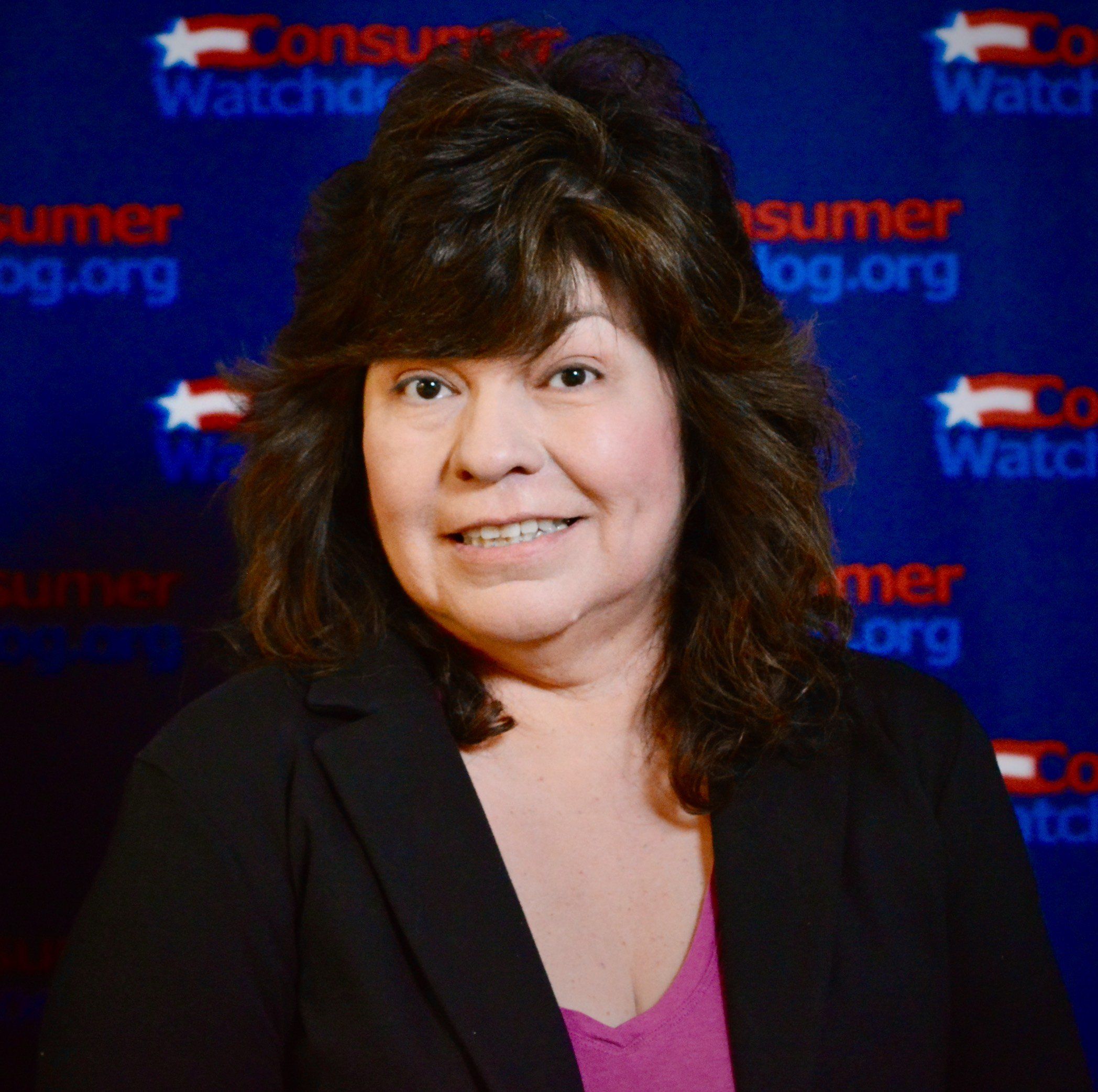
Consumer Watchdog Kathy Olsen Patient Advocate Michele Monserratt-Ramos issued the following statement today during the Medical Board of California’s Quarterly Board meeting, setting the record straight about how AB 408 places patients at risk:
Consumer Watchdog’s Comments at the August 2025 Medical Board Meeting Concerning AB 408 and the Medical Board’s Response to the Public’s Concern about The Bill:
We were pleased to see that AB 408 was held over for next year, as legislators acknowledged the considerable work still required on this bill. We hope to work with you to amend it so it does not adversely affect more lives, as the last program did for Lloyd Monserratt, Tina Minasian, and other Californians.
However, we must respond to the analysis’s misrepresentation of patient advocates’ concerns. They center on how AB 408 places patient safety at risk.
The materials claim the program is not a risk to patients because it seeks to prevent unsafe practice. However AB 408 poses a risk to patients because it makes no distinction between doctors who actually volunteer to go into treatment – those who are early interventions – and doctors who are referred to a program by the Board due to a patient complaint, arrest, or 805 report and the doctor faces Board discipline. These doctors already pose a patient safety risk. AB 408 lumps them in with doctors who have never been reported to the Board when they should not be treated the same.
While we encourage early intervention before a physician is unsafe to practice, AB 408 goes far beyond that to shield doctors whose actions already threaten harm.
You claim that allowing participants to bypass the Uniform Standards would effectively encourage doctors to seek help early; but this claim is not supported by facts. The former diversion program had no Uniform Standards and had the same confidentiality that AB 408 would replicate, and the participation rate was still low. It attracted only about 250 substance-abusing doctors at any given time, despite estimates indicating that as many as 10,000 to 15,000 physicians in California will at some point abuse substances.
You claim the program is not secret, but AB 408 mandates secrecy in several ways. The bill leaves it to the program and the doctors who enter treatment to decide what a program violation is and what gets reported to the Board. The bill does not say a doctor’s positive drug test, skipped drug test, or other violation must be reported back to Medical Board enforcement staff for action. And the bill exempts participating doctors from the Uniform Standards, eliminating that transparency.
The bill also creates a diversion committee charged with making decisions about participants without input or approval of Board management or enforcement staff. Some individuals who withdraw, or are terminated from, the program may be reported to the diversion committee without revealing any identifying information. This prioritizes the confidentiality of substance-abusing doctors over patients.
You claim AB 408 improves on the old failed program that allowed doctors using substances to continue practicing, but in fact it repeats its mistakes.
You acknowledge that the former program failed due to underfunding and poor management – Yet by identifying NO funding and NO viable financial plan, AB 408 sets the program up for the same staffing shortages and oversight failures that ended the last program.
We notice the materials contain a letter supporting AB 408, but do not include patient comments. After the meeting, I will provide copies of our detailed concerns to staff for distribution to all Board members so you can read for yourselves how the bill in its current form fails patients and must be improved.
Read Consumer Watchdog’s letter to the Senate Business and Professions Committee opposing AB 408 here.
The Medical Board’s AB 408 legislative analysis can be found here.