Gavin Newsom learned a lesson from Jerry Brown’s last year in office. He saw how Brown’s refusal to deal with the supply side of oil and limit oil drilling tarred his credentials as a climate reformer. Newsom didn’t want that to happen to him. So, he embarked on six years of pushing for strong reforms from stopping fracking to creating a public health setback between drilling and communities to empowering the California Energy Commission to investigate and regulate a handful of price-gouging refiners controlling virtually the entire gasoline market.
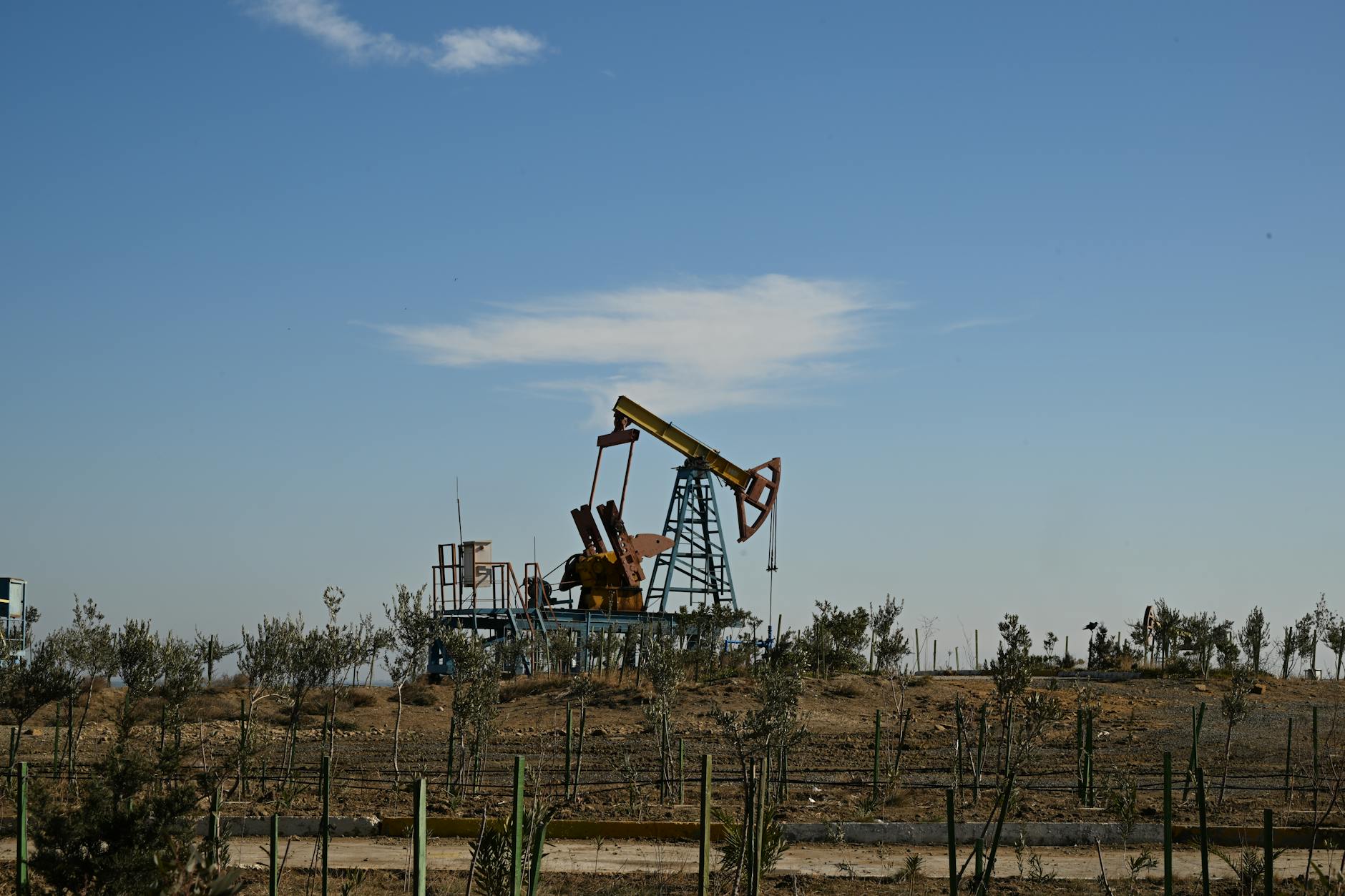
Also among the triumphs: three new oil drilling permits were approved in the first quarter of 2025, and zero permits were approved to drill new wells in the second and third quarters—continuing a downward trend. Even when Kern County’s drilling ordinance was in full force from 2015 to 2019, before legal challenges that stalled the county’s ability to issue new oil drilling permits until now, oil production continued its steady decline, according to analysis by the FracTracker Alliance.
But then, this year Newsom left the oil accountability movement in four major ways. First, he reversed course on a price gouging penalty that the CEC was considering and that he had called for himself. Phillips 66 and Valero announcements about shuttering refineries in Los Angeles and Benicia respectively scared Newsom after refiners said a penalty would lead to making less gasoline and higher pump prices, although thankfully talk of a refinery bailout for Valero died under fire from environmental and public interest advocates.
Second, Newsom embraced SB 237 (Grayson) this year that is expanding drilling in Kern County to allow at least 2,000 new drilling permits a year in a needless giveaway to oil producers. The law enables new drilling approvals without repeated court challenges under the California Environmental Quality Act, gutting public environmental review. And, as the oil industry consolidates, Newsom hasn’t bothered to make regulators follow laws such as AB 1167 (Carrillo) requiring oil companies acquiring other oil companies to pony up required bonding of up to $30 million.
In the latest fiasco, Newsom has not required regulators to impose new, higher bonding requirements on a deal involving California Resources Corp.’s acquisition of Berry Petroleum. In an earlier deal, regulators lowered bonding to $30 million when that oil giant acquired Aera Energy. Now, California Resources will own nearly half of all idle wells in the state that would cost $1.6 billion to plug today—leaving California consumers holding the bag. It would cost more than $4 billion to plug all the wells that the oil giant now owns.
Third, Newsom blessed and the legislature passed the creation of a giant Western electricity grid, exposing California consumers to electricity price gouging, having to pay for coal power, and the federal preemption of California’s public heath, environmental and cost containment laws. The law, AB 825 (Petrie-Norris) gives a blank check to energy traders controlling the regional organization to charge whatever the market will bear and whatever polluters want as power sources in an Enron-style redux. Newsom’s belief that a regional grid will reduce prices is a hallucination based on other Eastern regional markets where a group of nine bipartisan governors is in open revolt over huge spikes in power costs.
Fourth, Newsom’s embrace of oil industry proposals to build Carbon Capture and Storage (CCS) technology onto existing operations as a “critical pillar” of California’s climate efforts is deeply troubling. CCS projects can cost hundreds of millions of dollars but the technology captures from smokestacks only a fraction of the carbon promised while failing to address other harmful pollution from fossil fuel operations. Instead, CCS presents a greenwashing bonanza for oil producers to extend their fossil fuel lives when it is well-documented that switching to renewables is cheaper and more efficient.
In a related development, Newsom also failed to veto legislation enabling dedicated compressed carbon pipelines upon which CCS technology depends. This year, the legislature lifted a partial moratorium on the construction of the dangerous pipelines to carry compressed carbon away from oil fields and refineries for burial in geologic formations or sale to industry. No odorant was required to make sure people were warned of leaks. Compressed carbon is a high-pressure rupture risk and a potentially lethal asphyxiant. Pipeline ruptures can lead to clouds that displace oxygen, causing convulsions and potentially death for those exposed while stopping cars and ambulances in their tracks as happened in the hamlet of Satartia, Mississipi in 2020. Scores of miles of these pipelines have already been proposed in California.
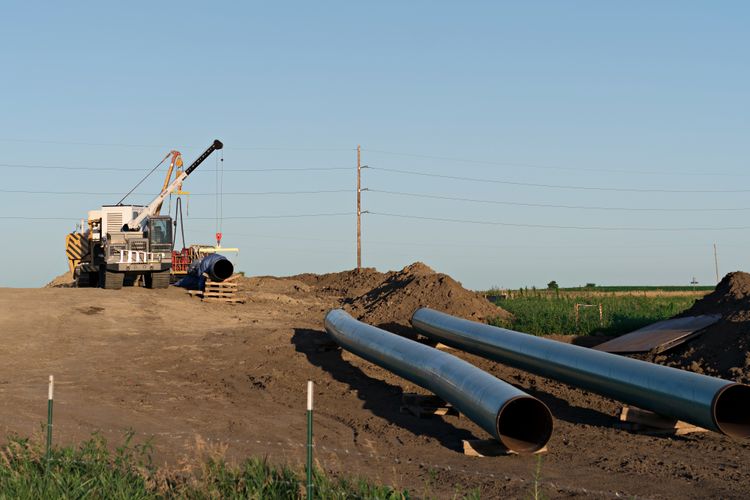
But the fight against fossil fuels is far from over. The era of Big Oil is sunsetting, so it remains to be seen whether oil producers apply for Kern drilling permits—and act on them when they are granted. And the outcomes of skirmishes along the way to defeating fossil fuels could favor Californians. A new pipeline that will for the first time bring refined products into the state from East to West has been announced by Phillips 66 and Kinder Morgan. The state should help speed its permitting so that it can be operable as soon as possible to help inject competition into gasoline deliveries and blunt price spikes. It’s slated to begin operating in 2029, and the companies are signing commitments with shippers now.
The CEC has been working up a transition plan away from gasoline in stages and the public should see the next iteration in March 2026. It’s still developing rules on refiner resupply plans and minimum inventories. The commission has been foot-dragging but has all it needs to impose the rules now. The faster the better as the rules will help cut off at the knees refiner tactics to slow ships delivering gasoline when refineries go down. The rules will help temper price increases and buy time to hone a transition plan.
And the oil well setback law is in effect—and being respected. No new well is allowed to be permitted within a half mile of a community. That’s a huge advance. Moreover, LA oil wells will be shut down under AB 2716, Isaac Bryan’s bill that closes the bulk of oil wells in LA County in the Inglewood Oil Field, the largest urban oil field in the U.S.
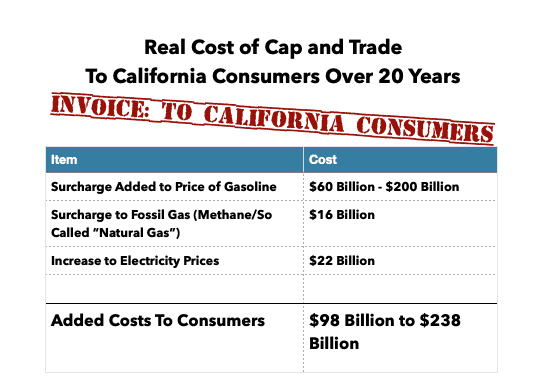
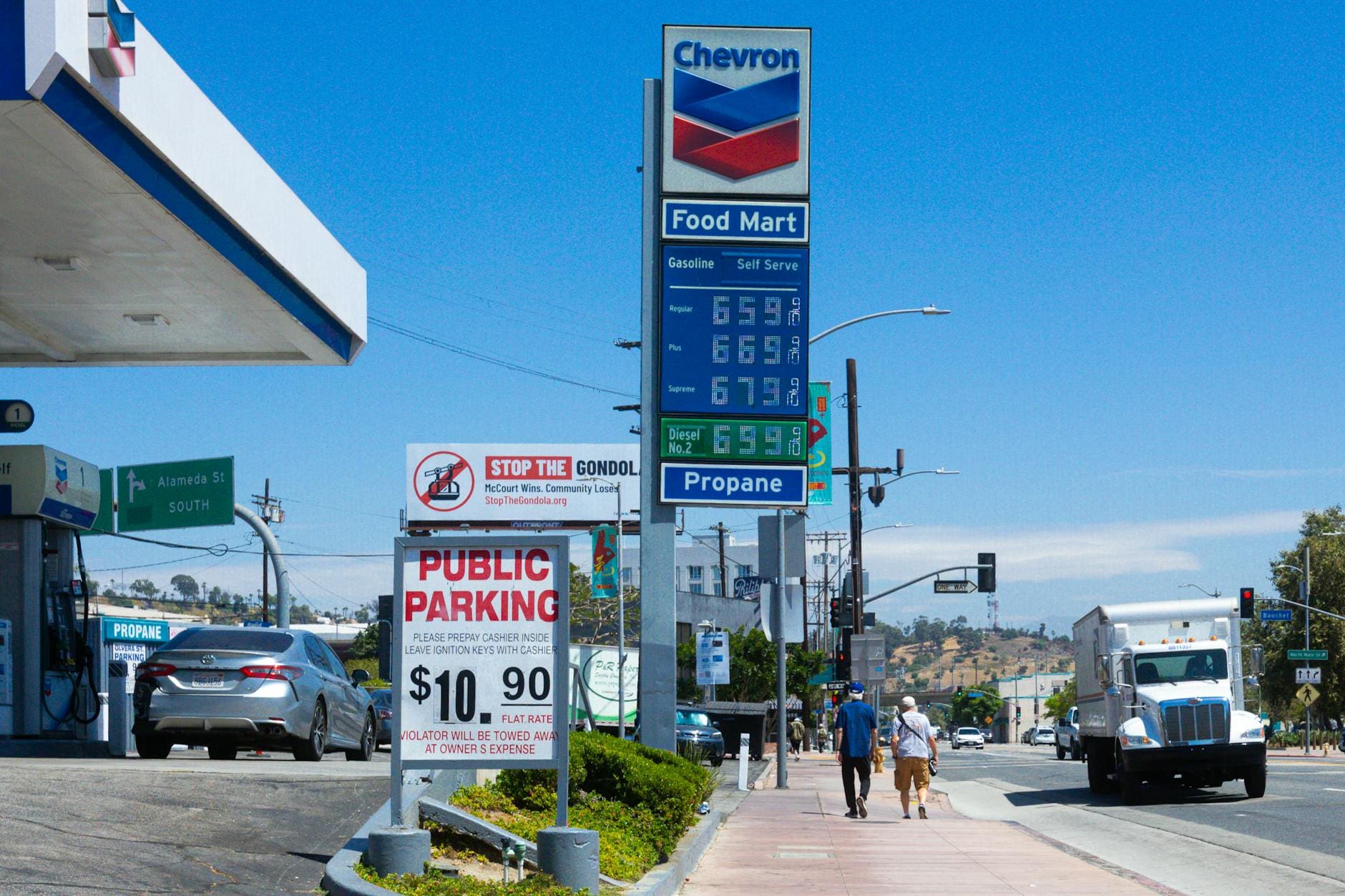
The CEC has trumpeted the fact that Californians have overpaid at the pump to the tune of $59 billion from 2015 through 2024. That’s a number that will stick in the collective mind. What hangs in the balance is a cheaper, cleaner fossil free future and the political will to make it happen. Newsom may have bailed out of the oil accountability movement, but it’s bigger than him and its momentum too powerful to stop.