Phoenix Business Journal (Arizona)
With the specter of $4 per gallon gasoline lurking on the horizon, the best hope for Arizona consumers and businesses squeezed at the pump may come from neighboring California.
An effort is afoot there to require oil companies to expand and modernize their refineries. Shortcomings at those facilities are being called the root cause of high fuel prices in the West and throughout the U.S.
Such expansion could ease staggering price jumps in the Valley because Arizona receives as much as 80 percent of its gasoline from California refineries. With no major refineries in Arizona, the state is dependent on outside facilities.
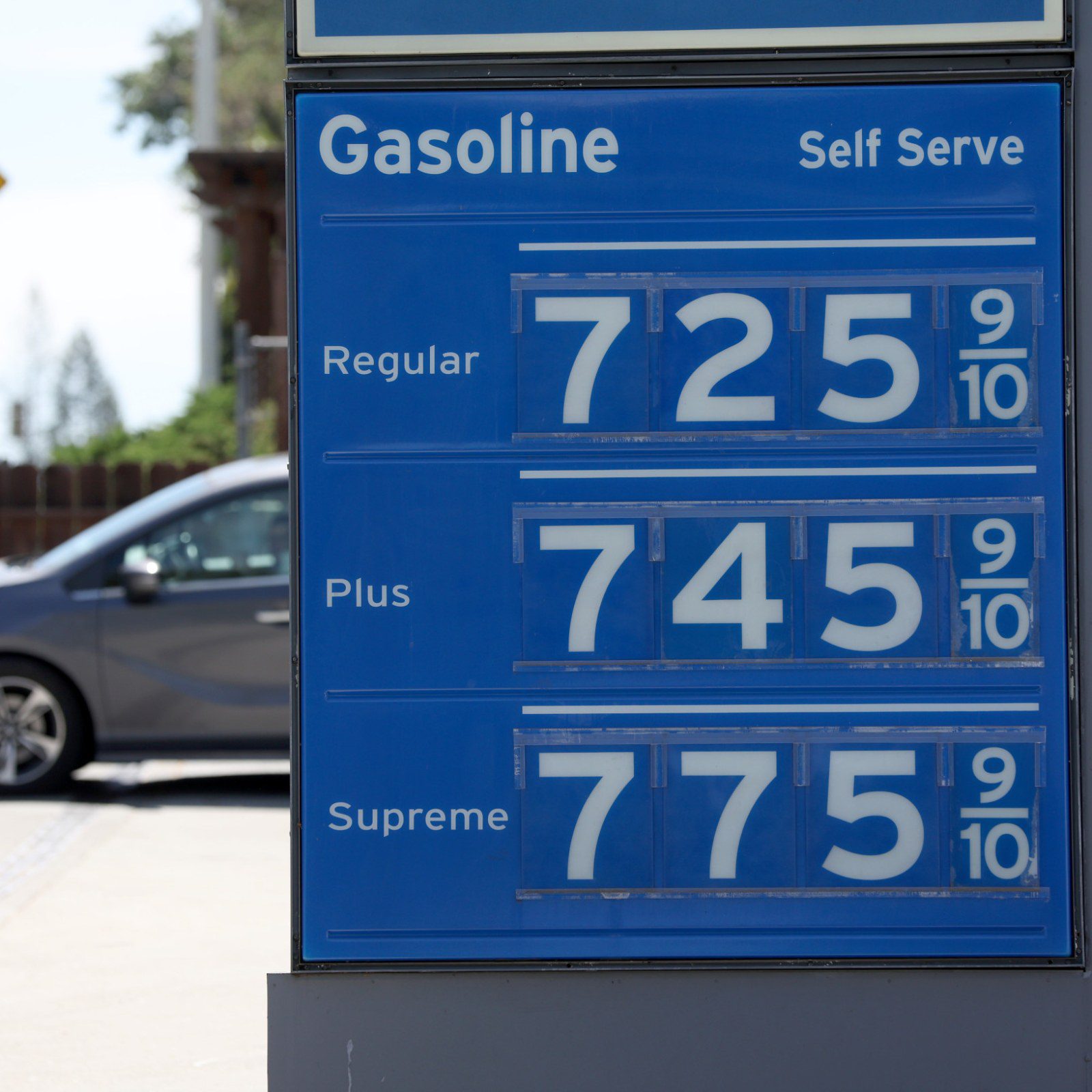
Gas prices are close to $3.50 per gallon in California and have passed the $3 mark in Arizona and nationally, according to AAA.
California and the West tend to have higher gas prices than other U.S. regions because of high demand, stretched refinery capacity and limited supplies of special gasoline blends required to reduce pollution in cities such as Los Angeles and Phoenix.
Barking at big oil
The Foundation for Taxpayers & Consumer Rights, a consumer watchdog group, wants California to treat gasoline like a utility, with more rules and oversight than other private businesses. That includes requiring modernization and expansion of refineries, and stipulating that greater reserve supplies be kept on hand.
Those rules will help increase refinery capacity and supplies and ease upward pressures on fuel prices, said Judy Dugan, the group’s research director.
“Our chief issue is getting supply under control. There is no room for even routing outages,” said Dugan, whose group is petitioning Gov. Arnold Schwarzenegger on the issue. The organization wants the California Legislature to hold a special session to draft new laws linking operating permits to refinery modernization and expansions. Oil companies that fail to comply should lose their operating permits or face civil and criminal penalties, Dugan said.
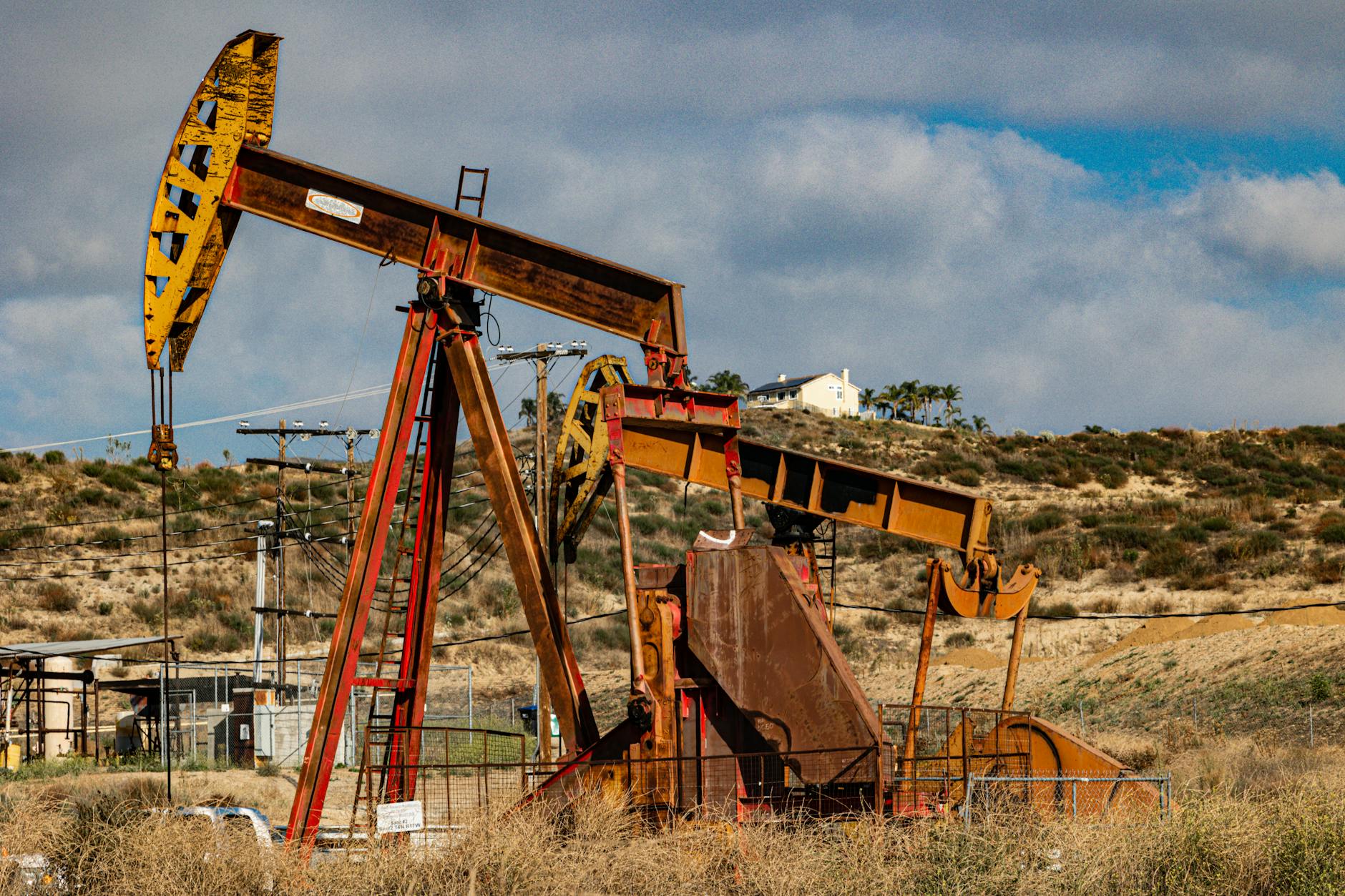
California has 21 refineries that pump out 2 million barrels of gasoline daily, according to the California Energy Commission. One barrel equals 42 gallons of gas.
Recent price spikes have been blamed on refinery problems within the U.S., not on the Iraq war or tensions in some foreign oil markets. Those refineries function at razor-thin capacity, so gas prices spike when operations are disrupted even minutely by maintenance, changeovers to seasonal blends of fuel, or natural or man-made problems.
Dugan said the oil companies can afford to make the upgrades and avoid blend changeover price jumps, but government regulators need to push them to take such steps.
“It should prevent all the logistical price spikes,” she said.
ExxonMobil, Chevron, BP, ConocoPhillips and Shell Oil are among the companies operating refineries in the Los Angeles and San Francisco areas. Exxon posted a $40 billion profit and Chevron had $17 billion in profits in 2006, according to Google Finance.
The American Petroleum Institute, an industry group representing oil companies, did not respond to requests for comment. But policy statements on the energy group’s Web site said refineries are producing gasoline at record-high capacities, and that rising fuel prices are linked to high demand in the U.S.,
supply issues and greater global demand. The group opposes price controls and new regulations that stifle competition and energy infrastructure and development, according to its Web site.
API Chief Economist John Felmy told a Congressional panel earlier this month that oil companies already are working on refinery expansions and upgrades.
Schwarzenegger has proposed an ambitious set of alternative energy initiatives for California, aimed at reducing carbon emissions and dependence on foreign fossil fuels including crude oil.
Dugan said Reagan-era deregulation of the industry is partly to blame for problems with outdated refineries over the past 30 years. She said some of that government oversight needs to return to help protect consumers, though her group does not favor price controls.
Action plans
U.S. Rep. John Shadegg, R-Ariz., agrees that refinery capacity is a major cause of high fuel prices. He wants the federal government to take actions that encourage refinery construction and expansions, as well as production of alternative fuels and vehicles.
“We have not built a new refinery in this country since 1979, and the refineries we do have are constantly running at capacity,” Shadegg said. “Fundamentally, our current system is overreliant on fossil fuels and leaves no room for error.”
A new refinery is slated to be built near Yuma, but the project faces dozens of legal, regulatory, environmental, logistical and financial obstacles. The latest challenge is a federal court ruling halting construction because of concerns of a nearby American Indian tribe.
Shadegg also said refinery supply problems are magnified at the pump by high global demand and sporadic shortages of crude oil.
Phoenix gas prices have skyrocketed from about $2.25 per gallon in December to about $3.10 now, according to AAA. The price jumps strain consumers and small businesses, diminish economic confidence and discretionary spending, and put inflationary pressure on other products and services.
Arizona Attorney General Terry Goddard said the California efforts could help ease price jumps in Arizona. Goddard worries, however, that gasoline is regulated too much when it comes to the number of different specialty blends required for cities such as Phoenix and Los Angeles, but not enough when it comes to supply matters and how prices are set.
Eighteen different clean-burning specialty blends are being used throughout the U.S., said Goddard, who would like to see that number reduced.
Goddard and Gov. Janet Napolitano also want to see more action at the federal level. Both support a state price gouging statute that has failed to gain muster at the Arizona Legislature. Neither has proposed other aggressive state regulations in the energy sector.
Democrats recently instituted a rollback of some tax breaks for that industry, and Republican legislators have proposed temporary or permanent cuts to the state gas tax in light of recent fuel price jumps.
Arizona Republican Party Chairman Randy Pullen is pressing for a decrease in the state’s gasoline taxes to help ease the inflationary burden on consumers and businesses.
“With gas prices skyrocketing and no end in sight, it’s high time Gov. Napolitano proposed a reduction in the state’s 19 cents-per-gallon tax,” said Pullen.
Arizona charges a gasoline tax of 18 cents per gallon plus an environmental tax of 1 cent per gallon on purchases.
Napolitano communications director Jeanine L’Ecuyer said reducing gasoline taxes is a bad idea.
“The Pullen plan is the pro-oil company plan — asking Arizona motorists to forgo road construction while oil companies gouge consumers,” she said.
“As the governor has pointed out many, many times, the gas tax in Arizona is 18 cents. If the tax is removed, there is absolutely nothing that would prevent sellers from raising prices by that 18 cents and beyond,” L’Ecuyer said. “The Pullen plan would cause the state to default on road construction bonds.”