Los Angeles, CA –California oil permitting surged dramatically in the first quarter of 2026 with 154 of 190 permits to drill new wells authorizing dangerous oil extraction techniques known as “Enhanced Oil Recovery” (EOR), according to quarterly analysis from Consumer Watchdog and FracTracker Alliance. No new permits for new EOR wells were approved in 2025, while 33 were approved in 2024.
EOR techniques use energy intensive cycles of steam injection or steam flooding to pry viscous oil out of the ground as oil production ebbs in the state. Injections of produced oil wastewater from EOR into aquifers not properly exempted from drinking-water protections can contaminate water necessary for future human consumption as climate change unfolds. Drilling injection wells next to old wells in aging, overdeveloped fields risk spills that can last for years as well as eruptions of oil, rock and mud that threaten the air, water, and oilfield workers.
“California just handed Kern County to the oil industry on a platter,” said Kyle Ferrar, Western Program Director for FracTracker Alliance. “Heavy oil extraction using enhanced recovery techniques is among the dirtiest drilling there is, and the state is approving it at a pace we haven’t seen in years.”
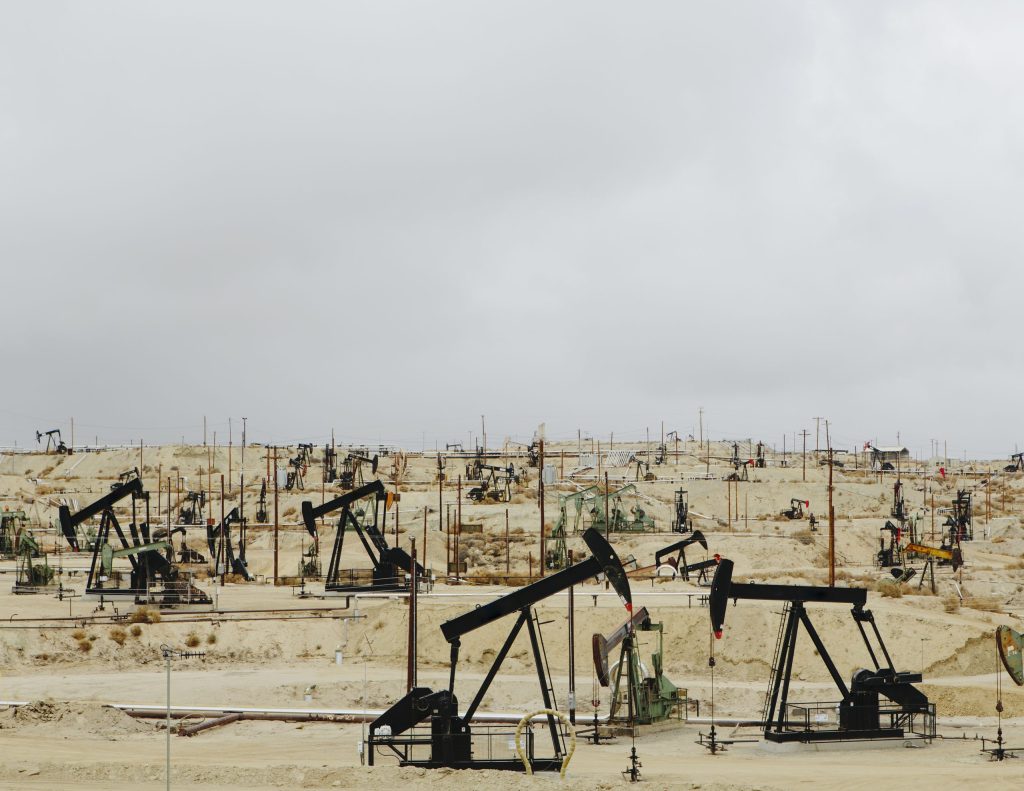
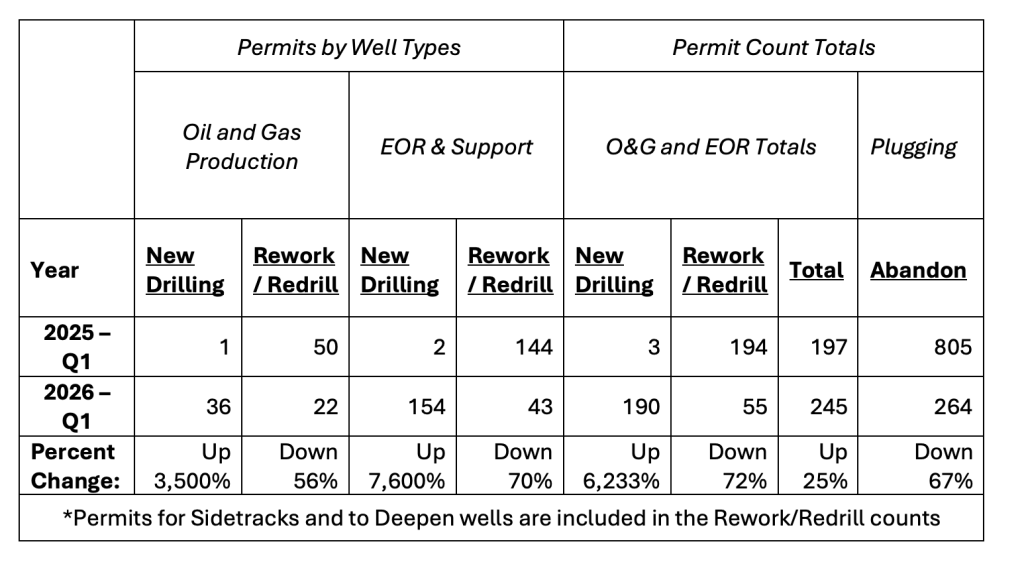
In the first quarter this year, oil regulators greenlighted a total of 245 new drilling permits–counting permits to redrill and rework existing wells. See Table 1. Counting through May 9th, 320 new drilling permits have been issued this year. All but one of the permits–for a gas storage well in Contra Costa County that is exempted from the state’s 3,200-foot health protection zone between drilling and communities–were issued to drill in Kern County where most of the state’s oil is produced.
The numbers are a sharp reversal of a steep decline in new drilling permits in the last few years. “Governor Newsom’s reversal on drilling, even as he claims national climate leadership, is blatantly hypocritical,” said Consumer Advocate Liza Tucker. SB 237 (Grayson), backed by Governor Newsom and passed last year, allows Kern County—the heart of California’s oil industry—to permit tens of thousands of new wells over the next decade under a streamlined local environmental review, bypassing the stricter, site-specific scrutiny of the California Environmental Quality Act (CEQA).
Table 1. First Quarter 2026 Permit Counts. The table compares the permit counts for the first quarter of 2026 with that of the previous year.
Analysis of CalGEM permits courtesy of FracTracker Alliance
For a visualization of permits in California, go to NewsomWellWatch.com, a website jointly operated by Consumer Watchdog and FracTracker Alliance.
Drilling Leaders
Chevron led all operators through May 9, accounting for 133 of the new drilling permits issued. Aera Energy LLC followed with 88, Sentinel Peak Resources California LLC with 41, and California Resources Production Corporation with 30. Chevron was approved the highest count of new drilling permits for EOR wells, making up 86% of their permits.
See Table 2.
Table 2. New drilling permit counts by operator from January 1 through May 9, 2026.
| Operator Name | New Drill Permit Count (1/1/26 – 5/9/26) | EOR Wells – New Drill Permit Count |
| Chevron U.S.A. Inc. | 133 | 115 |
| Aera Energy LLC | 88 | 31 |
| Sentinel Peak Resources California LLC | 41 | 40 |
| California Resources Production Corporation | 24 | 13 |
| Crimson Resource Management Corp. | 18 | 15 |
| California Resources Elk Hills, LLC | 6 | |
| Southern California Gas Company | 6 | |
| Valley Resources, LLC | 3 | |
| Pacific Gas and Electric Company | 1 | |
| Totals | 320 | 214 |
The Dirty Secret of 214 Permits
According to FracTracker Alliance, EOR carries a staggering environmental cost.
California’s EOR-derived oil has an extremely high carbon footprint (opens in new tab), potentially negating any climate argument for local production. EOR is also highly water-intensive, consuming billions of gallons of freshwater (opens in new tab)in a state plagued by drought.
The California Geologic Energy Management Division (CalGEM) and State Water Board are in the process of expanding an “aquifer exemption” (opens in new tab) at the Kern River Oil Field from protected status under the federal Safe Drinking Water Act. Chevron primarily owns and operates the field, and the exemption would allow expansion of EOR while further contaminating a potential future source of drinking water.
Drilling new wells to extract dirty oil is economically viable only because of favorable permitting and lack of bonding up front to ensure wells are plugged at the end of their economic lives (opens in new tab). Most of the oil produced in California is considered heavy crude. Wells that produce heavy crude are specifically exempt from leak detection and repair requirements (opens in new tab), meaning they can vent methane and air toxics without recourse.
“More permits without stronger protections isn’t progress, it is an acceleration of the same health crisis of illnesses from asthma to cancer we have been documenting for years,” said Cesar Aguirre, Associate Director at Central California Environmental Justice Network based in Fresno that works extensively in Kern County.
“California’s approval of 245 oil and gas permits in the first quarter of 2026 alone–154 of them for heavy oil extraction in Kern County–is more than the state issued over the previous two years combined. These heavy oil operations are explicitly exempt from the state’s leak detection and repair requirements, meaning that most of these newly permitted wells face little to no enforceable emissions oversight.”
“The San Joaquin Valley oil basin in Kern County exhibits some of the highest methane leakage and carbon intensity rates in the world, largely due to energy-intensive thermal extraction methods,” said Ferrar. “If we’re going to drill into anything, it should be the earth’s heat for geothermal energy — not for more dirty California crude whose extraction demands vast quantities of potentially potable water. It is time to end the use of EOR entirely.”