By Ashley Zavala
SACRAMENTO, Calif. — California lawmakers on Saturday are set to debate a bunch of proposals that attempt to address the cost of gas and electricity in the state while facing pushback from nearly every side of the issue.
In a year in which Democratic legislative leaders vowed to focus on addressing affordability issues, they ended up waiting until the final days of the legislative session to come up with a cohesive plan. The final day of California’s nine-month lawmaking session was scheduled for Friday. Leaders waived rules so they could vote on the proposals on Saturday morning.
Some of the proposals include legislation that responds to California’s two anticipated oil refinery closures by, among many things, allowing for more oil production in well established oil fields in Kern County (opens in new tab). The refinery closures represent a nearly 20% loss of refinery capacity, a situation that threatens to significantly raise gas prices in the state.
The Western States Petroleum Association sent a letter to state leaders stating while they support the effort for more oil production, the legislation includes other details they oppose. That includes proposals they say would restrict offshore pipeline permitting, while requiring the hydrotesting of pipelines and a new alternative fuel blend.
Another proposal lawmakers will consider is an extension of California’s greenhouse gas emissions reduction program known as cap and trade, which requires companies that emit carbon into the air to limit their emissions or buy credits to pollute. When those companies don’t need the credits, they can sell or trade them. The program allows oil and other greenhouse gas emitting industries to emit for free.
State funds collected through this system help pay for various environmental-related state projects. Newsom’s administration signaled it wanted to extend the program to 2045 to send a positive market signal, as funds for the program have reportedly worn thin.
Major business groups earlier this week said it was too late for lawmakers and the governor to try to work out an extension. After the proposals were released Wednesday, the groups did not appear to change their minds.
Other proposals replenish the state’s catastrophic wildfire liability fund, create a clean energy exchange and grid regionalization program with other west coast states and establish a new air pollution monitoring system.
“After months of hard work with the Legislature, we have agreed to historic reforms that will save money on your electric bills, stabilize gas supply, and slash toxic air pollution — all while fast-tracking California’s transition to a clean, green job-creating economy,” Gov. Newsom said in a statement.
Environmental justice groups blasted some of the legislation. A coalition of them released a joint statement that read in part:
“The Legislature is also set to approve massive CEQA exemptions for oil extraction in Kern County based on the oil industry’s word but with no guarantee that this will reduce gas prices or ensure stable fuel supply. Once again, these bills continue to make EJ communities into sacrifice zones for the benefit of industry profit. We are disappointed by the status of these bills and demand that the Legislature and Governor Newsom do more to protect the most vulnerable communities in California.”
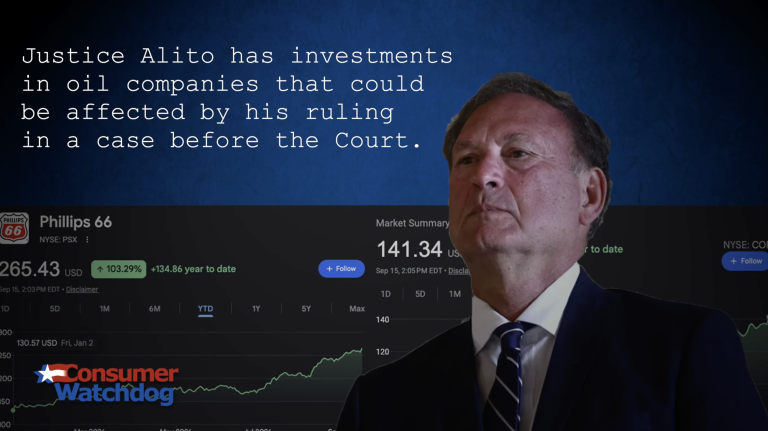
Consumer Watchdog also criticized the effort.
“The Big Three – Governor Newsom, Senator Pro Tem McGuire and Assembly Speaker Robert Rivas — celebrated their end of the session deal for “Landmark Clean Energy, Climate and Affordability Solutions” with a headline that declared, “California is delivering real and lasting energy savings for families, workers and businesses. It’s a load of horse poop,” said Jamie Court in a statement. “The truth is 90% of the “solutions” will drive up costs for gasoline and electricity.”
Here are the bills lawmakers will debate Saturday:
SB 237 – Oil industry changes, approval for more oil production in Kern County
SB 352 – An air pollution monitoring program that environmental justice groups requested
SB 254 – An $18 billion replenishment of the state’s wildfire liability fund, which allows investor-owned utility companies in California to withdraw money from it when they are held responsible for catastrophic wildfires. The fund, which was established in 2019, is split between the utility companies and ratepayers and is expected to significantly be depleted following the Eaton fire.
AB 825 – A proposal to regionalize California’s electricity grid
SB 840 and AB 1207 – Cap and trade extension and changes to how program money is used.
Lawmakers are expected to gavel in at 9am Saturday morning to begin the debates