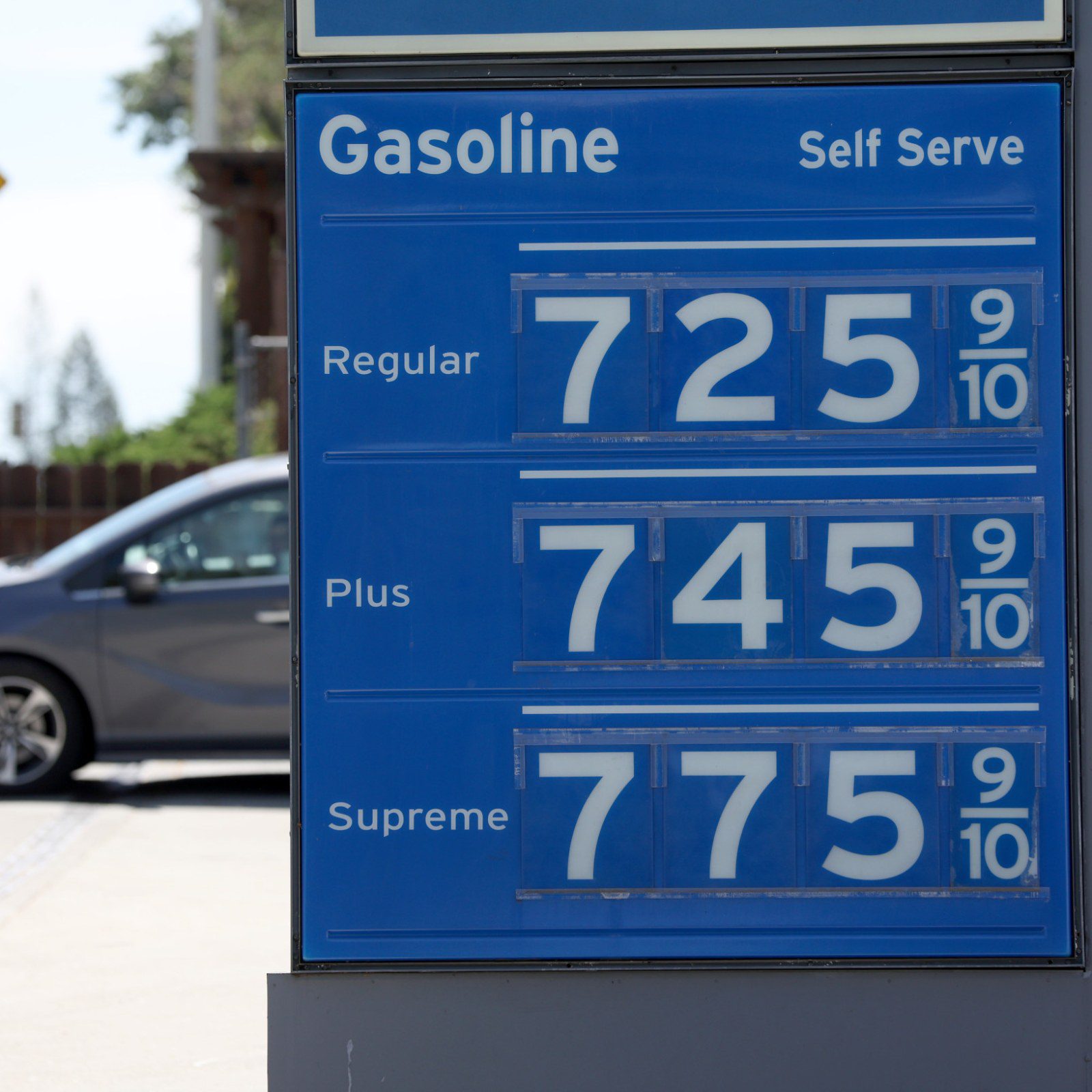
A new report calls into question gasoline price spikes in California this year, arguing costs outpaced the traditional supply-and-demand model and insinuating market manipulation on the part of oil refineries.
The report, released Thursday by Oregon consultant group McCullough Research, tracked nitrous oxide levels – chemicals released during normal refinery operations – in the air near refineries. Researchers found that levels were normal during times that refineries reportedly were offline due to power outages, fires or other production interruptions.
Public advocacy group Consumer Watchdog is calling for a criminal investigation by the state attorney general into whether oil companies purposely misrepresented their production in order to increase gas prices and obtain windfall profits. The group also seeks to block Tesoro Corp.'s acquisition of BP's Carson refinery.
"Oil companies and forces close to them created the perception that gasoline supplies in the state were super tight as a result of glitches in the refinery system," said Consumer Watchdog spokeswoman Liza Tucker.
At issue are gas price spikes on the West Coast in May and October following a Feb. 18 fire at BP's Cherry Point refinery in Washington and an Aug. 6 fire at Chevron's refinery in Richmond, Calif. Media reports from industry experts attributed resulting price increases to weeks-long shutdowns following the fires. But the McCullough report found that nitrous oxide levels were normal throughout the reported Richmond plant shutdown, as well as during the Cherry Point shutdown.
Nitrous oxide, the report explains, "is a byproduct of the production process. When units are off-line, no chemical reactions are taking place and no emissions result."
The report also alleges that in May, at a time when Shell's Martinez, Calif., plant was reported to be down for maintenance for two weeks, it appears to have been making gasoline for at least half that time, according to McClatchy Newspapers. That conclusion is reached from state environmental documents showing nitrogen oxide emissions had returned to normal at the refinery a full week before it was reported to have come back on line.
The research also concludes that gasoline inventories actually were building in May during a time in which West Coast motorists paid more per gallon than the national average, the McClatchy report said.
Tupper Hull, a spokesman for the Western States Petroleum Association trade group, said the report does not show manipulation of the market. He added that the presence of emissions does not mean a refinery was producing fuel.